






3D-Printed Scaffolds Reconstruct Craniofacial Defects
|
By HospiMedica International staff writers Posted on 03 Apr 2018 |


|
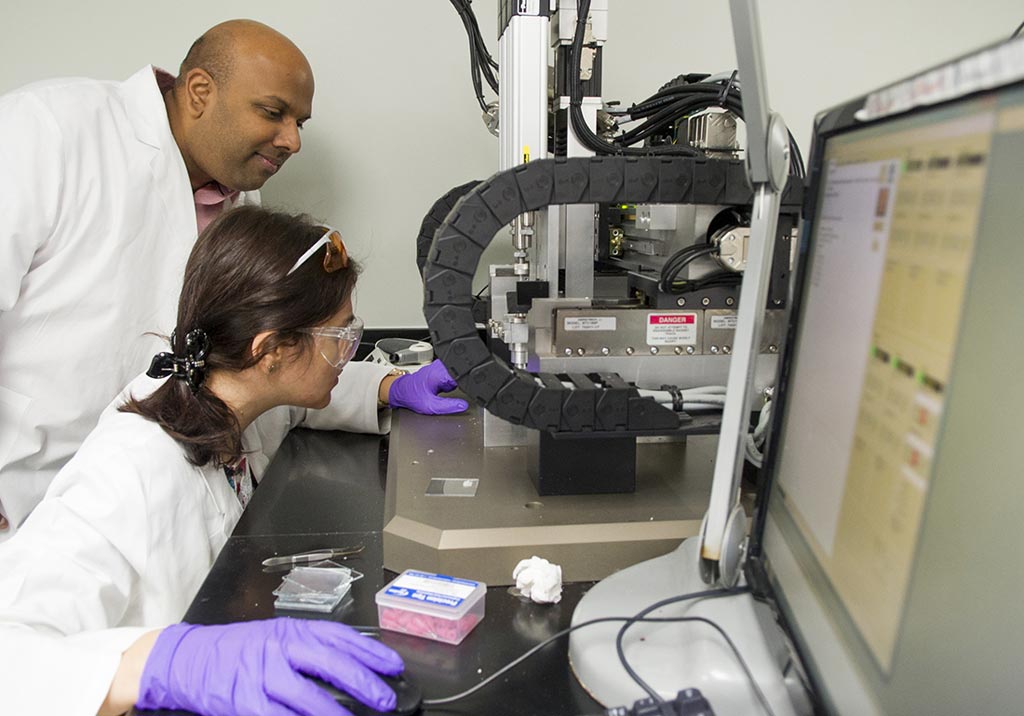
Image: Dr. Venu Varanasi and Research Assistant Tugba Cebe set the coordinates for the 3D printer (Photo courtesy of TAMU).
In-situ three-dimensional (3D) printing of osteogenic (bone regenerating) scaffolds can be used for the proper and rapid healing of bone fractures, claims a new study.
Developed by researchers at Texas A&M University (TAMU; College Station, TX, USA), the University of Texas (Arlington, USA), and other institutions, the substrate ink for the biosilica-biopolymer scaffold was prepared by mixing Laponite (Lp) with methacrylated gelatin (MAG); sucrose was used to increase viscosity and reduce gelation of the printing ink. During additive printing, crosslinking was initiated by ultra-violet (UV) light at the tip of the printer nozzle and, and the scaffolds were 3D printed in-situ, directly into calvaria bone defects using varied Laponite concentration so as to determine optimal bone density and chemical structure.
The scaffolds were fabricated into a mesh design, with dimensions matching that of formed defects; after four weeks, cranial bone samples were extracted. Evaluation by micro-CT showed that nearly 55% of the bone defect was healed for higher Lp- rich-MAG scaffolds, whereas empty control defects only had 11% of the defect filled with bone after four weeks. Histological staining showed that the scaffolds recruited osteoblasts and blood and growth factors into their structure to regenerate the intra-bony layers needed to initiate the healing process. The study was presented at the International & American Associations for Dental Research annual meeting, held during March 2018 in Fort Lauderdale (FL, USA).
“The results showed that 3D in-situ printing of bone regenerating scaffolds did improve the delivery of regenerative and reconstructive biomedical devices for the proper and rapid healing of bone fractures,” said senior author and study presenter Venu Varanasi, PhD, of TAMU. “This provides an advantage in that cells from within the initial hematoma become incorporated into the scaffold structure, thus, giving the operator flexibility to use the printed scaffold as a structural support that stimulates healing.”
“The gold standard for reconstruction of craniofacial defects involves carving of the cranial bone, hip bone, or the leg bone to recreate the missing structures. This is technically impossible for large facial defects,” said maxillofacial surgeon Likith Reddy, DDS, MD, director of residency training at the TAMU School of Dentistry. “If the technology works as anticipated, it will revolutionize the reconstruction of such complex three-dimensional structures. Reconstruction of such complex facial bony defects would become less of an art and more of a science.”
Severe traumatic injuries to the cranium have been challenging to heal due to the large missing bone volume. Typically, metal or plastic implants are used. But, these implants can take a long time to be customized for fit and often take a longer than desired time to support bone fixation. This can often lead to multiple revision surgeries if the defect is not properly healed. Moreover, the tissue that adjoins the implant can improperly heal.
Related Links:
Texas A&M University
University of Texas






Developed by researchers at Texas A&M University (TAMU; College Station, TX, USA), the University of Texas (Arlington, USA), and other institutions, the substrate ink for the biosilica-biopolymer scaffold was prepared by mixing Laponite (Lp) with methacrylated gelatin (MAG); sucrose was used to increase viscosity and reduce gelation of the printing ink. During additive printing, crosslinking was initiated by ultra-violet (UV) light at the tip of the printer nozzle and, and the scaffolds were 3D printed in-situ, directly into calvaria bone defects using varied Laponite concentration so as to determine optimal bone density and chemical structure.
The scaffolds were fabricated into a mesh design, with dimensions matching that of formed defects; after four weeks, cranial bone samples were extracted. Evaluation by micro-CT showed that nearly 55% of the bone defect was healed for higher Lp- rich-MAG scaffolds, whereas empty control defects only had 11% of the defect filled with bone after four weeks. Histological staining showed that the scaffolds recruited osteoblasts and blood and growth factors into their structure to regenerate the intra-bony layers needed to initiate the healing process. The study was presented at the International & American Associations for Dental Research annual meeting, held during March 2018 in Fort Lauderdale (FL, USA).
“The results showed that 3D in-situ printing of bone regenerating scaffolds did improve the delivery of regenerative and reconstructive biomedical devices for the proper and rapid healing of bone fractures,” said senior author and study presenter Venu Varanasi, PhD, of TAMU. “This provides an advantage in that cells from within the initial hematoma become incorporated into the scaffold structure, thus, giving the operator flexibility to use the printed scaffold as a structural support that stimulates healing.”
“The gold standard for reconstruction of craniofacial defects involves carving of the cranial bone, hip bone, or the leg bone to recreate the missing structures. This is technically impossible for large facial defects,” said maxillofacial surgeon Likith Reddy, DDS, MD, director of residency training at the TAMU School of Dentistry. “If the technology works as anticipated, it will revolutionize the reconstruction of such complex three-dimensional structures. Reconstruction of such complex facial bony defects would become less of an art and more of a science.”
Severe traumatic injuries to the cranium have been challenging to heal due to the large missing bone volume. Typically, metal or plastic implants are used. But, these implants can take a long time to be customized for fit and often take a longer than desired time to support bone fixation. This can often lead to multiple revision surgeries if the defect is not properly healed. Moreover, the tissue that adjoins the implant can improperly heal.
Related Links:
Texas A&M University
University of Texas

New
Gold Member
Handheld Blood Glucose Analyzer
STAT-Site
New
Wound Irrigation Solution
Prontosan®
New
Resorbable Bovine Collagen Membrane
GenDerm
Channels
Artificial Intelligence
view channel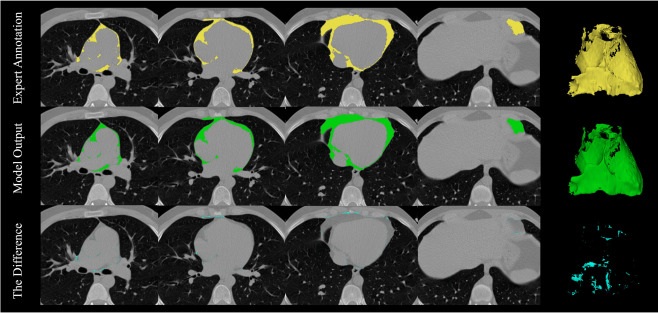
AI Analysis of Pericardial Fat Refines Long-Term Heart Disease Risk
Accurately identifying long-term cardiovascular disease risk in asymptomatic adults remains challenging for clinicians. Missed or underestimated risk delays preventive therapy and increases the chance... Read more
Machine Learning Approach Enhances Liver Cancer Risk Stratification
Hepatocellular carcinoma, the most common form of primary liver cancer, is often detected late despite targeted surveillance programs. Current screening guidelines emphasize patients with known cirrhosis,... Read more

Critical Care
view channel
Noninvasive Monitoring Device Enables Earlier Intervention in Heart Failure
Hospitalizations for heart failure with preserved ejection fraction (HFpEF) remain common because lung congestion often worsens before symptoms prompt treatment changes. Missed early decompensation... Read more
Automated IV Labeling Solution Improves Infusion Safety and Efficiency
Medication administration in high-acuity settings is often complicated by multiple concurrent infusions, making accurate line identification essential. In a 10-hospital intensive care unit study, 60% of... Read more
Surgical Techniques
view channel
Ultrasound Technology Aims to Replace Invasive BPH Procedures
Benign prostatic hyperplasia (BPH) is a frequent cause of lower urinary tract symptoms in aging men and often requires invasive procedures or prolonged recovery. With prevalence expected to rise as populations... Read more
Continuous Monitoring with Wearables Enhances Postoperative Patient Safety
Postoperative hypoxemia on general surgical wards is common and often missed by intermittent vital sign checks. Undetected low oxygen levels can delay recovery and raise the risk of complications that... Read more
Patient Care
view channel
Wearable Sleep Data Predict Adherence to Pulmonary Rehabilitation
Chronic obstructive pulmonary disease (COPD) is a long-term lung disorder that makes breathing difficult and often disturbs sleep, reducing energy for daily activities. Limited engagement in pulmonary... Read more
Revolutionary Automatic IV-Line Flushing Device to Enhance Infusion Care
More than 80% of in-hospital patients receive intravenous (IV) therapy. Every dose of IV medicine delivered in a small volume (<250 mL) infusion bag should be followed by subsequent flushing to ensure... Read more


Business
view channel
GE HealthCare Leads Major European Initiative to Advance Cardio-Oncology Care
Cardiovascular complications are increasingly recognized among people undergoing or recovering from cancer treatment, driven by pre‑existing disease and the cardiotoxic effects of chemotherapy, radiotherapy,... Read more

