






Excessive Oxygen Increases Mortality in Severely Ill Patients
|
By HospiMedica International staff writers Posted on 09 May 2018 |


|
A new review suggests that supplemental oxygen, when given too liberally to acutely ill adult patients, increases the risk of death without providing added benefit.
Researchers at McMaster University (Hamilton, ON, Canada) and St. Joseph's Healthcare (St. Joe’s; Hamilton, Canada) searched electronic academic databases from inception through October 2017 for randomized controlled trials that compared liberal and conservative oxygen therapy protocols and death rates, as well as their impact on disability, infection, and hospital length of stay. A total of 25 studies encompassing 16,037 adult patients with sepsis, stoke, trauma, emergency surgery, heart attack, or cardiac arrest were identified.
The results revealed that compared to a conservative oxygen strategy, a liberal oxygen strategy--defined as a median baseline peripheral oxygen saturation (SpO2) of 96%--increased mortality by an average of 21%, signifying an additional death for every 71 patients treated with a liberal oxygen strategy. Further analyses suggested that the more supplemental oxygen patients were given, the higher their risk was for death, but the incidence of other conditions, such as infections or length of hospital stay, were similar between the two groups. The study was published on April 28, 2018, in The Lancet.
“Patients are frequently given supplemental oxygen and at excessive levels. Our results provide much-needed clarification by showing, with high-quality evidence, that administering too much supplemental oxygen increases mortality among a broad range of acute illnesses,” said lead author Derek Chu, MD, of McMaster University. “A simple change to current practice, being more moderate and cautious with how much oxygen is administered to acutely unwell patients, could save lives.”
The use of oxygen in medicine became common around 1917, and is believed to be the most common treatment given in hospitals in the developed world. It can be delivered by a nasal cannula, facemask, or inside a hyperbaric chamber. In most conditions a SpO2 saturation of 94–98% is recommended, while those at risk of carbon dioxide (Co2) retention saturations of 88–92% are preferred, and in those with carbon monoxide (CO) toxicity or cardiac arrest they should be as high as possible. Air is typically 21% oxygen by volume, while oxygen therapy increases this by some amount up to 100%.
Related Links:
McMaster University
St. Joseph's Healthcare






Researchers at McMaster University (Hamilton, ON, Canada) and St. Joseph's Healthcare (St. Joe’s; Hamilton, Canada) searched electronic academic databases from inception through October 2017 for randomized controlled trials that compared liberal and conservative oxygen therapy protocols and death rates, as well as their impact on disability, infection, and hospital length of stay. A total of 25 studies encompassing 16,037 adult patients with sepsis, stoke, trauma, emergency surgery, heart attack, or cardiac arrest were identified.
The results revealed that compared to a conservative oxygen strategy, a liberal oxygen strategy--defined as a median baseline peripheral oxygen saturation (SpO2) of 96%--increased mortality by an average of 21%, signifying an additional death for every 71 patients treated with a liberal oxygen strategy. Further analyses suggested that the more supplemental oxygen patients were given, the higher their risk was for death, but the incidence of other conditions, such as infections or length of hospital stay, were similar between the two groups. The study was published on April 28, 2018, in The Lancet.
“Patients are frequently given supplemental oxygen and at excessive levels. Our results provide much-needed clarification by showing, with high-quality evidence, that administering too much supplemental oxygen increases mortality among a broad range of acute illnesses,” said lead author Derek Chu, MD, of McMaster University. “A simple change to current practice, being more moderate and cautious with how much oxygen is administered to acutely unwell patients, could save lives.”
The use of oxygen in medicine became common around 1917, and is believed to be the most common treatment given in hospitals in the developed world. It can be delivered by a nasal cannula, facemask, or inside a hyperbaric chamber. In most conditions a SpO2 saturation of 94–98% is recommended, while those at risk of carbon dioxide (Co2) retention saturations of 88–92% are preferred, and in those with carbon monoxide (CO) toxicity or cardiac arrest they should be as high as possible. Air is typically 21% oxygen by volume, while oxygen therapy increases this by some amount up to 100%.
Related Links:
McMaster University
St. Joseph's Healthcare

New
Gold Member
Handheld Blood Glucose Analyzer
STAT-Site
New
POC Respiratory/Sore Throat Test
BIOFIRE SPOTFIRE (R/ST) Panel
New
Desk Aneroid Sphyg
Diagnostix 750D+
Latest Critical Care News
- Eye Imaging AI Identifies Elevated Cardiovascular Risk
- Noninvasive Monitoring Device Enables Earlier Intervention in Heart Failure
- Automated IV Labeling Solution Improves Infusion Safety and Efficiency
- First-Of-Its-Kind AI Tool Detects Pulmonary Hypertension from Standard ECGs
- 4D Digital Twin Heart Model Improves CRT Outcomes
- AI Turns Glucose Data Into Actionable Insights for Diabetes Care
- Microscale Wireless Implant Tracks Brain Activity Over Time
- Smart Mask Delivers Continuous, Battery-Free Breath Monitoring
- Routine Blood Pressure Readings May Identify Risk of Future Cognitive Decline
- CGM-Based Algorithm Enhances Insulin Dose Adjustment in Type 2 Diabetes
- Fish Scale–Based Implants Offer New Approach to Corneal Repair
- Dual-Function Wound Patch Combines Infection Sensing and Treatment
- Smartwatch Signals and Blood Tests Team Up for Early Warning on Insulin Resistance
- Smart Fabric Technology Aims to Prevent Pressure Injuries in Hospital Care
- Standardized Treatment Algorithm Improves Blood Pressure Control
- Combined Infection Control Strategy Limits Drug-Resistant Outbreak in NICU
Channels
Artificial Intelligence
view channel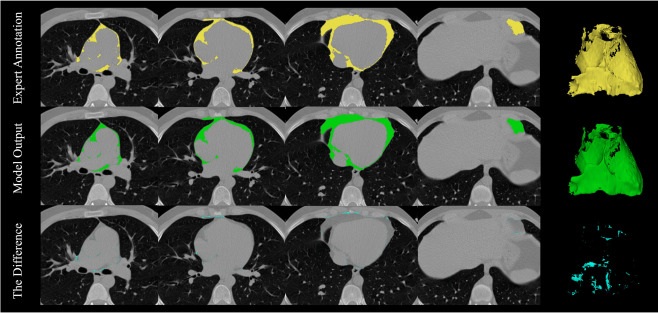
AI Analysis of Pericardial Fat Refines Long-Term Heart Disease Risk
Accurately identifying long-term cardiovascular disease risk in asymptomatic adults remains challenging for clinicians. Missed or underestimated risk delays preventive therapy and increases the chance... Read more
Machine Learning Approach Enhances Liver Cancer Risk Stratification
Hepatocellular carcinoma, the most common form of primary liver cancer, is often detected late despite targeted surveillance programs. Current screening guidelines emphasize patients with known cirrhosis,... Read more

Surgical Techniques
view channel
Fiber-Form Bone Graft Expands Intraoperative Options for Spinal Fusion
Spinal and orthopedic fusion procedures often require bone graft materials that handle predictably and support bone formation. Surgeons face added complexity in difficult anatomy and challenging fusion environments.... Read more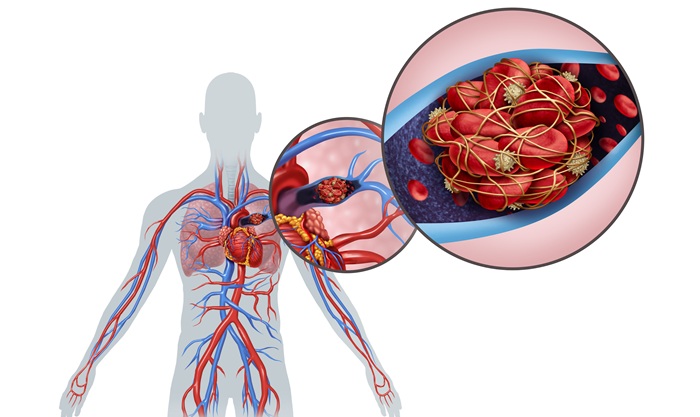
Ultrasound‑Aided Catheter Treatment Cuts Early Collapse in Pulmonary Embolism
Acute pulmonary embolism can cause rapid hemodynamic deterioration and early death in hospitalized and emergency patients. Systemic thrombolysis can dissolve clots but is limited by a high risk of major... Read more

Patient Care
view channel
Wearable Sleep Data Predict Adherence to Pulmonary Rehabilitation
Chronic obstructive pulmonary disease (COPD) is a long-term lung disorder that makes breathing difficult and often disturbs sleep, reducing energy for daily activities. Limited engagement in pulmonary... Read more
Revolutionary Automatic IV-Line Flushing Device to Enhance Infusion Care
More than 80% of in-hospital patients receive intravenous (IV) therapy. Every dose of IV medicine delivered in a small volume (<250 mL) infusion bag should be followed by subsequent flushing to ensure... Read more

Health IT
view channel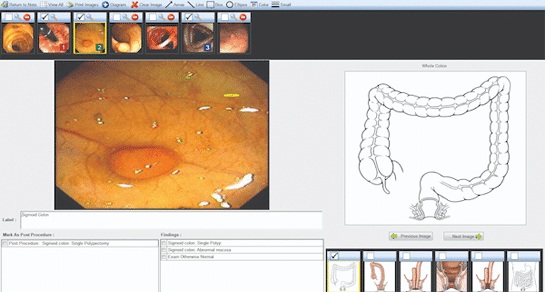
Voice-Driven AI System Enables Structured GI Procedure Documentation
Documentation during gastrointestinal (GI) procedures often competes with real-time clinical decision-making and imposes a significant cognitive burden on physicians. Manual data entry and post-procedure... Read more
EMR-Based Tool Predicts Graft Failure After Kidney Transplant
Kidney transplantation offers patients with end-stage kidney disease longer survival and better quality of life than dialysis, yet graft failure remains a major challenge. Although a successful transplant... Read more
Printable Molecule-Selective Nanoparticles Enable Mass Production of Wearable Biosensors
The future of medicine is likely to focus on the personalization of healthcare—understanding exactly what an individual requires and delivering the appropriate combination of nutrients, metabolites, and... Read more

Business
view channel
GE HealthCare Leads Major European Initiative to Advance Cardio-Oncology Care
Cardiovascular complications are increasingly recognized among people undergoing or recovering from cancer treatment, driven by pre‑existing disease and the cardiotoxic effects of chemotherapy, radiotherapy,... Read more

