






Advantech Launches Healthcare Infotainment Terminals
|
By HospiMedica International staff writers Posted on 20 Jun 2018 |


|
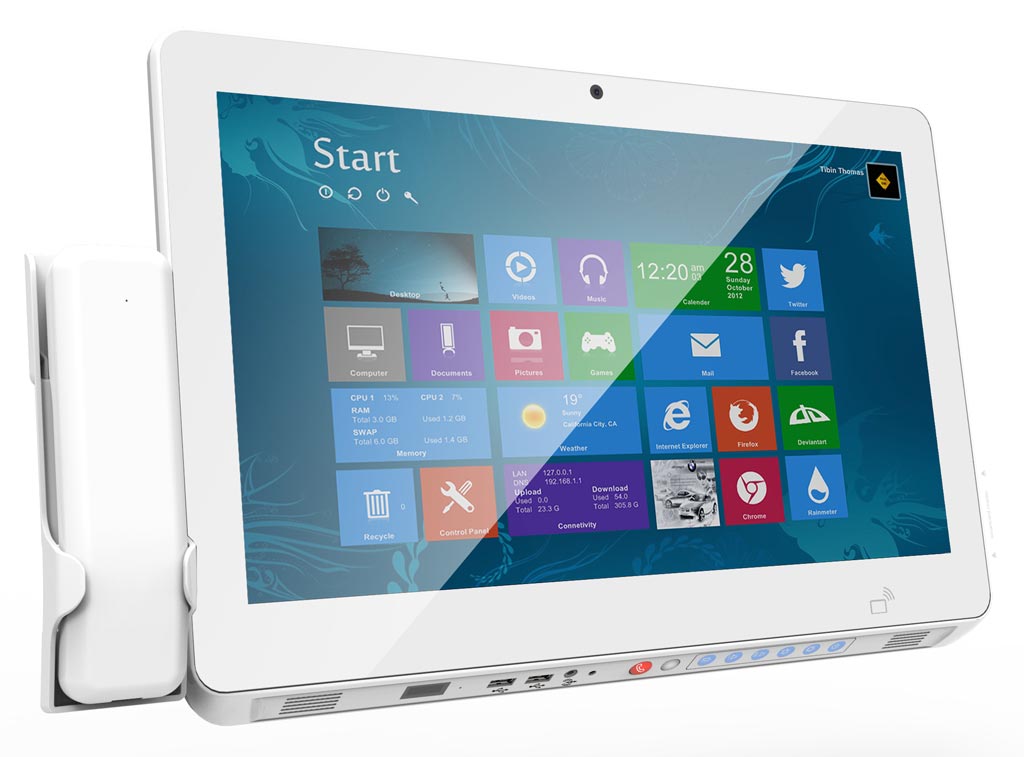
Image: The HIT-W183/W153 terminals are designed for a wide range of uses within the hospital (Photo courtesy of Advantech).
Advantech Co., Ltd. (Taipei, Taiwan, R.O.C), a provider of medical computing systems and services, has launched the HIT-W183 and HIT-W153 healthcare infotainment terminals, which are specifically designed for a wide range of hospital applications.
The HIT-W183/W153 terminals feature an Intel N4200 processor, dual operating systems (Windows 10 IoT and Android 6.0.1), and an 18.5-inch/15.6-inch 16:9 widescreen display with projected capacitive (PCAP) 10-point touch control. They are also equipped with a 5MP camera, rear-access I/O that includes USB 2.0, USB 3.0, RJ12, RJ45, optional power-over-Ethernet (PoE) support (HIT-W153 only), and dual isolated Ethernet ports that enable separate Internet (patient use) and intranet (caregiver use) traffic for superior connectivity and data security. An IP65-rated true-flat front panel protects the devices against water and dust ingress and can be cleaned easily to ensure high hygiene and infection control.
The HIT-W183/W153 terminals are equipped with a red emergency call button and LED indicator that can be integrated with a hospital’s existing nurse call system to allow patients to request assistance or alert staff of any emergencies. They also feature a handset equipped with two microphones and noise cancellation technology to eliminate environmental noise and provide optimal sound quality during nursing assistance calls. Both the devices are compliant with EN 60601-1 and IEC 62368 medical and ITE certification standards, and feature front-facing function buttons built-in at a 60-degree angle for accessibility and easy operation. Their ultra-slim (43 mm) design allows the terminals to be easily mounted on walls, mobile carts, and bedside swing arms to serve as medical equipment control panels, nurse station terminals, pharmacy information systems, medical cart devices, and patient infotainment terminals. Their functionalities can be further expanded as per specific usage needs by integrating them with a smart card reader, RFID/NFC reader, and optional barcode scanner and TV tuner modules.
Healthcare staff can use the terminals to access medical records and hospital information systems, retrieve laboratory results, monitor patient vital signs, and document treatment observations. Meanwhile, patients can use the terminals to watch movies/TV, make phone calls, play games, surf the Internet, send emails, request nurse assistance, and manage the ward environment, such as adjust the bed height, lighting, and curtains. Advantech’s HIT-W183/W153 infotainment terminals provide a single solution that enables efficient provision of digital entertainment and clinical services at the point-of-care for improved service quality.





The HIT-W183/W153 terminals feature an Intel N4200 processor, dual operating systems (Windows 10 IoT and Android 6.0.1), and an 18.5-inch/15.6-inch 16:9 widescreen display with projected capacitive (PCAP) 10-point touch control. They are also equipped with a 5MP camera, rear-access I/O that includes USB 2.0, USB 3.0, RJ12, RJ45, optional power-over-Ethernet (PoE) support (HIT-W153 only), and dual isolated Ethernet ports that enable separate Internet (patient use) and intranet (caregiver use) traffic for superior connectivity and data security. An IP65-rated true-flat front panel protects the devices against water and dust ingress and can be cleaned easily to ensure high hygiene and infection control.
The HIT-W183/W153 terminals are equipped with a red emergency call button and LED indicator that can be integrated with a hospital’s existing nurse call system to allow patients to request assistance or alert staff of any emergencies. They also feature a handset equipped with two microphones and noise cancellation technology to eliminate environmental noise and provide optimal sound quality during nursing assistance calls. Both the devices are compliant with EN 60601-1 and IEC 62368 medical and ITE certification standards, and feature front-facing function buttons built-in at a 60-degree angle for accessibility and easy operation. Their ultra-slim (43 mm) design allows the terminals to be easily mounted on walls, mobile carts, and bedside swing arms to serve as medical equipment control panels, nurse station terminals, pharmacy information systems, medical cart devices, and patient infotainment terminals. Their functionalities can be further expanded as per specific usage needs by integrating them with a smart card reader, RFID/NFC reader, and optional barcode scanner and TV tuner modules.
Healthcare staff can use the terminals to access medical records and hospital information systems, retrieve laboratory results, monitor patient vital signs, and document treatment observations. Meanwhile, patients can use the terminals to watch movies/TV, make phone calls, play games, surf the Internet, send emails, request nurse assistance, and manage the ward environment, such as adjust the bed height, lighting, and curtains. Advantech’s HIT-W183/W153 infotainment terminals provide a single solution that enables efficient provision of digital entertainment and clinical services at the point-of-care for improved service quality.

Gold Member
SARS‑CoV‑2/Flu A/Flu B/RSV Sample-To-Answer Test
SARS‑CoV‑2/Flu A/Flu B/RSV Cartridge (CE-IVD)
New
Resorbable Bovine Collagen Membrane
GenDerm
New
Patient Preoperative Skin Preparation
BD ChloraPrep
Channels
Artificial Intelligence
view channel
AI Analysis of Pericardial Fat Refines Long-Term Heart Disease Risk
Accurately identifying long-term cardiovascular disease risk in asymptomatic adults remains challenging for clinicians. Missed or underestimated risk delays preventive therapy and increases the chance... Read more
Machine Learning Approach Enhances Liver Cancer Risk Stratification
Hepatocellular carcinoma, the most common form of primary liver cancer, is often detected late despite targeted surveillance programs. Current screening guidelines emphasize patients with known cirrhosis,... Read more

Critical Care
view channel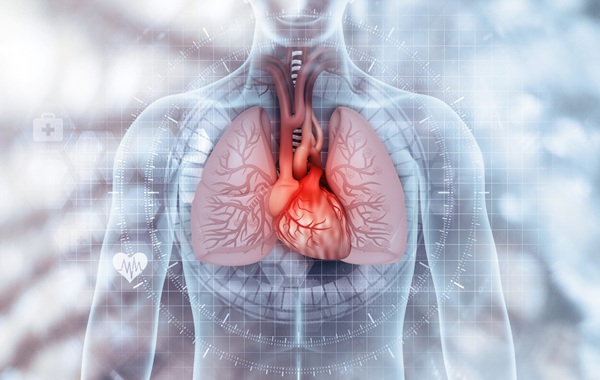
Noninvasive Monitoring Device Enables Earlier Intervention in Heart Failure
Hospitalizations for heart failure with preserved ejection fraction (HFpEF) remain common because lung congestion often worsens before symptoms prompt treatment changes. Missed early decompensation... Read more
Automated IV Labeling Solution Improves Infusion Safety and Efficiency
Medication administration in high-acuity settings is often complicated by multiple concurrent infusions, making accurate line identification essential. In a 10-hospital intensive care unit study, 60% of... Read more
Surgical Techniques
view channel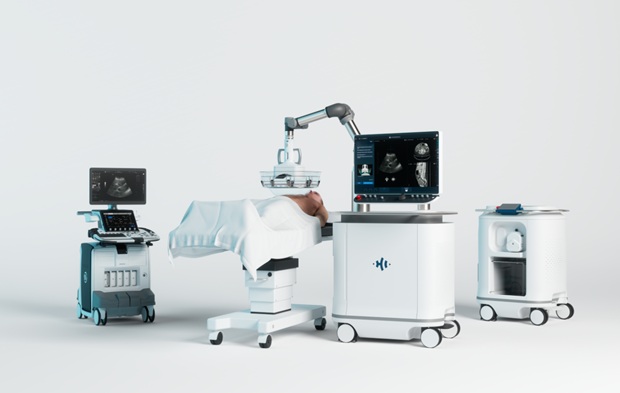
Ultrasound Technology Aims to Replace Invasive BPH Procedures
Benign prostatic hyperplasia (BPH) is a frequent cause of lower urinary tract symptoms in aging men and often requires invasive procedures or prolonged recovery. With prevalence expected to rise as populations... Read more
Continuous Monitoring with Wearables Enhances Postoperative Patient Safety
Postoperative hypoxemia on general surgical wards is common and often missed by intermittent vital sign checks. Undetected low oxygen levels can delay recovery and raise the risk of complications that... Read more
Patient Care
view channel
Wearable Sleep Data Predict Adherence to Pulmonary Rehabilitation
Chronic obstructive pulmonary disease (COPD) is a long-term lung disorder that makes breathing difficult and often disturbs sleep, reducing energy for daily activities. Limited engagement in pulmonary... Read more
Revolutionary Automatic IV-Line Flushing Device to Enhance Infusion Care
More than 80% of in-hospital patients receive intravenous (IV) therapy. Every dose of IV medicine delivered in a small volume (<250 mL) infusion bag should be followed by subsequent flushing to ensure... Read more

Health IT
view channel
EMR-Based Tool Predicts Graft Failure After Kidney Transplant
Kidney transplantation offers patients with end-stage kidney disease longer survival and better quality of life than dialysis, yet graft failure remains a major challenge. Although a successful transplant... Read more


