






Waveform-EHR Platform Expands Surveillance Capabilities
|
By HospiMedica International staff writers Posted on 26 Jul 2018 |


|
An innovative medical device integration (MDI) and real-time data analytics platform improves patient observation by adding data directly into the electronic health record (EHR).
The Bernoulli Health (Milford, CT, USA) One platform is a comprehensive solution that allows waveform-to-EHR automation of signals from varying brands and types of patient care devices, including physiologic monitors, ventilators, incubators, continuous renal replacement therapy (CRRT) systems, and perfusion equipment. The deployment spans multiple hospital units, including anesthesia procedure areas, pre- and post-operative beds, gastrointestinal, intensive care units, emergency department (ED), interventional radiology, and others.
Bernoulli One integrates both scheduled and on-demand patient electrocardiogram (ECG) waveform reports with clinical annotation directly into the patient's EHR record using existing hospital network infrastructure. Bernoulli One also pairs historical data from the EHR with real-time streaming data to identify early signs of patient deterioration, helping save patient lives as it detects fluctuating conditions and notifies clinicians of potential events. Bernoulli One uses a single system management controller that offers easy plug-and-play connectivity, integrated clinical mobility, and positive patient association.
“There is still much confusion about clinical surveillance applications in hospitals, which are often confused with patient monitoring, clinical decision support, and even artificial Intelligence technology,” said Janet Dillione, CEO of Bernoulli Health. “Once healthcare leaders have a better understanding of these technologies, they can make more informed decisions about which will work best in their clinical environments.”
MDI involves the establishment and maintenance of a connection through which data is transferred between a medical device, such as a patient monitor, and an information system as EHR. The term is used interchangeably with biomedical device connectivity or biomedical device integration. Eliminating the need for manual data entry provides many potential benefits, including faster and more frequent data updates, diminished human error, and improved workflow efficiency.
Related Links:
Bernoulli Health




The Bernoulli Health (Milford, CT, USA) One platform is a comprehensive solution that allows waveform-to-EHR automation of signals from varying brands and types of patient care devices, including physiologic monitors, ventilators, incubators, continuous renal replacement therapy (CRRT) systems, and perfusion equipment. The deployment spans multiple hospital units, including anesthesia procedure areas, pre- and post-operative beds, gastrointestinal, intensive care units, emergency department (ED), interventional radiology, and others.
Bernoulli One integrates both scheduled and on-demand patient electrocardiogram (ECG) waveform reports with clinical annotation directly into the patient's EHR record using existing hospital network infrastructure. Bernoulli One also pairs historical data from the EHR with real-time streaming data to identify early signs of patient deterioration, helping save patient lives as it detects fluctuating conditions and notifies clinicians of potential events. Bernoulli One uses a single system management controller that offers easy plug-and-play connectivity, integrated clinical mobility, and positive patient association.
“There is still much confusion about clinical surveillance applications in hospitals, which are often confused with patient monitoring, clinical decision support, and even artificial Intelligence technology,” said Janet Dillione, CEO of Bernoulli Health. “Once healthcare leaders have a better understanding of these technologies, they can make more informed decisions about which will work best in their clinical environments.”
MDI involves the establishment and maintenance of a connection through which data is transferred between a medical device, such as a patient monitor, and an information system as EHR. The term is used interchangeably with biomedical device connectivity or biomedical device integration. Eliminating the need for manual data entry provides many potential benefits, including faster and more frequent data updates, diminished human error, and improved workflow efficiency.
Related Links:
Bernoulli Health

New
Gold Member
Neonatal Heel Incision Device
Tenderfoot
New
Digital Radiography System (Ceiling Free)
Digix CF Series
New
Gas Analyzer
GE SAM
Latest Health IT News
- Voice-Driven AI System Enables Structured GI Procedure Documentation
- EMR-Based Tool Predicts Graft Failure After Kidney Transplant
- Printable Molecule-Selective Nanoparticles Enable Mass Production of Wearable Biosensors
- Smartwatches Could Detect Congestive Heart Failure
- Versatile Smart Patch Combines Health Monitoring and Drug Delivery
Channels
Artificial Intelligence
view channel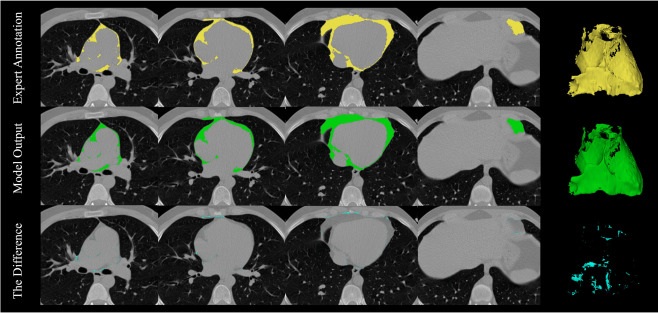
AI Analysis of Pericardial Fat Refines Long-Term Heart Disease Risk
Accurately identifying long-term cardiovascular disease risk in asymptomatic adults remains challenging for clinicians. Missed or underestimated risk delays preventive therapy and increases the chance... Read more
Machine Learning Approach Enhances Liver Cancer Risk Stratification
Hepatocellular carcinoma, the most common form of primary liver cancer, is often detected late despite targeted surveillance programs. Current screening guidelines emphasize patients with known cirrhosis,... Read more

Critical Care
view channel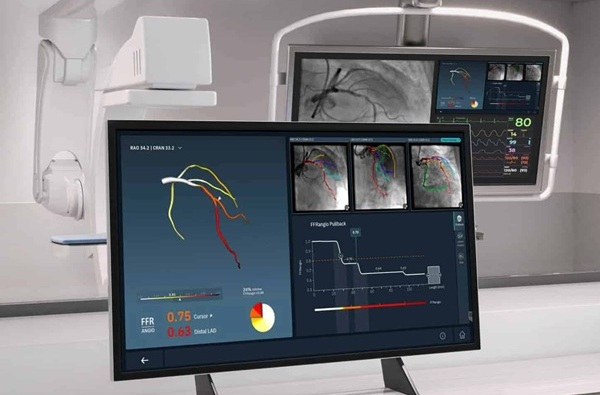
Angiography-Based FFR Approach Matches Gold Standard Results Without Wires
Accurately determining whether a coronary stenosis limits blood flow is essential to guide percutaneous coronary intervention, yet wire-based physiologic testing remains underused due to added procedural... Read more
Eye Imaging AI Identifies Elevated Cardiovascular Risk
Many adults at risk for atherosclerotic cardiovascular disease are not identified until they undergo formal primary care assessment. Delayed risk recognition can postpone initiation of statins and lifestyle... Read more

Surgical Techniques
view channel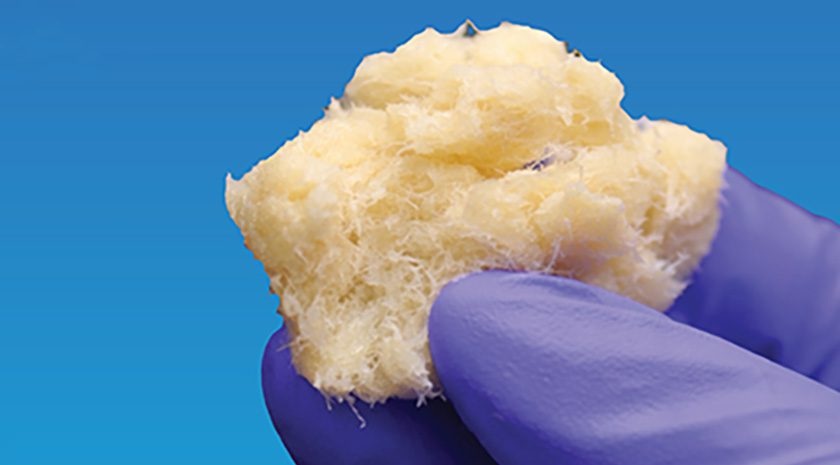
Fiber-Form Bone Graft Expands Intraoperative Options for Spinal Fusion
Spinal and orthopedic fusion procedures often require bone graft materials that handle predictably and support bone formation. Surgeons face added complexity in difficult anatomy and challenging fusion environments.... Read more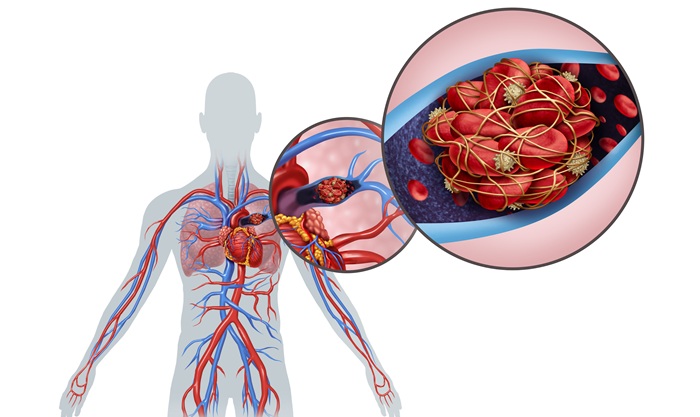
Ultrasound‑Aided Catheter Treatment Cuts Early Collapse in Pulmonary Embolism
Acute pulmonary embolism can cause rapid hemodynamic deterioration and early death in hospitalized and emergency patients. Systemic thrombolysis can dissolve clots but is limited by a high risk of major... Read more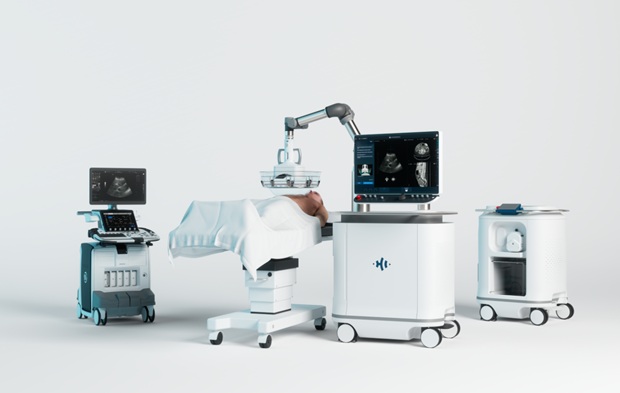

Patient Care
view channel
Wearable Sleep Data Predict Adherence to Pulmonary Rehabilitation
Chronic obstructive pulmonary disease (COPD) is a long-term lung disorder that makes breathing difficult and often disturbs sleep, reducing energy for daily activities. Limited engagement in pulmonary... Read more
Revolutionary Automatic IV-Line Flushing Device to Enhance Infusion Care
More than 80% of in-hospital patients receive intravenous (IV) therapy. Every dose of IV medicine delivered in a small volume (<250 mL) infusion bag should be followed by subsequent flushing to ensure... Read more


Business
view channel
GE HealthCare Leads Major European Initiative to Advance Cardio-Oncology Care
Cardiovascular complications are increasingly recognized among people undergoing or recovering from cancer treatment, driven by pre‑existing disease and the cardiotoxic effects of chemotherapy, radiotherapy,... Read more

