






Machine-Learning Algorithm Analyzes Images to Identify Schizophrenia Patients
|
By HospiMedica International staff writers Posted on 31 Jul 2018 |


|
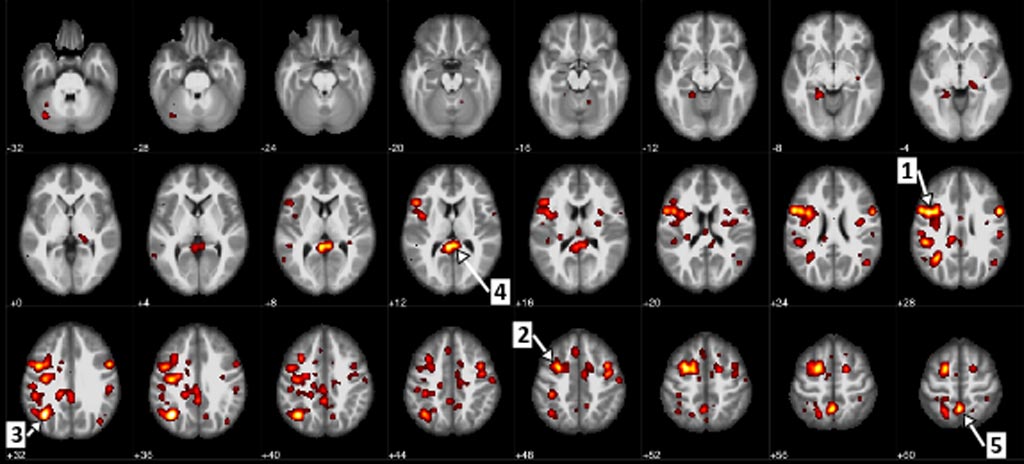
Image: Regions of the brain that showed a statistically significant difference between patients with schizophrenia and patients without it (Photo courtesy of the University of Alberta).
A team of researchers from the University of Alberta (Edmonton, Alberta, Canada) has developed a machine-learning algorithm to examine functional magnetic resonance imaging (fMRI) images for identifying patients suffering from schizophrenia and ascertaining if they would respond to treatment. In a study, the algorithm examined MRI images of both newly diagnosed, previously untreated schizophrenia patients and healthy subjects and successfully identified patients with schizophrenia at 78% accuracy. It also predicted whether or not a patient would respond positively to a specific antipsychotic treatment named risperidone with 82% accuracy.
Schizophrenia, a severe and disabling psychiatric disorder that comes with delusions, hallucinations and cognitive impairments, affects approximately one in 100 people at some point in their lives. Early diagnosis of schizophrenia and other mental disorders still remains a challenge, while clinicians face the difficult task of devising a personalized treatment strategy during the first visit with a patient. Currently, the treatment of schizophrenia is usually determined using a trial-and-error style. However, if a drug does not work properly, the patient can suffer prolonged symptoms and side effects, and miss the best time window to control and treat the disease.
The initial trial results of the machine-learning algorithm for the diagnosis and treatment of schizophrenia have been encouraging. However, further validations on large samples will be required and more refinement is needed to improve its accuracy before using it in a clinical environment. The researchers also expect to expand their work to include other mental illness such as major depressive and bipolar disorders.
"This is the first step, but ultimately we hope to find reliable biomarkers that can predict schizophrenia before the symptoms show up," said Bo Cao, an assistant professor of psychiatry at the University of Alberta, who led the research. "We also want to use machine learning to optimize a patient's treatment plan. It wouldn't replace the doctor. In the future, with the help of machine learning, if the doctor can select the best medicine or procedure for a specific patient at the first visit, it would be a good step forward."
Related Links:
University of Alberta





Schizophrenia, a severe and disabling psychiatric disorder that comes with delusions, hallucinations and cognitive impairments, affects approximately one in 100 people at some point in their lives. Early diagnosis of schizophrenia and other mental disorders still remains a challenge, while clinicians face the difficult task of devising a personalized treatment strategy during the first visit with a patient. Currently, the treatment of schizophrenia is usually determined using a trial-and-error style. However, if a drug does not work properly, the patient can suffer prolonged symptoms and side effects, and miss the best time window to control and treat the disease.
The initial trial results of the machine-learning algorithm for the diagnosis and treatment of schizophrenia have been encouraging. However, further validations on large samples will be required and more refinement is needed to improve its accuracy before using it in a clinical environment. The researchers also expect to expand their work to include other mental illness such as major depressive and bipolar disorders.
"This is the first step, but ultimately we hope to find reliable biomarkers that can predict schizophrenia before the symptoms show up," said Bo Cao, an assistant professor of psychiatry at the University of Alberta, who led the research. "We also want to use machine learning to optimize a patient's treatment plan. It wouldn't replace the doctor. In the future, with the help of machine learning, if the doctor can select the best medicine or procedure for a specific patient at the first visit, it would be a good step forward."
Related Links:
University of Alberta

New
Gold Member
Handheld Blood Glucose Analyzer
STAT-Site
New
Pediatric Mask
Respire SOFT
New
Medical-Grade Display
HL2316SHTB
Latest AI News
- AI Analysis of Pericardial Fat Refines Long-Term Heart Disease Risk
- Machine Learning Approach Enhances Liver Cancer Risk Stratification
- New AI Approach Monitors Brain Health Using Passive Wearable Data
- AI Tool Maps Early Risk Patterns in Bloodstream Infections
- AI Model Identifies Rare Endocrine Disorder from Hand Images
- AI Tool Promises to Reduce Length of Hospital Stays and Free Up Beds
Channels
Artificial Intelligence
view channel
AI Analysis of Pericardial Fat Refines Long-Term Heart Disease Risk
Accurately identifying long-term cardiovascular disease risk in asymptomatic adults remains challenging for clinicians. Missed or underestimated risk delays preventive therapy and increases the chance... Read more
Machine Learning Approach Enhances Liver Cancer Risk Stratification
Hepatocellular carcinoma, the most common form of primary liver cancer, is often detected late despite targeted surveillance programs. Current screening guidelines emphasize patients with known cirrhosis,... Read more

Critical Care
view channel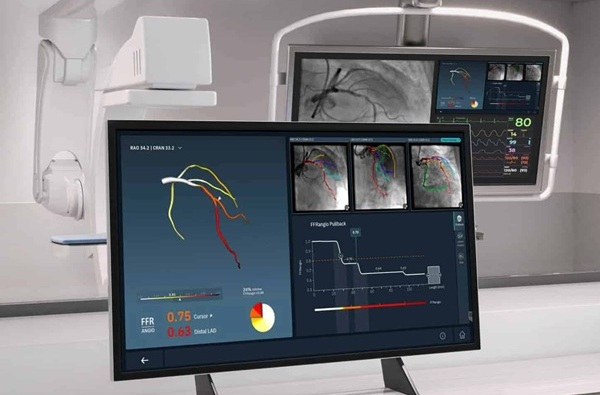
Angiography-Based FFR Approach Matches Gold Standard Results Without Wires
Accurately determining whether a coronary stenosis limits blood flow is essential to guide percutaneous coronary intervention, yet wire-based physiologic testing remains underused due to added procedural... Read more
Eye Imaging AI Identifies Elevated Cardiovascular Risk
Many adults at risk for atherosclerotic cardiovascular disease are not identified until they undergo formal primary care assessment. Delayed risk recognition can postpone initiation of statins and lifestyle... Read more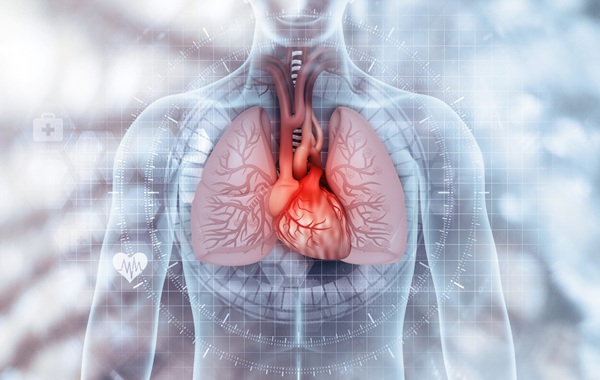

Surgical Techniques
view channel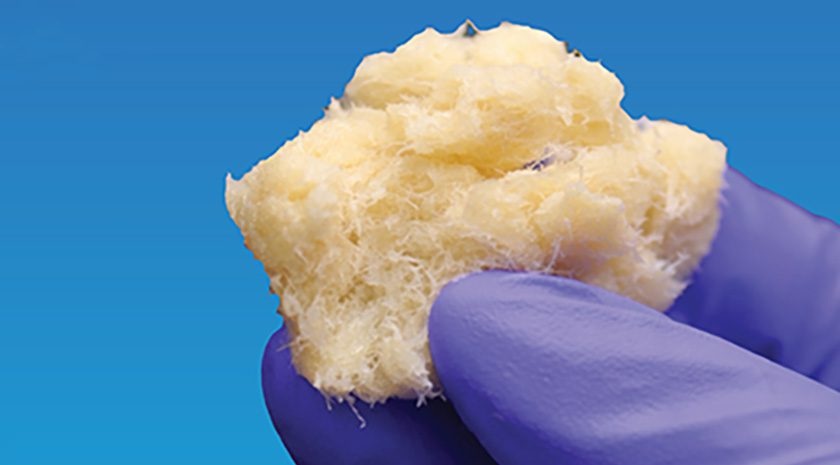
Fiber-Form Bone Graft Expands Intraoperative Options for Spinal Fusion
Spinal and orthopedic fusion procedures often require bone graft materials that handle predictably and support bone formation. Surgeons face added complexity in difficult anatomy and challenging fusion environments.... Read more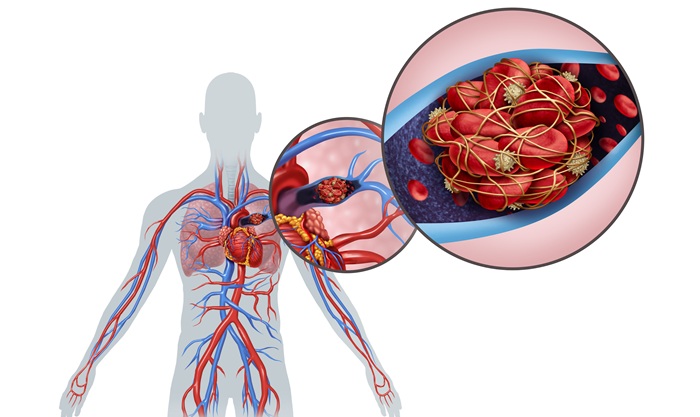
Ultrasound‑Aided Catheter Treatment Cuts Early Collapse in Pulmonary Embolism
Acute pulmonary embolism can cause rapid hemodynamic deterioration and early death in hospitalized and emergency patients. Systemic thrombolysis can dissolve clots but is limited by a high risk of major... Read more

Patient Care
view channel
Wearable Sleep Data Predict Adherence to Pulmonary Rehabilitation
Chronic obstructive pulmonary disease (COPD) is a long-term lung disorder that makes breathing difficult and often disturbs sleep, reducing energy for daily activities. Limited engagement in pulmonary... Read more
Revolutionary Automatic IV-Line Flushing Device to Enhance Infusion Care
More than 80% of in-hospital patients receive intravenous (IV) therapy. Every dose of IV medicine delivered in a small volume (<250 mL) infusion bag should be followed by subsequent flushing to ensure... Read more

Health IT
view channel
Voice-Driven AI System Enables Structured GI Procedure Documentation
Documentation during gastrointestinal (GI) procedures often competes with real-time clinical decision-making and imposes a significant cognitive burden on physicians. Manual data entry and post-procedure... Read more
EMR-Based Tool Predicts Graft Failure After Kidney Transplant
Kidney transplantation offers patients with end-stage kidney disease longer survival and better quality of life than dialysis, yet graft failure remains a major challenge. Although a successful transplant... Read more
Printable Molecule-Selective Nanoparticles Enable Mass Production of Wearable Biosensors
The future of medicine is likely to focus on the personalization of healthcare—understanding exactly what an individual requires and delivering the appropriate combination of nutrients, metabolites, and... Read more

Business
view channel
GE HealthCare Leads Major European Initiative to Advance Cardio-Oncology Care
Cardiovascular complications are increasingly recognized among people undergoing or recovering from cancer treatment, driven by pre‑existing disease and the cardiotoxic effects of chemotherapy, radiotherapy,... Read more

