






Telemedicine Reduces Inter-Hospital ICU Transfers
|
By HospiMedica International staff writers Posted on 15 Aug 2018 |


|

Image: A new study claims telemedicine reduces the need for transferring ICU patients to other facilities (Photo courtesy of Alamy).
Telemedicine is associated with a decrease in inter-hospital intensive care unit (ICU) transfer of critically ill patients, according to a new study.
Researchers at Iowa City Veterans Affairs (VA) Health Care System (IA, USA), the University of Iowa (Iowa City, USA), and other institutions conducted a study to test a hypothesis that ICU telemedicine decreases ICU patient inter-hospital transfers. Data were retrieved for patients admitted to 306 VA ICUs between 2011 and 2015. Telemedicine services were provided to 52 ICUs by two support centers, located in Minneapolis (MN, USA) and Cincinnati (OH, USA). In all, there were 553,523 admissions to the VA ICUs, of which 97,256 were to telemedicine hospitals, and 456,267 to non-telemedicine hospitals.
The results revealed that transfers decreased from 3.46% to 1.99% in the telemedicine hospitals, and from 2.03% to 1.68% in the non-telemedicine facilities when comparing pre- and post-telemedicine implementation periods. After adjusting for demographics, illness severity, admission diagnosis, and facility, ICU telemedicine was associated with a relative risk (RR) of 0.79. The highest impact reduction was seen in patients admitted with gastrointestinal (GI) and respiratory admission diagnoses. ICU telemedicine was not associated with an increase in 30-day mortality. The study was published in the July 2018 issue of Chest.
“The effect of telemedicine on transfers was more prominent in patients that do not require any high-resource intervention; for example, patients with status asthmaticus on mechanical ventilator are very challenging for non-critical care trained physicians, although they do not require any invasive procedure,” said lead author Spyridon Fortis, MD, of Iowa City VA Health Care System. “An intensivist with the help of a bedside respiratory therapist can manage these patients remotely by watching the ventilator monitors.”
Telemedicine is essentially a product of modern telecommunication and information technologies that permit communications between patient and medical staff with both convenience and fidelity, as well as the transmission of medical, imaging, and health informatics data from one site to another. It is most often used to improve patient, doctor, and nursing staff access to medical services in distant or sparsely populated rural communities.
Related Links:
Iowa City Veterans Affairs Health Care System
University of Iowa




Researchers at Iowa City Veterans Affairs (VA) Health Care System (IA, USA), the University of Iowa (Iowa City, USA), and other institutions conducted a study to test a hypothesis that ICU telemedicine decreases ICU patient inter-hospital transfers. Data were retrieved for patients admitted to 306 VA ICUs between 2011 and 2015. Telemedicine services were provided to 52 ICUs by two support centers, located in Minneapolis (MN, USA) and Cincinnati (OH, USA). In all, there were 553,523 admissions to the VA ICUs, of which 97,256 were to telemedicine hospitals, and 456,267 to non-telemedicine hospitals.
The results revealed that transfers decreased from 3.46% to 1.99% in the telemedicine hospitals, and from 2.03% to 1.68% in the non-telemedicine facilities when comparing pre- and post-telemedicine implementation periods. After adjusting for demographics, illness severity, admission diagnosis, and facility, ICU telemedicine was associated with a relative risk (RR) of 0.79. The highest impact reduction was seen in patients admitted with gastrointestinal (GI) and respiratory admission diagnoses. ICU telemedicine was not associated with an increase in 30-day mortality. The study was published in the July 2018 issue of Chest.
“The effect of telemedicine on transfers was more prominent in patients that do not require any high-resource intervention; for example, patients with status asthmaticus on mechanical ventilator are very challenging for non-critical care trained physicians, although they do not require any invasive procedure,” said lead author Spyridon Fortis, MD, of Iowa City VA Health Care System. “An intensivist with the help of a bedside respiratory therapist can manage these patients remotely by watching the ventilator monitors.”
Telemedicine is essentially a product of modern telecommunication and information technologies that permit communications between patient and medical staff with both convenience and fidelity, as well as the transmission of medical, imaging, and health informatics data from one site to another. It is most often used to improve patient, doctor, and nursing staff access to medical services in distant or sparsely populated rural communities.
Related Links:
Iowa City Veterans Affairs Health Care System
University of Iowa

New
Gold Member
Handheld Blood Glucose Analyzer
STAT-Site
New
Creatinine/eGFR Meter
StatSensor® Creatinine/eGFR Meter
New
Glucose Meter
StatStrip®
Channels
Artificial Intelligence
view channel
Machine Learning Approach Enhances Liver Cancer Risk Stratification
Hepatocellular carcinoma, the most common form of primary liver cancer, is often detected late despite targeted surveillance programs. Current screening guidelines emphasize patients with known cirrhosis,... Read more
New AI Approach Monitors Brain Health Using Passive Wearable Data
Brain health spans cognitive and emotional functions and can fluctuate even in adults without diagnosed disease. Detecting early changes remains difficult in routine care and burdens specialty services... Read more
Critical Care
view channel
Automated IV Labeling Solution Improves Infusion Safety and Efficiency
Medication administration in high-acuity settings is often complicated by multiple concurrent infusions, making accurate line identification essential. In a 10-hospital intensive care unit study, 60% of... Read more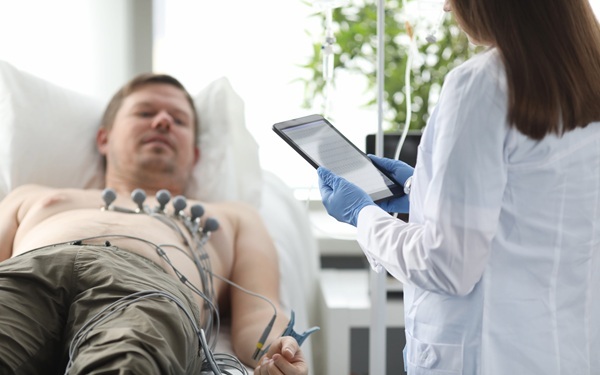
First-Of-Its-Kind AI Tool Detects Pulmonary Hypertension from Standard ECGs
Pulmonary hypertension is a progressive, life‑threatening disease that is frequently missed early because symptoms such as dyspnea are nonspecific and diagnostic delays can exceed two years.... Read more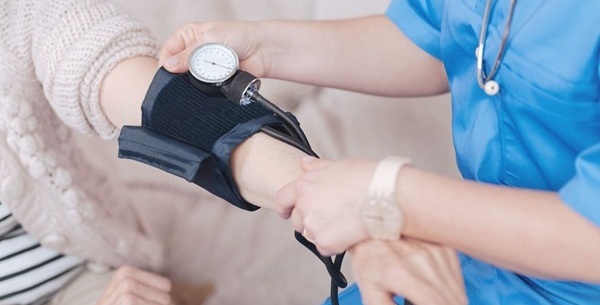
Surgical Techniques
view channel
Continuous Monitoring with Wearables Enhances Postoperative Patient Safety
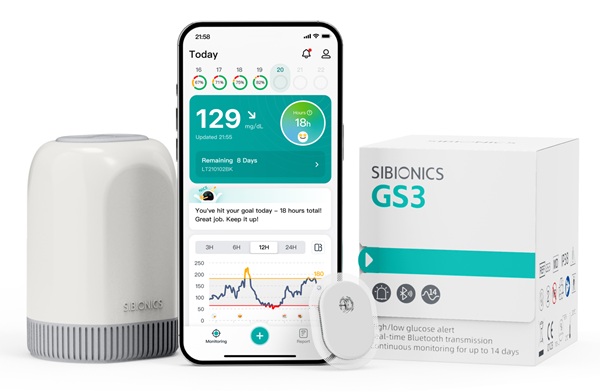
Postoperative hypoxemia on general surgical wards is common and often missed by intermittent vital sign checks. Undetected low oxygen levels can delay recovery and raise the risk of complications that... Read more
New Approach Enables Customized Muscle Tissue Without Biomaterial Scaffolds
Volumetric muscle loss is a traumatic loss of skeletal muscle that often leads to permanent functional impairment and limited reconstructive options. Current experimental strategies struggle to deliver... Read more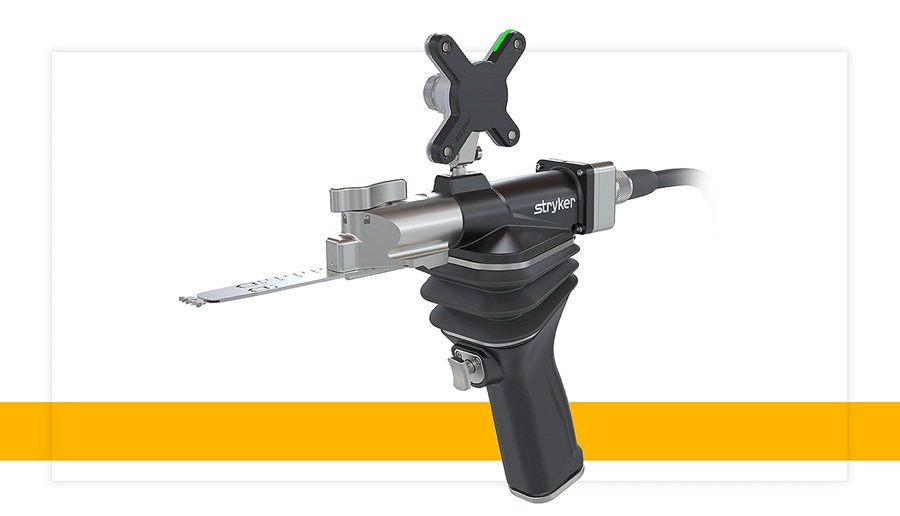
Patient Care
view channel
Wearable Sleep Data Predict Adherence to Pulmonary Rehabilitation
Chronic obstructive pulmonary disease (COPD) is a long-term lung disorder that makes breathing difficult and often disturbs sleep, reducing energy for daily activities. Limited engagement in pulmonary... Read more
Revolutionary Automatic IV-Line Flushing Device to Enhance Infusion Care
More than 80% of in-hospital patients receive intravenous (IV) therapy. Every dose of IV medicine delivered in a small volume (<250 mL) infusion bag should be followed by subsequent flushing to ensure... Read more


Business
view channel
GE HealthCare Leads Major European Initiative to Advance Cardio-Oncology Care
Cardiovascular complications are increasingly recognized among people undergoing or recovering from cancer treatment, driven by pre‑existing disease and the cardiotoxic effects of chemotherapy, radiotherapy,... Read more

