






Technological Advances to Fuel EHR-EMR Market Growth
|
By HospiMedica International staff writers Posted on 01 Oct 2018 |


|
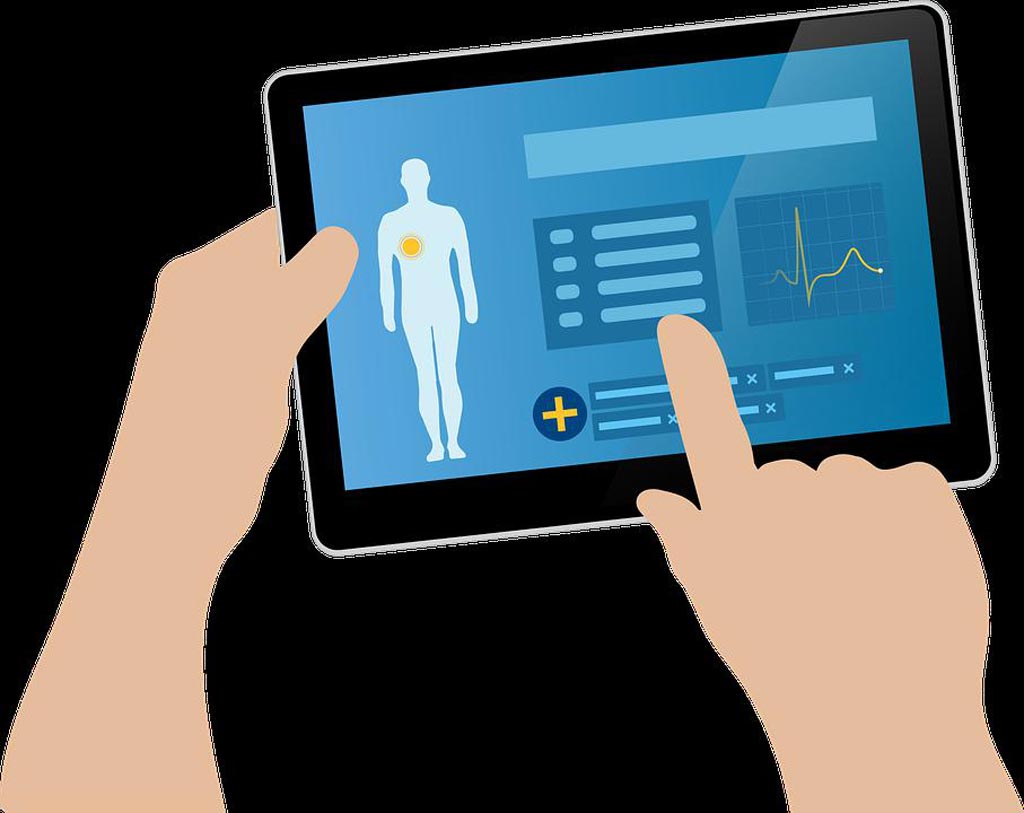
Image: The global EHR-EMR market is expected to grow to USD 120 billion by the end of 2023 (Photo courtesy of OpenPR).
The global EHR-EMR market is expected to grow at a CAGR of 10.9% from USD 70 billion in 2016 to USD 120 billion by the end of 2023, driven primarily by an increase in the volume of medical records which requires proper management and storage. These are the latest findings of Market Research Future (Pune, Maharashtra, India), a market research company.
The global EHR-EMR market is proliferating due to the advantages of better accessibility, improved communication, data aggregation, integration, and lower staffing requirements which reduce health care costs as well as the scope for human errors. Technological advancements in EHR-EMR technology such as Blockchain, Byod, Artificial Intelligence, Opensource are also fueling the market growth. Additionally, cloud-based solutions are also providing growth opportunities. Small healthcare providers who are unable to afford upfront investments are opting for free and web-based services, which also eliminates the need for infrastructure and maintenance.
Government funding is a key driver of the global EHR-EMR market. Governments in various economies are funding projects to automate health record systems, thereby driving the demand for EHR-EMR. The growth of the healthcare and life sciences industry is also contributing to the growth of the EHR-EMR market.
Geographically, the Americas dominates the global EHR-EMR market due to the broad adoption of EHR-EMR, presence of major players and growth in the number of services among hospitals in the region. Europe is the world’s second-largest EHR-EMR market due to the growing adoption of IT in the healthcare sector for patient administration and engagement. Asia Pacific is expected to emerge as the fastest growing EHR-EMR market in the world, driven by the escalated demand for software solutions in the healthcare sector and growing expenditure on healthcare facilities in the region’s developing economies.
However, several factors are expected to restrict the growth of the global EHR-EMR market. For instance, the global economic slowdown resulting in lack of capital and operational constraints is likely to affect the market growth. There is high interest among both the developed and developing countries in automating health records, although the insufficient availability of technology to support the systems and lack of funds to migrate from existing systems to electronic systems are acting as constraints to the introduction of EHR-EMR systems in these economies.
The high cost involved in implementing EHR-EMR systems is a key factor limiting the market growth. Switching to EHR-EMR requires computers, electrical wiring and a large amount of electricity supply, all of which involves huge costs. Health administrators and governments are resistant towards adopting EHR-EMR systems due to the high implementation costs. Additionally, the lack of skilled staff having adequate knowledge of computers and disease classification, resistance among medical professionals to switch to an electronic system and change their behaviors and attitudes, and lack of data processing facilities are acting as barriers to the implementation of EHR-EMR.
Related Links:
Market Research Future




The global EHR-EMR market is proliferating due to the advantages of better accessibility, improved communication, data aggregation, integration, and lower staffing requirements which reduce health care costs as well as the scope for human errors. Technological advancements in EHR-EMR technology such as Blockchain, Byod, Artificial Intelligence, Opensource are also fueling the market growth. Additionally, cloud-based solutions are also providing growth opportunities. Small healthcare providers who are unable to afford upfront investments are opting for free and web-based services, which also eliminates the need for infrastructure and maintenance.
Government funding is a key driver of the global EHR-EMR market. Governments in various economies are funding projects to automate health record systems, thereby driving the demand for EHR-EMR. The growth of the healthcare and life sciences industry is also contributing to the growth of the EHR-EMR market.
Geographically, the Americas dominates the global EHR-EMR market due to the broad adoption of EHR-EMR, presence of major players and growth in the number of services among hospitals in the region. Europe is the world’s second-largest EHR-EMR market due to the growing adoption of IT in the healthcare sector for patient administration and engagement. Asia Pacific is expected to emerge as the fastest growing EHR-EMR market in the world, driven by the escalated demand for software solutions in the healthcare sector and growing expenditure on healthcare facilities in the region’s developing economies.
However, several factors are expected to restrict the growth of the global EHR-EMR market. For instance, the global economic slowdown resulting in lack of capital and operational constraints is likely to affect the market growth. There is high interest among both the developed and developing countries in automating health records, although the insufficient availability of technology to support the systems and lack of funds to migrate from existing systems to electronic systems are acting as constraints to the introduction of EHR-EMR systems in these economies.
The high cost involved in implementing EHR-EMR systems is a key factor limiting the market growth. Switching to EHR-EMR requires computers, electrical wiring and a large amount of electricity supply, all of which involves huge costs. Health administrators and governments are resistant towards adopting EHR-EMR systems due to the high implementation costs. Additionally, the lack of skilled staff having adequate knowledge of computers and disease classification, resistance among medical professionals to switch to an electronic system and change their behaviors and attitudes, and lack of data processing facilities are acting as barriers to the implementation of EHR-EMR.
Related Links:
Market Research Future

New
Gold Member
Handheld Blood Glucose Analyzer
STAT-Site
New
Tourniquet System
heidi– mein Tourniquet
New
Multi-Chamber Washer-Disinfector
WD 390
Latest Business News
- GE HealthCare Leads Major European Initiative to Advance Cardio-Oncology Care
- Medtronic and GE HealthCare Broaden Alliance Across Monitoring and Care Solutions
- Quantum Surgical Acquires NeuWave from Johnson & Johnson
- Medtronic to Acquire Coronary Artery Medtech Company CathWorks
- Medtronic and Mindray Expand Strategic Partnership to Ambulatory Surgery Centers in the U.S.
- FDA Clearance Expands Robotic Options for Minimally Invasive Heart Surgery
- WHX in Dubai (formerly Arab Health) to debut specialised Biotech & Life Sciences Zone as sector growth accelerates globally
- WHX in Dubai (formerly Arab Health) to bring together key UAE government entities during the groundbreaking 2026 edition
- Interoperability Push Fuels Surge in Healthcare IT Market
- Philips and Masimo Partner to Advance Patient Monitoring Measurement Technologies
- B. Braun Acquires Digital Microsurgery Company True Digital Surgery
- CMEF 2025 to Promote Holistic and High-Quality Development of Medical and Health Industry
- Bayer and Broad Institute Extend Research Collaboration to Develop New Cardiovascular Therapies
- Medtronic Partners with Corsano to Expand Acute Care & Monitoring Portfolio in Europe
- Expanded Collaboration to Transform OR Technology Through AI and Automation
- Becton Dickinson to Spin Out Biosciences and Diagnostic Solutions Business
Channels
Artificial Intelligence
view channel
Machine Learning Approach Enhances Liver Cancer Risk Stratification
Hepatocellular carcinoma, the most common form of primary liver cancer, is often detected late despite targeted surveillance programs. Current screening guidelines emphasize patients with known cirrhosis,... Read more
New AI Approach Monitors Brain Health Using Passive Wearable Data
Brain health spans cognitive and emotional functions and can fluctuate even in adults without diagnosed disease. Detecting early changes remains difficult in routine care and burdens specialty services... Read more

Critical Care
view channel
Noninvasive Monitoring Device Enables Earlier Intervention in Heart Failure
Hospitalizations for heart failure with preserved ejection fraction (HFpEF) remain common because lung congestion often worsens before symptoms prompt treatment changes. Missed early decompensation... Read more
Automated IV Labeling Solution Improves Infusion Safety and Efficiency
Medication administration in high-acuity settings is often complicated by multiple concurrent infusions, making accurate line identification essential. In a 10-hospital intensive care unit study, 60% of... Read more

Surgical Techniques
view channel
Continuous Monitoring with Wearables Enhances Postoperative Patient Safety
Postoperative hypoxemia on general surgical wards is common and often missed by intermittent vital sign checks. Undetected low oxygen levels can delay recovery and raise the risk of complications that... Read more
New Approach Enables Customized Muscle Tissue Without Biomaterial Scaffolds
Volumetric muscle loss is a traumatic loss of skeletal muscle that often leads to permanent functional impairment and limited reconstructive options. Current experimental strategies struggle to deliver... Read more

Patient Care
view channel
Wearable Sleep Data Predict Adherence to Pulmonary Rehabilitation
Chronic obstructive pulmonary disease (COPD) is a long-term lung disorder that makes breathing difficult and often disturbs sleep, reducing energy for daily activities. Limited engagement in pulmonary... Read more
Revolutionary Automatic IV-Line Flushing Device to Enhance Infusion Care
More than 80% of in-hospital patients receive intravenous (IV) therapy. Every dose of IV medicine delivered in a small volume (<250 mL) infusion bag should be followed by subsequent flushing to ensure... Read more

Health IT
view channel
EMR-Based Tool Predicts Graft Failure After Kidney Transplant
Kidney transplantation offers patients with end-stage kidney disease longer survival and better quality of life than dialysis, yet graft failure remains a major challenge. Although a successful transplant... Read more


