Patient Health Information Frequently Shared Electronically
|
By HospiMedica International staff writers Posted on 03 Oct 2018 |


|
The most common electronically sent and received types of patient health information (PHI) include laboratory results and medication lists, claims a new report.
For the report, researchers at the U.S Centers for Disease Control and Prevention (CDC; Atlanta, GA, USA) extracted data from the 2015 National Electronic Health Records Survey (NEHRS), a nationally representative survey of nonfederal, office-based physicians that collects information on physician and practice characteristics, including the adoption and use of electronic health record (EHR) systems. Estimates of the types of PHI shared electronically were ranked based on whether participating physicians electronically sent, received, integrated, or searched for PHI.
The results showed that the most commonly observed types of PHI sent electronically were referrals (67.9%), laboratory results (67.2%), and medication lists (65.1%). The most commonly observed types of received PHI were laboratory results (78.8%), imaging reports (60.8%), and medication lists (54.4%). The most commonly observed types of integrated PHI were laboratory results, imaging reports, and hospital discharge summaries. PHI electronic searches were mostly for medication lists (90.2%), medication allergy lists (88.2%), and hospital discharge summaries (80.4%). The report was published on August 15, 2018, in National Health Statistics Reports.
“EHRs have the advantage of providing accurate and complete information about patients, reducing health care costs, and enhancing privacy and security of patient data. EHRs also allow physicians to obtain access to current medication lists, allergies, and laboratory results, which may facilitate quality of care,” concluded lead author Ninee Yang, PhD, and colleagues. “Combined with measures of electronic sharing of PHI, information on the specific type of PHI shared electronically among office-based physicians will assist in tracking progress outlined in the federal plan for achieving interoperability.”
The 2009 U.S. Health Information Technology for Economic and Clinical Health (HITECH) Act provides financial incentives to eligible providers using a certified EHR system, and those who can demonstrate meaningful use of the system. In 2010, the Office of the National Coordinator for Health Information Technology began certifying EHR systems based on their ability to meet the meaningful use criteria. By 2015, 77.9% of office-based physicians had a certified EHR system.
Related Links:
U.S Centers for Disease Control and Prevention




For the report, researchers at the U.S Centers for Disease Control and Prevention (CDC; Atlanta, GA, USA) extracted data from the 2015 National Electronic Health Records Survey (NEHRS), a nationally representative survey of nonfederal, office-based physicians that collects information on physician and practice characteristics, including the adoption and use of electronic health record (EHR) systems. Estimates of the types of PHI shared electronically were ranked based on whether participating physicians electronically sent, received, integrated, or searched for PHI.
The results showed that the most commonly observed types of PHI sent electronically were referrals (67.9%), laboratory results (67.2%), and medication lists (65.1%). The most commonly observed types of received PHI were laboratory results (78.8%), imaging reports (60.8%), and medication lists (54.4%). The most commonly observed types of integrated PHI were laboratory results, imaging reports, and hospital discharge summaries. PHI electronic searches were mostly for medication lists (90.2%), medication allergy lists (88.2%), and hospital discharge summaries (80.4%). The report was published on August 15, 2018, in National Health Statistics Reports.
“EHRs have the advantage of providing accurate and complete information about patients, reducing health care costs, and enhancing privacy and security of patient data. EHRs also allow physicians to obtain access to current medication lists, allergies, and laboratory results, which may facilitate quality of care,” concluded lead author Ninee Yang, PhD, and colleagues. “Combined with measures of electronic sharing of PHI, information on the specific type of PHI shared electronically among office-based physicians will assist in tracking progress outlined in the federal plan for achieving interoperability.”
The 2009 U.S. Health Information Technology for Economic and Clinical Health (HITECH) Act provides financial incentives to eligible providers using a certified EHR system, and those who can demonstrate meaningful use of the system. In 2010, the Office of the National Coordinator for Health Information Technology began certifying EHR systems based on their ability to meet the meaningful use criteria. By 2015, 77.9% of office-based physicians had a certified EHR system.
Related Links:
U.S Centers for Disease Control and Prevention

Gold Member
12-Channel ECG
CM1200B
Bipolar Coagulation Generator
Aesculap
VTE Prevention System
Flowtron ACS900
Channels

Critical Care
view channel
Magnetically Guided Microrobots to Enable Targeted Drug Delivery
Stroke affects 12 million people globally each year, often causing death or lasting disability. Current treatment relies on systemic administration of clot-dissolving drugs, which circulate throughout... Read more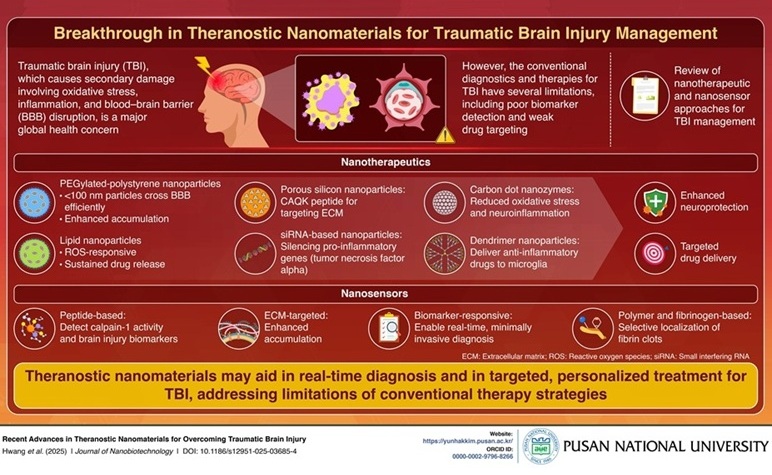
Smart Nanomaterials Detect and Treat Traumatic Brain Injuries Simultaneously
Traumatic brain injury (TBI) continues to leave millions with long-term disabilities every year. After a sudden impact from a fall, collision, or accident, the brain undergoes inflammation, oxidative stress,... Read more
Earlier Blood Transfusion Could Reduce Heart Failure and Arrhythmia in Heart Disease Patients
Blood loss during or after surgery can place significant stress on people with heart disease, increasing the risk of dangerous complications. Transfusions are often delayed until hemoglobin levels fall... Read more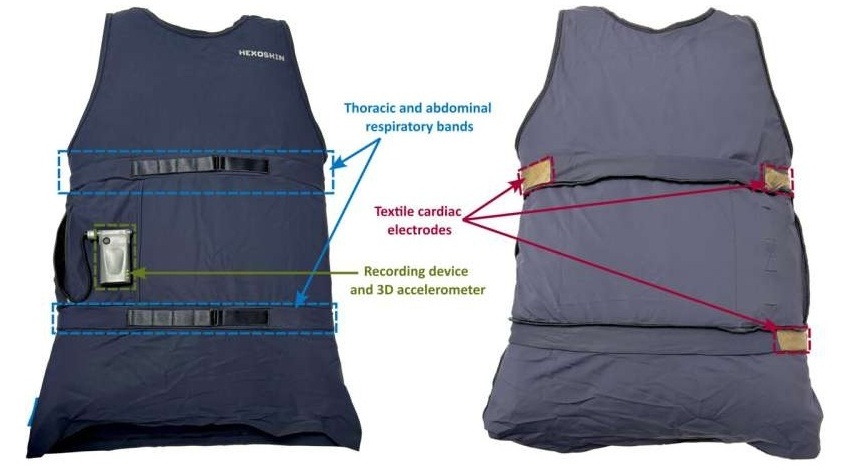
Surgical Techniques
view channel
New Study Findings Could Halve Number of Stent Procedures
When a coronary artery becomes acutely blocked during a heart attack, opening it immediately is essential to prevent irreversible damage. However, many patients also have other narrowed vessels that appear... Read more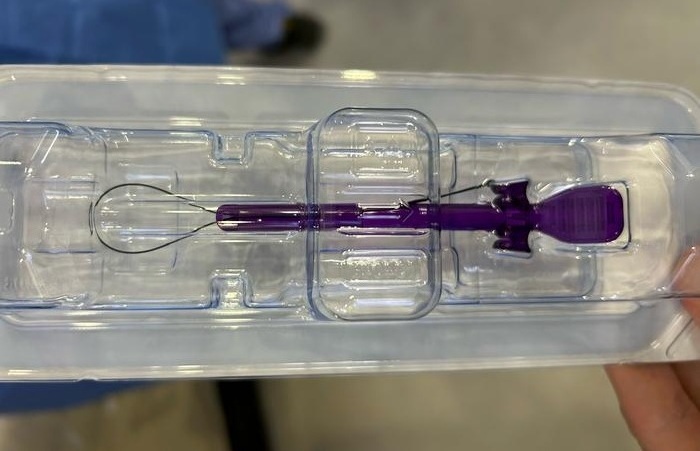
Breakthrough Surgical Device Redefines Hip Arthroscopy
Hip arthroscopy has surged in popularity, yet surgeons still face major mechanical constraints when navigating deep joint spaces through traditional cannulas. Limited tool mobility and the need for an... Read more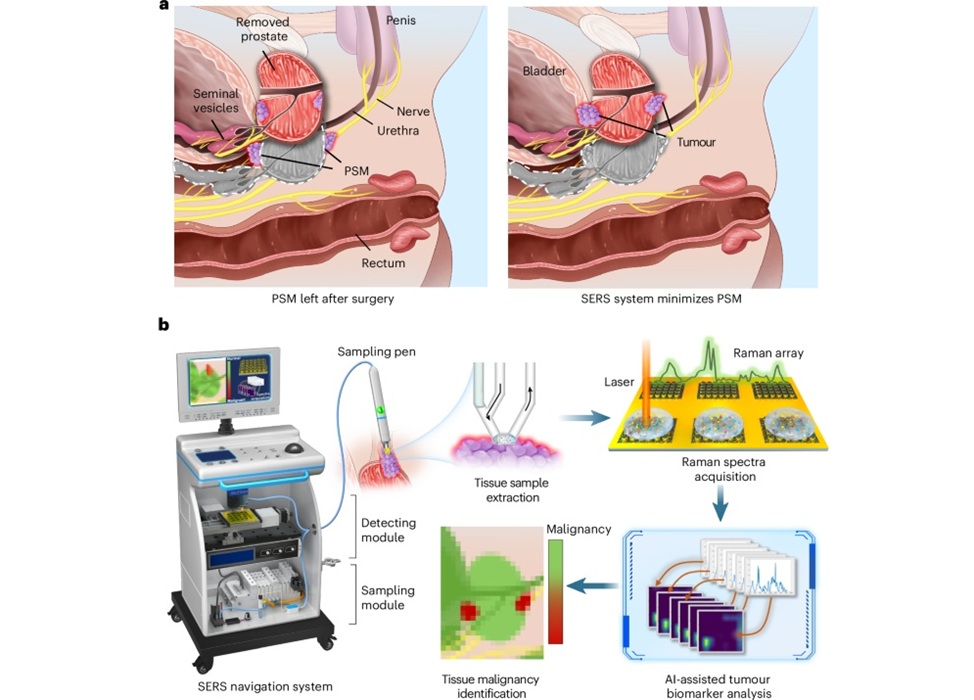
Patient Care
view channel
Revolutionary Automatic IV-Line Flushing Device to Enhance Infusion Care
More than 80% of in-hospital patients receive intravenous (IV) therapy. Every dose of IV medicine delivered in a small volume (<250 mL) infusion bag should be followed by subsequent flushing to ensure... Read more
VR Training Tool Combats Contamination of Portable Medical Equipment
Healthcare-associated infections (HAIs) impact one in every 31 patients, cause nearly 100,000 deaths each year, and cost USD 28.4 billion in direct medical expenses. Notably, up to 75% of these infections... Read more
Portable Biosensor Platform to Reduce Hospital-Acquired Infections
Approximately 4 million patients in the European Union acquire healthcare-associated infections (HAIs) or nosocomial infections each year, with around 37,000 deaths directly resulting from these infections,... Read more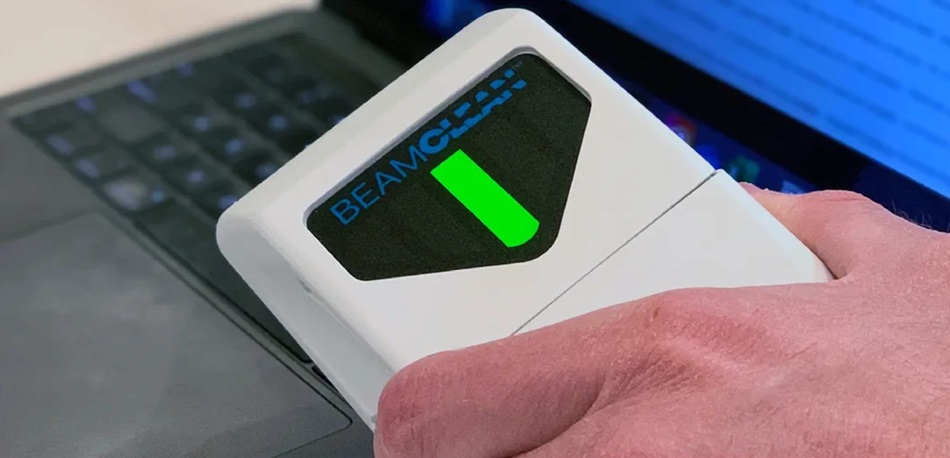
First-Of-Its-Kind Portable Germicidal Light Technology Disinfects High-Touch Clinical Surfaces in Seconds
Reducing healthcare-acquired infections (HAIs) remains a pressing issue within global healthcare systems. In the United States alone, 1.7 million patients contract HAIs annually, leading to approximately... Read moreBusiness
view channel
Philips and Masimo Partner to Advance Patient Monitoring Measurement Technologies
Royal Philips (Amsterdam, Netherlands) and Masimo (Irvine, California, USA) have renewed their multi-year strategic collaboration, combining Philips’ expertise in patient monitoring with Masimo’s noninvasive... Read more
B. Braun Acquires Digital Microsurgery Company True Digital Surgery
The high-end microsurgery market in neurosurgery, spine, and ENT is undergoing a significant transformation. Traditional analog microscopes are giving way to digital exoscopes, which provide improved visualization,... Read more
CMEF 2025 to Promote Holistic and High-Quality Development of Medical and Health Industry
The 92nd China International Medical Equipment Fair (CMEF 2025) Autumn Exhibition is scheduled to be held from September 26 to 29 at the China Import and Export Fair Complex (Canton Fair Complex) in Guangzhou.... Read more