






New AI Algorithm Enhances Polyp Detection in Colonoscopy Procedures
|
By HospiMedica International staff writers Posted on 23 Nov 2018 |


|
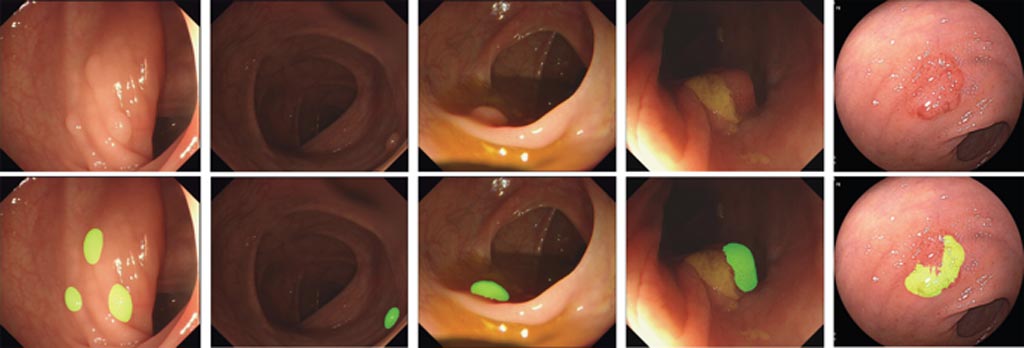
Image: The Wision AI algorithm highlights polyps on the monitor, enhancing detection (bottom) (Photo courtesy of Shanghai Wision AI).
Researchers at Shanghai Wision AI Co., Ltd. (Shanghai, China), a developer of computer-aided diagnostic algorithms and systems to improve the accuracy and effectiveness of diagnostic imaging, have announced results of a study validating a novel machine-learning algorithm that improves detection of adenomatous polyps during colonoscopy. The AI algorithm is built on the same network architecture that is used to develop self-driving cars and is designed to enable “self-driving” in colonoscopy procedures.
The Wision AI algorithm was validated on large, prospectively developed datasets collected independently from the training dataset that were several-fold larger than the training dataset. This more rigorous validation approach utilized by Wision AI is meant to increase the performance of the algorithm in real-world clinical settings.
The algorithm was developed using 5,545 images (65.5% containing polyps and 34.5% without polyps) from the colonoscopy reports of 1,290 patients. Experienced endoscopists annotated the presence of polyps in all images used in the development dataset, and the algorithm was then validated on four independent datasets: two sets for image analysis (A and B) and two sets for video analysis (C and D). According to the study’s key findings, validation on dataset A, which included 27,113 images from patients undergoing colonoscopy at the Endoscopy Center of Sichuan Provincial People’s Hospital, found a per-image-sensitivity of 94.4% and a per-image-specificity of 95.9%. The per-image-sensitivity in a subset of 1,280 images with polyps that are typically hard to detect was 91.7%.
Validation on dataset B, based on a public database of 612 colonoscopy images acquired from the Hospital Clinic of Barcelona, found a per-image-sensitivity of 88.2%. The use of this dataset allowed for generalization of the validation data to a broader patient population. Validation on dataset C included a series of colonoscopy videos containing 138 polyps, found a per-image sensitivity of 91.6% among 60,914 frames of video, and a per-polyp sensitivity of 100%. Validation on dataset D, which contained 54 colonoscopy videos without any polyps, found a per-image-specificity of 95.4% among 1,072,483 frames. The total processing time for each image frame was 76.8 milliseconds, including preprocessing and displaying times before and after execution of the deep-learning algorithm. Implementation in a real-time system resulted in a processing rate of 30 frames per second with Nvidia Titan X GPUs.
Based on these findings, the researchers concluded that the automatic polyp-detection system based on deep learning has a high overall performance in both colonoscopy images and real-time videos.
“The results of this study demonstrate the power of our rigorous approach to developing deep-learning algorithms, which utilizes distinct datasets for training and validation and results in high levels of specificity and sensitivity that have the potential to improve diagnostic screening methods that are known to reduce disease risk, improve health outcomes and save lives,” said JingJia Liu, CEO at Wision AI.
Related Links:
Shanghai Wision AI





The Wision AI algorithm was validated on large, prospectively developed datasets collected independently from the training dataset that were several-fold larger than the training dataset. This more rigorous validation approach utilized by Wision AI is meant to increase the performance of the algorithm in real-world clinical settings.
The algorithm was developed using 5,545 images (65.5% containing polyps and 34.5% without polyps) from the colonoscopy reports of 1,290 patients. Experienced endoscopists annotated the presence of polyps in all images used in the development dataset, and the algorithm was then validated on four independent datasets: two sets for image analysis (A and B) and two sets for video analysis (C and D). According to the study’s key findings, validation on dataset A, which included 27,113 images from patients undergoing colonoscopy at the Endoscopy Center of Sichuan Provincial People’s Hospital, found a per-image-sensitivity of 94.4% and a per-image-specificity of 95.9%. The per-image-sensitivity in a subset of 1,280 images with polyps that are typically hard to detect was 91.7%.
Validation on dataset B, based on a public database of 612 colonoscopy images acquired from the Hospital Clinic of Barcelona, found a per-image-sensitivity of 88.2%. The use of this dataset allowed for generalization of the validation data to a broader patient population. Validation on dataset C included a series of colonoscopy videos containing 138 polyps, found a per-image sensitivity of 91.6% among 60,914 frames of video, and a per-polyp sensitivity of 100%. Validation on dataset D, which contained 54 colonoscopy videos without any polyps, found a per-image-specificity of 95.4% among 1,072,483 frames. The total processing time for each image frame was 76.8 milliseconds, including preprocessing and displaying times before and after execution of the deep-learning algorithm. Implementation in a real-time system resulted in a processing rate of 30 frames per second with Nvidia Titan X GPUs.
Based on these findings, the researchers concluded that the automatic polyp-detection system based on deep learning has a high overall performance in both colonoscopy images and real-time videos.
“The results of this study demonstrate the power of our rigorous approach to developing deep-learning algorithms, which utilizes distinct datasets for training and validation and results in high levels of specificity and sensitivity that have the potential to improve diagnostic screening methods that are known to reduce disease risk, improve health outcomes and save lives,” said JingJia Liu, CEO at Wision AI.
Related Links:
Shanghai Wision AI

New
Gold Member
Handheld Blood Glucose Analyzer
STAT-Site
New
Glucose Meter
StatStrip®
New
Patient Preoperative Skin Preparation
BD ChloraPrep
Latest Industry News News
Channels
Artificial Intelligence
view channel
AI Analysis of Pericardial Fat Refines Long-Term Heart Disease Risk
Accurately identifying long-term cardiovascular disease risk in asymptomatic adults remains challenging for clinicians. Missed or underestimated risk delays preventive therapy and increases the chance... Read more
Machine Learning Approach Enhances Liver Cancer Risk Stratification
Hepatocellular carcinoma, the most common form of primary liver cancer, is often detected late despite targeted surveillance programs. Current screening guidelines emphasize patients with known cirrhosis,... Read more

Critical Care
view channel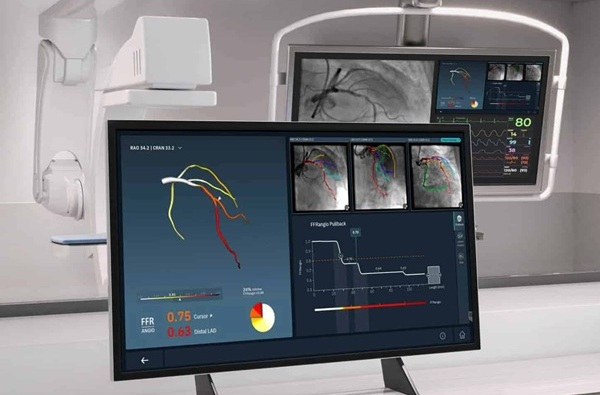
Angiography-Based FFR Approach Matches Gold Standard Results Without Wires
Accurately determining whether a coronary stenosis limits blood flow is essential to guide percutaneous coronary intervention, yet wire-based physiologic testing remains underused due to added procedural... Read more
Eye Imaging AI Identifies Elevated Cardiovascular Risk
Many adults at risk for atherosclerotic cardiovascular disease are not identified until they undergo formal primary care assessment. Delayed risk recognition can postpone initiation of statins and lifestyle... Read more

Surgical Techniques
view channel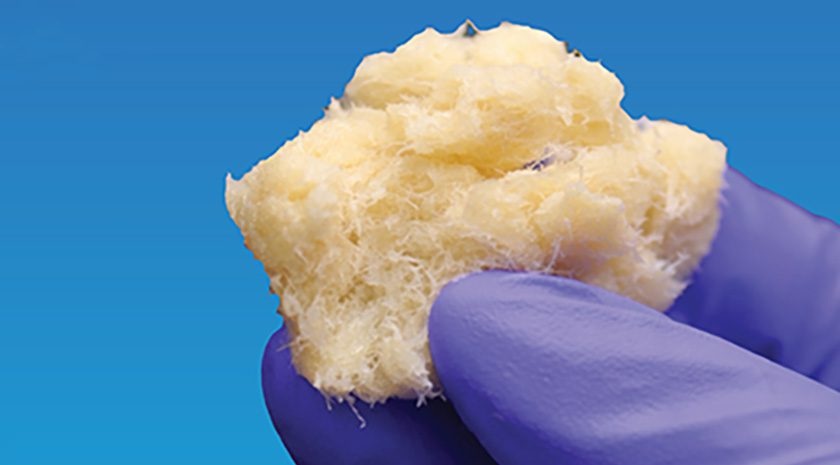
Fiber-Form Bone Graft Expands Intraoperative Options for Spinal Fusion
Spinal and orthopedic fusion procedures often require bone graft materials that handle predictably and support bone formation. Surgeons face added complexity in difficult anatomy and challenging fusion environments.... Read more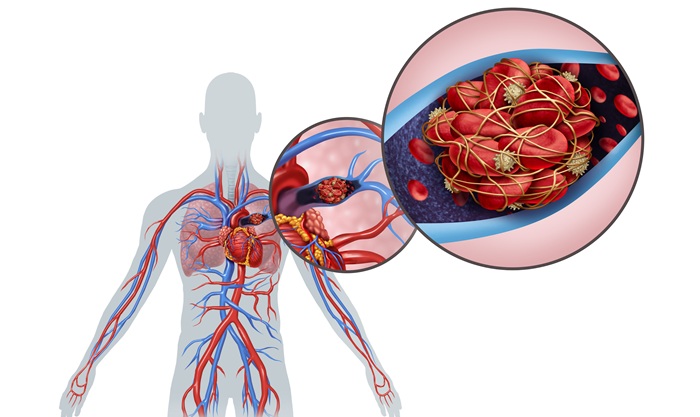
Ultrasound‑Aided Catheter Treatment Cuts Early Collapse in Pulmonary Embolism
Acute pulmonary embolism can cause rapid hemodynamic deterioration and early death in hospitalized and emergency patients. Systemic thrombolysis can dissolve clots but is limited by a high risk of major... Read more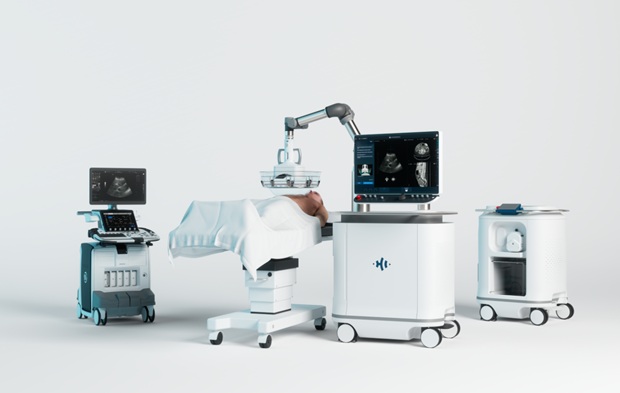

Patient Care
view channel
Wearable Sleep Data Predict Adherence to Pulmonary Rehabilitation
Chronic obstructive pulmonary disease (COPD) is a long-term lung disorder that makes breathing difficult and often disturbs sleep, reducing energy for daily activities. Limited engagement in pulmonary... Read more
Revolutionary Automatic IV-Line Flushing Device to Enhance Infusion Care
More than 80% of in-hospital patients receive intravenous (IV) therapy. Every dose of IV medicine delivered in a small volume (<250 mL) infusion bag should be followed by subsequent flushing to ensure... Read more

Health IT
view channel
Voice-Driven AI System Enables Structured GI Procedure Documentation
Documentation during gastrointestinal (GI) procedures often competes with real-time clinical decision-making and imposes a significant cognitive burden on physicians. Manual data entry and post-procedure... Read more
EMR-Based Tool Predicts Graft Failure After Kidney Transplant
Kidney transplantation offers patients with end-stage kidney disease longer survival and better quality of life than dialysis, yet graft failure remains a major challenge. Although a successful transplant... Read more
Printable Molecule-Selective Nanoparticles Enable Mass Production of Wearable Biosensors
The future of medicine is likely to focus on the personalization of healthcare—understanding exactly what an individual requires and delivering the appropriate combination of nutrients, metabolites, and... Read more

Business
view channel
GE HealthCare Leads Major European Initiative to Advance Cardio-Oncology Care
Cardiovascular complications are increasingly recognized among people undergoing or recovering from cancer treatment, driven by pre‑existing disease and the cardiotoxic effects of chemotherapy, radiotherapy,... Read more

