






CPR Training Kiosks Can Increase Bystander Involvement
|
By HospiMedica International staff writers Posted on 26 Nov 2018 |


|
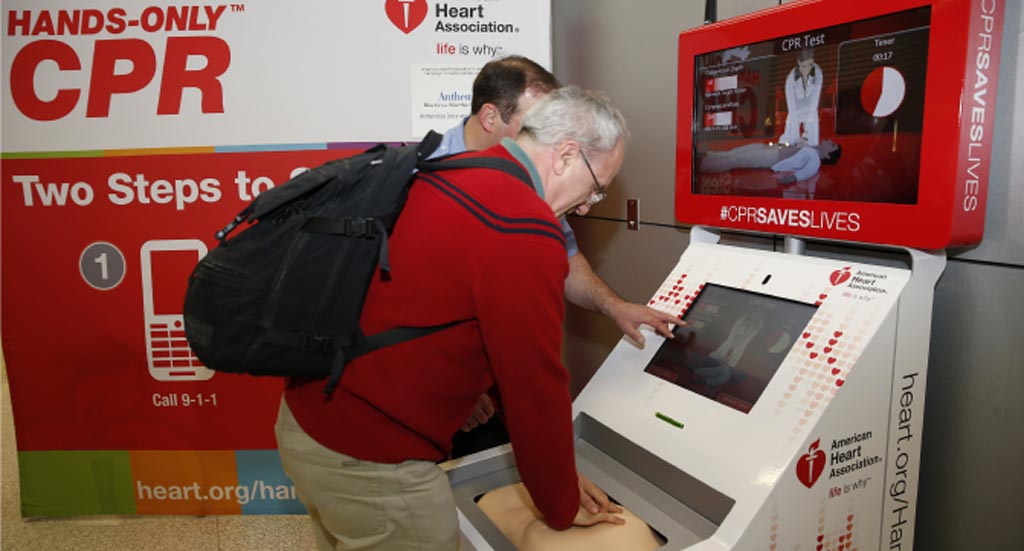
Image: An airport hands-only CPR kiosk (Photo courtesy of the American Heart Association).
A new study reveals that hands-only cardiopulmonary resuscitation (CPR) training kiosks have the potential to increase public participation in out-of-hospital cardiac arrest (OHCA) events.
Researchers at the University of Colorado (Anschutz; Aurora, USA) and the American Heart Association (AHA; Dallas, TX, USA) conducted a randomized study that compared participant scores on hands-only CPR outcome measures after education with a 25-45 minute practice-while-watching classroom session, a four minute kiosk on-screen feedback and practice session, and a one minute video viewing. Study participants took a 30-second test--which included compression rate, depth, and correct hand placement--after the initial training, and again after three months.
The results revealed that after the initial education session, the video-only group had a lower total score on the short test than the classroom group, but there were no significant differences on total test score between classroom and kiosk participants. Additional outcome scores help to explain which components negatively affect total score for each education method, with the video-only group demonstrating lower compression depth scores than the classroom group, and the kiosk group outperforming the classroom group on hand position score, but scoring lower on compression depth score. The study was published on November 12, 2018, in Annals of Emergency Medicine.
“Participants exposed to the kiosk session and those exposed to classroom education performed hands-only CPR similarly, and both groups showed skill performance superior to that of participants watching only a video,” said lead author Debra Heard, PhD, of the AHA. “For a person with little or no medical training, hands-only CPR training kiosks can teach life-saving skills in just minutes. These kiosks have the potential to lower barriers to training, increase the likelihood a bystander would perform CPR, and positively impact the likelihood of survival from cardiac arrest outside of a hospital.”
In 2013, the AHA installed the first kiosk in Dallas-Fort Worth International Airport. Visitors could learn and practice hands-only CPR via a touch-screen video and hands-on practice. Without advertising, the kiosks attracted more than 23,000 visitors in nearly three years. Similar kiosks are now available in 16 airports and 14 other public areas with more than 100,000 people completing the training.
Related Links:
University of Colorado
American Heart Association




Researchers at the University of Colorado (Anschutz; Aurora, USA) and the American Heart Association (AHA; Dallas, TX, USA) conducted a randomized study that compared participant scores on hands-only CPR outcome measures after education with a 25-45 minute practice-while-watching classroom session, a four minute kiosk on-screen feedback and practice session, and a one minute video viewing. Study participants took a 30-second test--which included compression rate, depth, and correct hand placement--after the initial training, and again after three months.
The results revealed that after the initial education session, the video-only group had a lower total score on the short test than the classroom group, but there were no significant differences on total test score between classroom and kiosk participants. Additional outcome scores help to explain which components negatively affect total score for each education method, with the video-only group demonstrating lower compression depth scores than the classroom group, and the kiosk group outperforming the classroom group on hand position score, but scoring lower on compression depth score. The study was published on November 12, 2018, in Annals of Emergency Medicine.
“Participants exposed to the kiosk session and those exposed to classroom education performed hands-only CPR similarly, and both groups showed skill performance superior to that of participants watching only a video,” said lead author Debra Heard, PhD, of the AHA. “For a person with little or no medical training, hands-only CPR training kiosks can teach life-saving skills in just minutes. These kiosks have the potential to lower barriers to training, increase the likelihood a bystander would perform CPR, and positively impact the likelihood of survival from cardiac arrest outside of a hospital.”
In 2013, the AHA installed the first kiosk in Dallas-Fort Worth International Airport. Visitors could learn and practice hands-only CPR via a touch-screen video and hands-on practice. Without advertising, the kiosks attracted more than 23,000 visitors in nearly three years. Similar kiosks are now available in 16 airports and 14 other public areas with more than 100,000 people completing the training.
Related Links:
University of Colorado
American Heart Association

Gold Member
12-Channel ECG
CM1200B
New
X-Ray Generator
Advantage Plus Generators
New
Immobilization System
Cranial 4Pi Immobilization
Latest Critical Care News
- Noninvasive Monitoring Device Enables Earlier Intervention in Heart Failure
- Automated IV Labeling Solution Improves Infusion Safety and Efficiency
- First-Of-Its-Kind AI Tool Detects Pulmonary Hypertension from Standard ECGs
- 4D Digital Twin Heart Model Improves CRT Outcomes
- AI Turns Glucose Data Into Actionable Insights for Diabetes Care
- Microscale Wireless Implant Tracks Brain Activity Over Time
- Smart Mask Delivers Continuous, Battery-Free Breath Monitoring
- Routine Blood Pressure Readings May Identify Risk of Future Cognitive Decline
- CGM-Based Algorithm Enhances Insulin Dose Adjustment in Type 2 Diabetes
- Fish Scale–Based Implants Offer New Approach to Corneal Repair
- Dual-Function Wound Patch Combines Infection Sensing and Treatment
- Smartwatch Signals and Blood Tests Team Up for Early Warning on Insulin Resistance
- Smart Fabric Technology Aims to Prevent Pressure Injuries in Hospital Care
- Standardized Treatment Algorithm Improves Blood Pressure Control
- Combined Infection Control Strategy Limits Drug-Resistant Outbreak in NICU
- AI Helps Predict Which Heart-Failure Patients Will Worsen Within a Year
Channels
Artificial Intelligence
view channel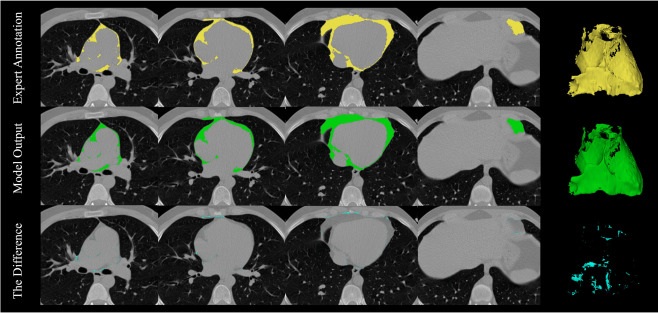
AI Analysis of Pericardial Fat Refines Long-Term Heart Disease Risk
Accurately identifying long-term cardiovascular disease risk in asymptomatic adults remains challenging for clinicians. Missed or underestimated risk delays preventive therapy and increases the chance... Read more
Machine Learning Approach Enhances Liver Cancer Risk Stratification
Hepatocellular carcinoma, the most common form of primary liver cancer, is often detected late despite targeted surveillance programs. Current screening guidelines emphasize patients with known cirrhosis,... Read more

Surgical Techniques
view channel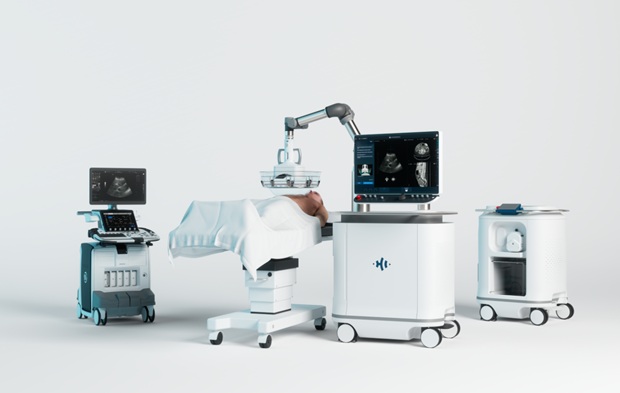
Ultrasound Technology Aims to Replace Invasive BPH Procedures
Benign prostatic hyperplasia (BPH) is a frequent cause of lower urinary tract symptoms in aging men and often requires invasive procedures or prolonged recovery. With prevalence expected to rise as populations... Read more
Continuous Monitoring with Wearables Enhances Postoperative Patient Safety
Postoperative hypoxemia on general surgical wards is common and often missed by intermittent vital sign checks. Undetected low oxygen levels can delay recovery and raise the risk of complications that... Read more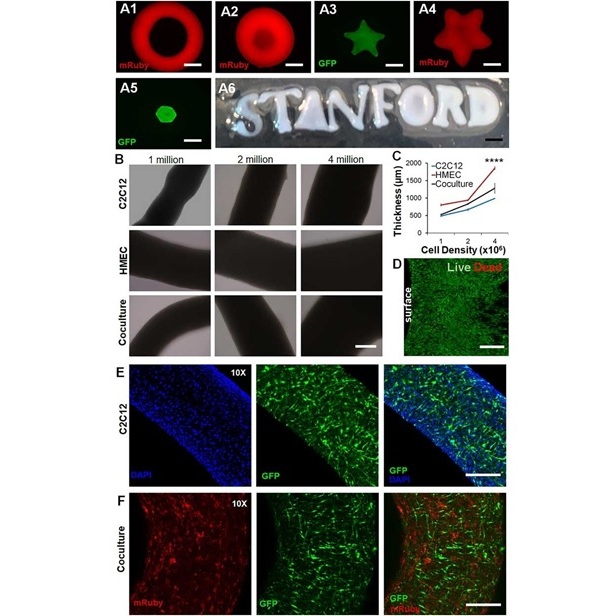
Patient Care
view channel
Wearable Sleep Data Predict Adherence to Pulmonary Rehabilitation
Chronic obstructive pulmonary disease (COPD) is a long-term lung disorder that makes breathing difficult and often disturbs sleep, reducing energy for daily activities. Limited engagement in pulmonary... Read more
Revolutionary Automatic IV-Line Flushing Device to Enhance Infusion Care
More than 80% of in-hospital patients receive intravenous (IV) therapy. Every dose of IV medicine delivered in a small volume (<250 mL) infusion bag should be followed by subsequent flushing to ensure... Read more

Health IT
view channel
EMR-Based Tool Predicts Graft Failure After Kidney Transplant
Kidney transplantation offers patients with end-stage kidney disease longer survival and better quality of life than dialysis, yet graft failure remains a major challenge. Although a successful transplant... Read more
Printable Molecule-Selective Nanoparticles Enable Mass Production of Wearable Biosensors
The future of medicine is likely to focus on the personalization of healthcare—understanding exactly what an individual requires and delivering the appropriate combination of nutrients, metabolites, and... Read more


Business
view channel
GE HealthCare Leads Major European Initiative to Advance Cardio-Oncology Care
Cardiovascular complications are increasingly recognized among people undergoing or recovering from cancer treatment, driven by pre‑existing disease and the cardiotoxic effects of chemotherapy, radiotherapy,... Read more

