






Connected Device Detects Fluid Accumulation in Lungs
|
By HospiMedica International staff writers Posted on 10 Dec 2018 |


|
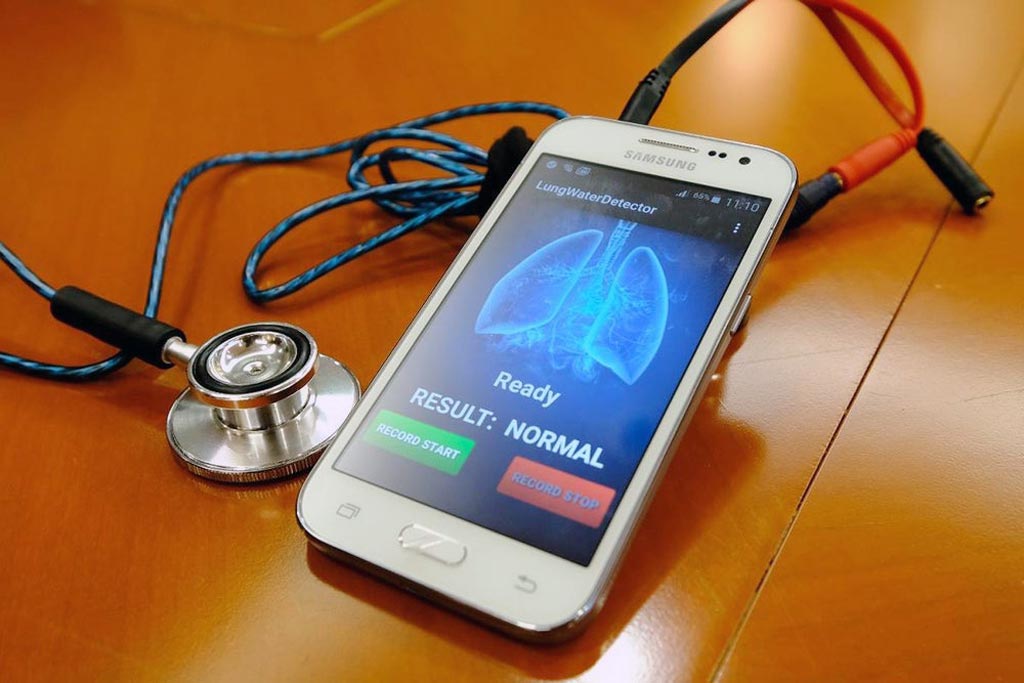
Image: Lung auscultation can detect fluid build in CHF (Photo courtesy of NTU/TTSH).
A portable acoustic sensor enables early intervention in patients with congestive heart failure (CHF) by allowing them to check for excess lung fluids at home.
Developed by researchers at Nanyang Technological University (NTU; Singapore) and Tan Tock Seng Hospital (TTSH; Singapore), the prototype handheld medical device, which resembles a stethoscope, can identify excess fluid in the lungs in just 10 seconds by detecting audible crackles. Depending on the intensity, a crackle may sound like salt added to a hot pan, or like Velcro being torn apart. A smartphone app sends the sounds to a proprietary algorithm stored in the cloud, which than identifies if the patient has fluid accumulation in the lungs.
In a pilot study of the device that examined lung sounds recorded from CHF patients tested at TTSH, the researchers found that the device exhibited 92% accuracy in identifying CHF, comparable to the existing gold standard diagnosis methods, X-rays and computerized tomography (CT) scans. Following the two initial rounds of tests with audio samples collected from 86 patients, the researchers are now running a third round of tests on the device in order to further validate its sensitivity and specificity.
“Our smart medical device can be used by anyone, anywhere and any number of times, which will enable the possibility of early intervention of congestive heart failure,” said project leader Ser Wee, PhD, of the NTU. “The next wave of MedTech start-ups will see the massive proliferation of smart medical devices that rely on artificial intelligence and sensing technologies, such as the one we invented, and that will enable personalized self-assessment and screening of cardiopulmonary and other diseases.”
In CHF, a diseased heart ventricle (usually the left one) cannot pump out enough of the blood it receives from the lungs. This causes pressure to build up in the heart, backing up into the veins and capillaries of the lungs. The pressure build-up pushes fluid through the capillary walls and into the pulmonary air sacs. Currently, patients can only check for fluid accumulation by clinical auscultation, which is noticeably subjective, or through imaging modalities and serum biomarker tests, which are costly and take a longer time.
Related Links:
Nanyang Technological University
Tan Tock Seng Hospital




Developed by researchers at Nanyang Technological University (NTU; Singapore) and Tan Tock Seng Hospital (TTSH; Singapore), the prototype handheld medical device, which resembles a stethoscope, can identify excess fluid in the lungs in just 10 seconds by detecting audible crackles. Depending on the intensity, a crackle may sound like salt added to a hot pan, or like Velcro being torn apart. A smartphone app sends the sounds to a proprietary algorithm stored in the cloud, which than identifies if the patient has fluid accumulation in the lungs.
In a pilot study of the device that examined lung sounds recorded from CHF patients tested at TTSH, the researchers found that the device exhibited 92% accuracy in identifying CHF, comparable to the existing gold standard diagnosis methods, X-rays and computerized tomography (CT) scans. Following the two initial rounds of tests with audio samples collected from 86 patients, the researchers are now running a third round of tests on the device in order to further validate its sensitivity and specificity.
“Our smart medical device can be used by anyone, anywhere and any number of times, which will enable the possibility of early intervention of congestive heart failure,” said project leader Ser Wee, PhD, of the NTU. “The next wave of MedTech start-ups will see the massive proliferation of smart medical devices that rely on artificial intelligence and sensing technologies, such as the one we invented, and that will enable personalized self-assessment and screening of cardiopulmonary and other diseases.”
In CHF, a diseased heart ventricle (usually the left one) cannot pump out enough of the blood it receives from the lungs. This causes pressure to build up in the heart, backing up into the veins and capillaries of the lungs. The pressure build-up pushes fluid through the capillary walls and into the pulmonary air sacs. Currently, patients can only check for fluid accumulation by clinical auscultation, which is noticeably subjective, or through imaging modalities and serum biomarker tests, which are costly and take a longer time.
Related Links:
Nanyang Technological University
Tan Tock Seng Hospital

New
Gold Member
Handheld Blood Glucose Analyzer
STAT-Site
New
Medical Adhesive
MED 5570U
New
Multi-Chamber Washer-Disinfector
WD 390
Latest Health IT News
- Voice-Driven AI System Enables Structured GI Procedure Documentation
- EMR-Based Tool Predicts Graft Failure After Kidney Transplant
- Printable Molecule-Selective Nanoparticles Enable Mass Production of Wearable Biosensors
- Smartwatches Could Detect Congestive Heart Failure
- Versatile Smart Patch Combines Health Monitoring and Drug Delivery
Channels
Artificial Intelligence
view channel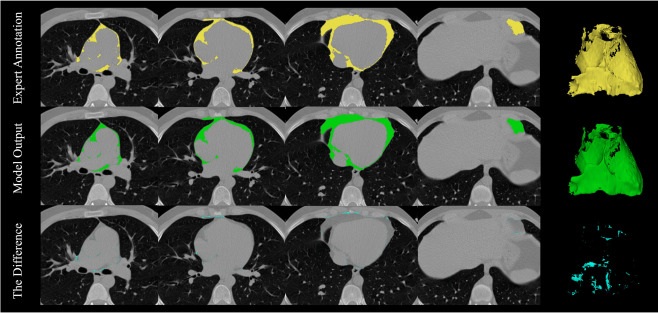
AI Analysis of Pericardial Fat Refines Long-Term Heart Disease Risk
Accurately identifying long-term cardiovascular disease risk in asymptomatic adults remains challenging for clinicians. Missed or underestimated risk delays preventive therapy and increases the chance... Read more
Machine Learning Approach Enhances Liver Cancer Risk Stratification
Hepatocellular carcinoma, the most common form of primary liver cancer, is often detected late despite targeted surveillance programs. Current screening guidelines emphasize patients with known cirrhosis,... Read more

Surgical Techniques
view channel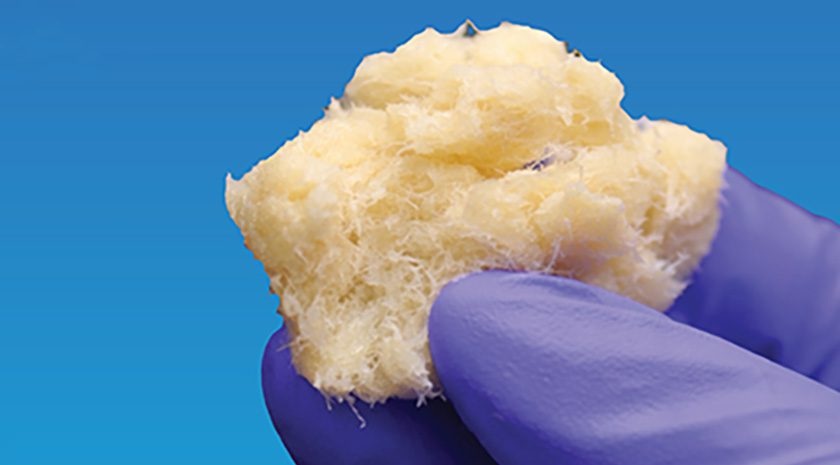
Fiber-Form Bone Graft Expands Intraoperative Options for Spinal Fusion
Spinal and orthopedic fusion procedures often require bone graft materials that handle predictably and support bone formation. Surgeons face added complexity in difficult anatomy and challenging fusion environments.... Read more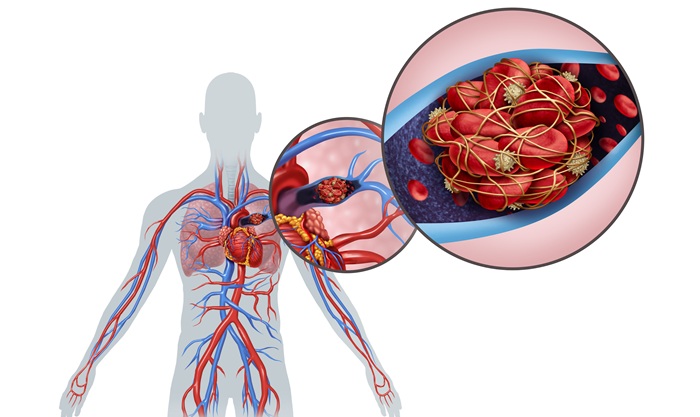
Ultrasound‑Aided Catheter Treatment Cuts Early Collapse in Pulmonary Embolism
Acute pulmonary embolism can cause rapid hemodynamic deterioration and early death in hospitalized and emergency patients. Systemic thrombolysis can dissolve clots but is limited by a high risk of major... Read more

Patient Care
view channel
Wearable Sleep Data Predict Adherence to Pulmonary Rehabilitation
Chronic obstructive pulmonary disease (COPD) is a long-term lung disorder that makes breathing difficult and often disturbs sleep, reducing energy for daily activities. Limited engagement in pulmonary... Read more
Revolutionary Automatic IV-Line Flushing Device to Enhance Infusion Care
More than 80% of in-hospital patients receive intravenous (IV) therapy. Every dose of IV medicine delivered in a small volume (<250 mL) infusion bag should be followed by subsequent flushing to ensure... Read more

Health IT
view channel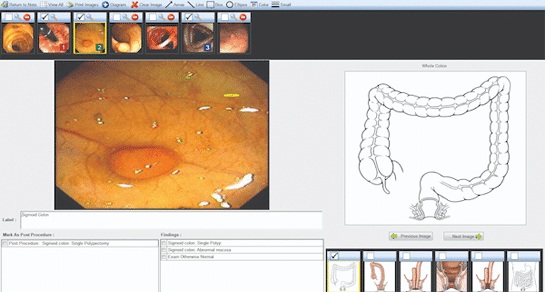
Voice-Driven AI System Enables Structured GI Procedure Documentation
Documentation during gastrointestinal (GI) procedures often competes with real-time clinical decision-making and imposes a significant cognitive burden on physicians. Manual data entry and post-procedure... Read more
EMR-Based Tool Predicts Graft Failure After Kidney Transplant
Kidney transplantation offers patients with end-stage kidney disease longer survival and better quality of life than dialysis, yet graft failure remains a major challenge. Although a successful transplant... Read more
Printable Molecule-Selective Nanoparticles Enable Mass Production of Wearable Biosensors
The future of medicine is likely to focus on the personalization of healthcare—understanding exactly what an individual requires and delivering the appropriate combination of nutrients, metabolites, and... Read more

Business
view channel
GE HealthCare Leads Major European Initiative to Advance Cardio-Oncology Care
Cardiovascular complications are increasingly recognized among people undergoing or recovering from cancer treatment, driven by pre‑existing disease and the cardiotoxic effects of chemotherapy, radiotherapy,... Read more

