






New AI Software Reconstructs Images in Real-Time
|
By HospiMedica International staff writers Posted on 25 Dec 2018 |


|
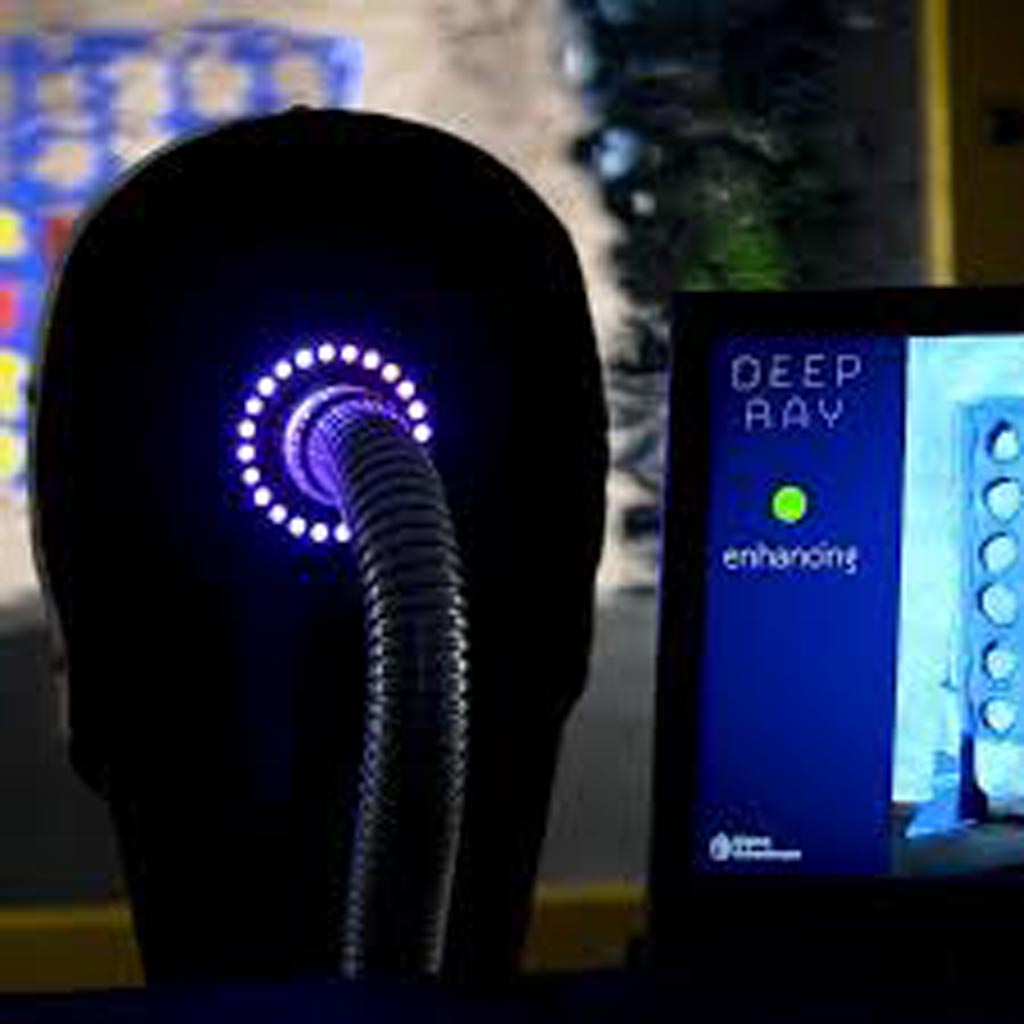
Image: DeepRay creates clear, undistorted views of the real world from a damaged or obscured moving image (Photo courtesy of Cambridge Consultants).
Scientists at Cambridge Consultants (Cambridge, UK) have developed an Artificial Intelligence (AI) technology that creates clear, undistorted views of the real world from a damaged or obscured moving image. Based on recent advances in deep learning, the solution named DeepRay has the power to see clearly in difficult, unpredictable situations and could transform numerous machine vision and imaging applications, from autonomous driving to empowering healthcare professionals with more accurate medical imaging.
Cambridge Consultants, a breakthrough innovation specialist, helps its healthcare clients develop robust, scalable platforms capable of handling large amounts of data from devices, leveraging recent advancements in connectivity, data science, machine learning and digital services. DeepRay is the latest technology to emerge from the company’s Digital Greenhouse, a unique experimental environment where data scientists and engineers explore and cultivate cutting-edge deep learning techniques.
In recent years, machine vision systems have progressed rapidly, although their performance can quickly deteriorate if a view is obscured by rain, smoke, dirt or other obstructions. This has serious implications for real-world applications where image quality can be degraded by environmental factors or damage to camera-based systems. DeepRay learns what real-world scenes and objects look like and also how they appear with various image distortions applied. When presented with a distorted image it has never seen before, the technology can then form a real-time judgment of the ‘true’ scene behind the distortion. Having this “mind’s eye” ability allows DeepRay to outperform humans and existing machine vision approaches in reconstructing clear images under difficult conditions.
“Never before has a new technology enabled machines to interpret real-world scenes the way humans can – and DeepRay can potentially outperform the human eye. This takes us into a new era of image sensing and will give flight to applications in many industries, including automotive, agritech and healthcare,” said Tim Ensor, Commercial Director for Artificial Intelligence at Cambridge Consultants. “The ability to construct a clear view of the world from live video, in the presence of continually changing distortion such as rain, mist or smoke, is transformational. We’re excited to be at the leading edge of developments in AI. DeepRay shows us making the leap from the art of the possible, to delivering breakthrough innovation with significant impact on our client’s businesses.”
Related Links:
Cambridge Consultants







Cambridge Consultants, a breakthrough innovation specialist, helps its healthcare clients develop robust, scalable platforms capable of handling large amounts of data from devices, leveraging recent advancements in connectivity, data science, machine learning and digital services. DeepRay is the latest technology to emerge from the company’s Digital Greenhouse, a unique experimental environment where data scientists and engineers explore and cultivate cutting-edge deep learning techniques.
In recent years, machine vision systems have progressed rapidly, although their performance can quickly deteriorate if a view is obscured by rain, smoke, dirt or other obstructions. This has serious implications for real-world applications where image quality can be degraded by environmental factors or damage to camera-based systems. DeepRay learns what real-world scenes and objects look like and also how they appear with various image distortions applied. When presented with a distorted image it has never seen before, the technology can then form a real-time judgment of the ‘true’ scene behind the distortion. Having this “mind’s eye” ability allows DeepRay to outperform humans and existing machine vision approaches in reconstructing clear images under difficult conditions.
“Never before has a new technology enabled machines to interpret real-world scenes the way humans can – and DeepRay can potentially outperform the human eye. This takes us into a new era of image sensing and will give flight to applications in many industries, including automotive, agritech and healthcare,” said Tim Ensor, Commercial Director for Artificial Intelligence at Cambridge Consultants. “The ability to construct a clear view of the world from live video, in the presence of continually changing distortion such as rain, mist or smoke, is transformational. We’re excited to be at the leading edge of developments in AI. DeepRay shows us making the leap from the art of the possible, to delivering breakthrough innovation with significant impact on our client’s businesses.”
Related Links:
Cambridge Consultants

Gold Member
STI Test
Vivalytic Sexually Transmitted Infection (STI) Array
New
Blood Pressure Monitor
Cuff Blood Pressure Monitor
New
Hypodermic Syringe
SurTract™ Safety Syringe
Latest AI News
- AI Analysis of Pericardial Fat Refines Long-Term Heart Disease Risk
- Machine Learning Approach Enhances Liver Cancer Risk Stratification
- New AI Approach Monitors Brain Health Using Passive Wearable Data
- AI Tool Maps Early Risk Patterns in Bloodstream Infections
- AI Model Identifies Rare Endocrine Disorder from Hand Images
- AI Tool Promises to Reduce Length of Hospital Stays and Free Up Beds
Channels
Artificial Intelligence
view channel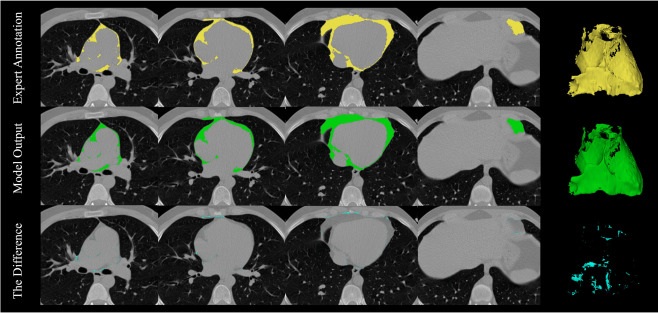
AI Analysis of Pericardial Fat Refines Long-Term Heart Disease Risk
Accurately identifying long-term cardiovascular disease risk in asymptomatic adults remains challenging for clinicians. Missed or underestimated risk delays preventive therapy and increases the chance... Read more
Machine Learning Approach Enhances Liver Cancer Risk Stratification
Hepatocellular carcinoma, the most common form of primary liver cancer, is often detected late despite targeted surveillance programs. Current screening guidelines emphasize patients with known cirrhosis,... Read more

Critical Care
view channel
Noninvasive Monitoring Device Enables Earlier Intervention in Heart Failure
Hospitalizations for heart failure with preserved ejection fraction (HFpEF) remain common because lung congestion often worsens before symptoms prompt treatment changes. Missed early decompensation... Read more
Automated IV Labeling Solution Improves Infusion Safety and Efficiency
Medication administration in high-acuity settings is often complicated by multiple concurrent infusions, making accurate line identification essential. In a 10-hospital intensive care unit study, 60% of... Read more

Surgical Techniques
view channel
Ultrasound‑Aided Catheter Treatment Cuts Early Collapse in Pulmonary Embolism
Acute pulmonary embolism can cause rapid hemodynamic deterioration and early death in hospitalized and emergency patients. Systemic thrombolysis can dissolve clots but is limited by a high risk of major... Read more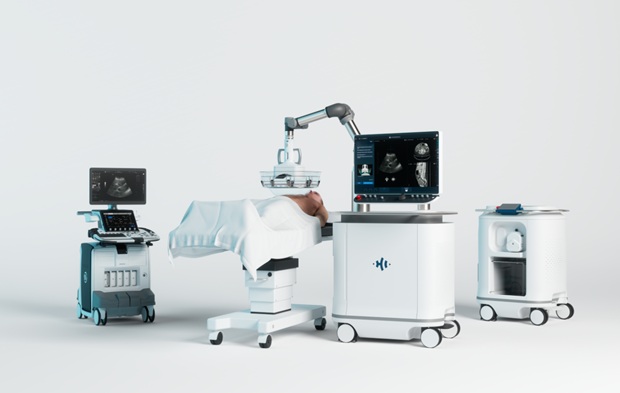
Ultrasound Technology Aims to Replace Invasive BPH Procedures
Benign prostatic hyperplasia (BPH) is a frequent cause of lower urinary tract symptoms in aging men and often requires invasive procedures or prolonged recovery. With prevalence expected to rise as populations... Read more
Patient Care
view channel
Wearable Sleep Data Predict Adherence to Pulmonary Rehabilitation
Chronic obstructive pulmonary disease (COPD) is a long-term lung disorder that makes breathing difficult and often disturbs sleep, reducing energy for daily activities. Limited engagement in pulmonary... Read more
Revolutionary Automatic IV-Line Flushing Device to Enhance Infusion Care
More than 80% of in-hospital patients receive intravenous (IV) therapy. Every dose of IV medicine delivered in a small volume (<250 mL) infusion bag should be followed by subsequent flushing to ensure... Read more

Health IT
view channel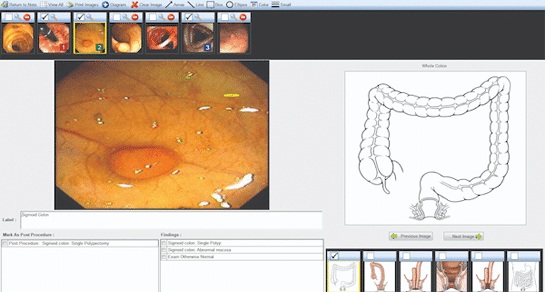
Voice-Driven AI System Enables Structured GI Procedure Documentation
Documentation during gastrointestinal (GI) procedures often competes with real-time clinical decision-making and imposes a significant cognitive burden on physicians. Manual data entry and post-procedure... Read more
EMR-Based Tool Predicts Graft Failure After Kidney Transplant
Kidney transplantation offers patients with end-stage kidney disease longer survival and better quality of life than dialysis, yet graft failure remains a major challenge. Although a successful transplant... Read more
Printable Molecule-Selective Nanoparticles Enable Mass Production of Wearable Biosensors
The future of medicine is likely to focus on the personalization of healthcare—understanding exactly what an individual requires and delivering the appropriate combination of nutrients, metabolites, and... Read more

Business
view channel
GE HealthCare Leads Major European Initiative to Advance Cardio-Oncology Care
Cardiovascular complications are increasingly recognized among people undergoing or recovering from cancer treatment, driven by pre‑existing disease and the cardiotoxic effects of chemotherapy, radiotherapy,... Read more

