






Largest AI-Powered Medical Research Network Launched
|
By HospiMedica International staff writers Posted on 27 Dec 2018 |


|
The newly launched OWKIN (New York, NY, USA) Loop Network, which includes over 30 leading international hospitals and research institutions across the United States and Europe, has been designed to help researchers train predictive models on real-world data at scale, and transfer the accrued knowledge to a collective intelligence. Members include Cleveland Clinic (OH, USA), Mount Sinai (New York, NY, USA), and Groupe AP-HP, a cluster of 39 hospitals in France, among others.
The Loop Network thus creates an ecosystem that shares the collective knowledge, benefitting research organizations, partner hospitals, and pharmaceutical companies in advancing research and development in oncology, cardiovascular, neurodegenerative, and autoimmune diseases. Projects undertaken by the network include the training of a predictive model identifying new quantitative biomarkers associated with prognosis in a rare cancer, the prediction of brain age from magnetic resonance imaging (MRI), and prediction of gene expression profiles from slide images as a marker of response to immunotherapy.
“Access to patient data is critical for improving medical research, but the current patient data brokerage system hinders knowledge-sharing and risks patient data privacy, resulting in knowledge silos at individual hospitals,” said Thomas Clozel, MD, co-founder and CEO of OWKIN. “If we can transform the world’s clinical data into broadly accessible research knowledge, we believe we can fundamentally advance medical research and have an incredibly powerful impact on solving the most important medical challenges.”
“We are excited to be working with OWKIN to apply AI algorithms to clinical data for mesothelioma research,” said Françoise Galateau-Sallé, MD, principal investigator at Centre Léon Bérard (Lyon, France). “AI models identified a new subgroup of patients that are poor responders to the standard of care and potential good candidates for immunotherapy.”
Related Links:
OWKIN
Centre Léon Bérard





The Loop Network thus creates an ecosystem that shares the collective knowledge, benefitting research organizations, partner hospitals, and pharmaceutical companies in advancing research and development in oncology, cardiovascular, neurodegenerative, and autoimmune diseases. Projects undertaken by the network include the training of a predictive model identifying new quantitative biomarkers associated with prognosis in a rare cancer, the prediction of brain age from magnetic resonance imaging (MRI), and prediction of gene expression profiles from slide images as a marker of response to immunotherapy.
“Access to patient data is critical for improving medical research, but the current patient data brokerage system hinders knowledge-sharing and risks patient data privacy, resulting in knowledge silos at individual hospitals,” said Thomas Clozel, MD, co-founder and CEO of OWKIN. “If we can transform the world’s clinical data into broadly accessible research knowledge, we believe we can fundamentally advance medical research and have an incredibly powerful impact on solving the most important medical challenges.”
“We are excited to be working with OWKIN to apply AI algorithms to clinical data for mesothelioma research,” said Françoise Galateau-Sallé, MD, principal investigator at Centre Léon Bérard (Lyon, France). “AI models identified a new subgroup of patients that are poor responders to the standard of care and potential good candidates for immunotherapy.”
Related Links:
OWKIN
Centre Léon Bérard

New
Gold Member
Handheld Blood Glucose Analyzer
STAT-Site
New
POC Respiratory/Sore Throat Test
BIOFIRE SPOTFIRE (R/ST) Panel
New
Surgical System
Stealth AXiS
Latest Health IT News
- Voice-Driven AI System Enables Structured GI Procedure Documentation
- EMR-Based Tool Predicts Graft Failure After Kidney Transplant
- Printable Molecule-Selective Nanoparticles Enable Mass Production of Wearable Biosensors
- Smartwatches Could Detect Congestive Heart Failure
- Versatile Smart Patch Combines Health Monitoring and Drug Delivery
Channels
Artificial Intelligence
view channel
AI Analysis of Pericardial Fat Refines Long-Term Heart Disease Risk
Accurately identifying long-term cardiovascular disease risk in asymptomatic adults remains challenging for clinicians. Missed or underestimated risk delays preventive therapy and increases the chance... Read more
Machine Learning Approach Enhances Liver Cancer Risk Stratification
Hepatocellular carcinoma, the most common form of primary liver cancer, is often detected late despite targeted surveillance programs. Current screening guidelines emphasize patients with known cirrhosis,... Read more

Critical Care
view channel
Eye Imaging AI Identifies Elevated Cardiovascular Risk
Many adults at risk for atherosclerotic cardiovascular disease are not identified until they undergo formal primary care assessment. Delayed risk recognition can postpone initiation of statins and lifestyle... Read more
Noninvasive Monitoring Device Enables Earlier Intervention in Heart Failure
Hospitalizations for heart failure with preserved ejection fraction (HFpEF) remain common because lung congestion often worsens before symptoms prompt treatment changes. Missed early decompensation... Read more

Surgical Techniques
view channel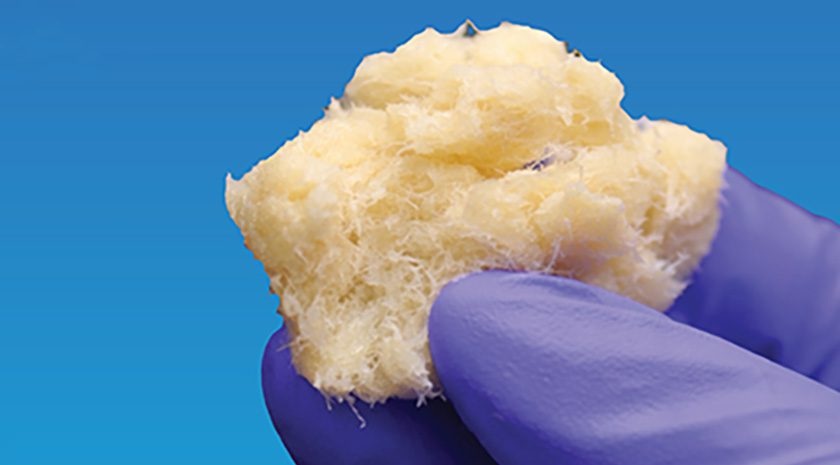
Fiber-Form Bone Graft Expands Intraoperative Options for Spinal Fusion
Spinal and orthopedic fusion procedures often require bone graft materials that handle predictably and support bone formation. Surgeons face added complexity in difficult anatomy and challenging fusion environments.... Read more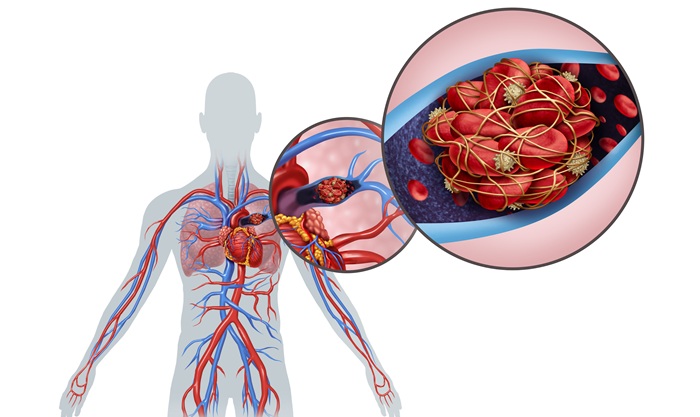
Ultrasound‑Aided Catheter Treatment Cuts Early Collapse in Pulmonary Embolism
Acute pulmonary embolism can cause rapid hemodynamic deterioration and early death in hospitalized and emergency patients. Systemic thrombolysis can dissolve clots but is limited by a high risk of major... Read more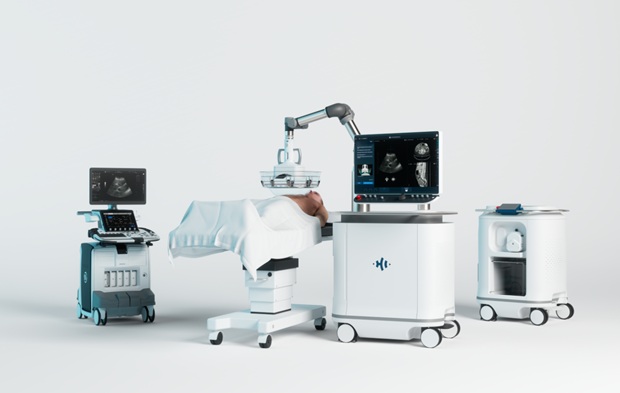

Patient Care
view channel
Wearable Sleep Data Predict Adherence to Pulmonary Rehabilitation
Chronic obstructive pulmonary disease (COPD) is a long-term lung disorder that makes breathing difficult and often disturbs sleep, reducing energy for daily activities. Limited engagement in pulmonary... Read more
Revolutionary Automatic IV-Line Flushing Device to Enhance Infusion Care
More than 80% of in-hospital patients receive intravenous (IV) therapy. Every dose of IV medicine delivered in a small volume (<250 mL) infusion bag should be followed by subsequent flushing to ensure... Read more


Business
view channel
GE HealthCare Leads Major European Initiative to Advance Cardio-Oncology Care
Cardiovascular complications are increasingly recognized among people undergoing or recovering from cancer treatment, driven by pre‑existing disease and the cardiotoxic effects of chemotherapy, radiotherapy,... Read more

