






Dräger Highlights Latest Technologies and Products at Arab Health
|
By HospiMedica International staff writers Posted on 28 Dec 2018 |


|
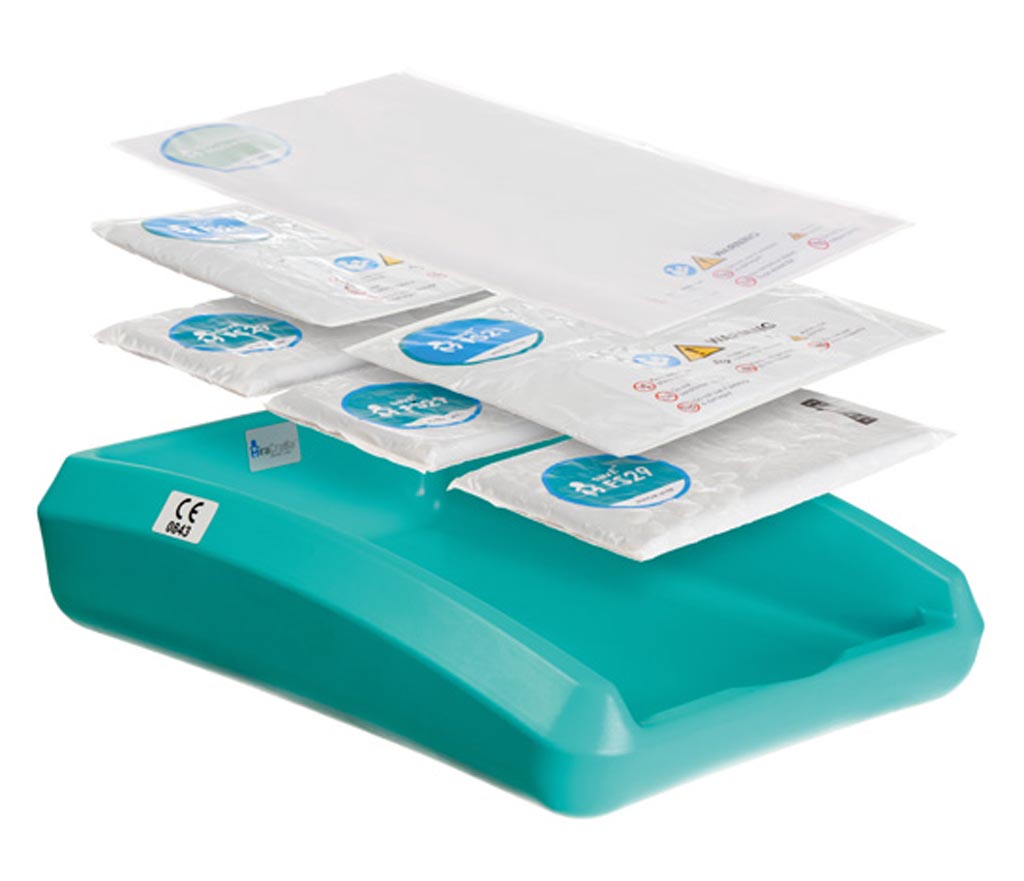
Image: Among the new products launched was the MiraCradle, an affordable cooling device to induce therapeutic hypothermia among newborns suffering from birth asphyxia (Photo courtesy of Dräger).
Dräger AG & Co. KGaA (Lübeck, Germany) highlighted its latest technologies, products and services in acute care at Arab Health 2019. The company also launched the new MiraCradle, an affordable cooling device to induce therapeutic hypothermia among newborns suffering from birth asphyxia.
At Arab Health 2019, Dräger highlighted its first IncuWarmer, Babyleo TN500 that provides optimal thermoregulation for neonates in open care, closed care and transition. With the combination of three heat sources, the device protects little patients so they can grow while making workflow easier with quick and comfortable access to the baby. Dräger also highlighted the Perseus A500 anesthesia machine which combines proven ventilation technology with the latest refinements in ergonomics and systems integration with an advanced anesthesia platform to streamline anesthesia workflow. The company also promoted Evita V300, a scalable and versatile device that offers high ventilation quality to meet the changing conditions and challenges of everyday hospital work.
Dräger also highlighted its Infinity Acute Care System, a multi-parameter monitor that integrates with its networked medical-grade workstation, giving real-time vital signs, access to clinical hospital systems and data management applications for a comprehensive range of patient information and powerful analysis tools at the point-of-care. Other products showcased by Dräger at the event included Prana, a perfect combination of highly durable medical supply units which are convenient and safe and can be customized to suit individual needs; and its state-of-the-art OR light Polaris 600 featuring intuitive controls and versatile configuration options.
At Arab Health 2019, Dräger also launched MiraCradle, a CE marked neonatal cooler that enables controlled cooling of newborn infants to support therapeutic hypothermia (TH) for birth asphyxia. MiraCradle has been developed with proprietary Phase Change Material (PCM) to maintain the temperature of the infant at 33–34°C (91.4–93.2 F) for the entire treatment duration of 72 hours, consistent with current best practices in treatment. Leveraging sophistication in material engineering, the product offers temperature specificity provided by current servo-devices at less than one fifth of the cost.




At Arab Health 2019, Dräger highlighted its first IncuWarmer, Babyleo TN500 that provides optimal thermoregulation for neonates in open care, closed care and transition. With the combination of three heat sources, the device protects little patients so they can grow while making workflow easier with quick and comfortable access to the baby. Dräger also highlighted the Perseus A500 anesthesia machine which combines proven ventilation technology with the latest refinements in ergonomics and systems integration with an advanced anesthesia platform to streamline anesthesia workflow. The company also promoted Evita V300, a scalable and versatile device that offers high ventilation quality to meet the changing conditions and challenges of everyday hospital work.
Dräger also highlighted its Infinity Acute Care System, a multi-parameter monitor that integrates with its networked medical-grade workstation, giving real-time vital signs, access to clinical hospital systems and data management applications for a comprehensive range of patient information and powerful analysis tools at the point-of-care. Other products showcased by Dräger at the event included Prana, a perfect combination of highly durable medical supply units which are convenient and safe and can be customized to suit individual needs; and its state-of-the-art OR light Polaris 600 featuring intuitive controls and versatile configuration options.
At Arab Health 2019, Dräger also launched MiraCradle, a CE marked neonatal cooler that enables controlled cooling of newborn infants to support therapeutic hypothermia (TH) for birth asphyxia. MiraCradle has been developed with proprietary Phase Change Material (PCM) to maintain the temperature of the infant at 33–34°C (91.4–93.2 F) for the entire treatment duration of 72 hours, consistent with current best practices in treatment. Leveraging sophistication in material engineering, the product offers temperature specificity provided by current servo-devices at less than one fifth of the cost.

Gold Member
STI Test
Vivalytic Sexually Transmitted Infection (STI) Array
New
Wound Irrigation Solution
Prontosan®
New
Syringe Pump
SP50 Series
Latest Point of Care News
Channels
Artificial Intelligence
view channel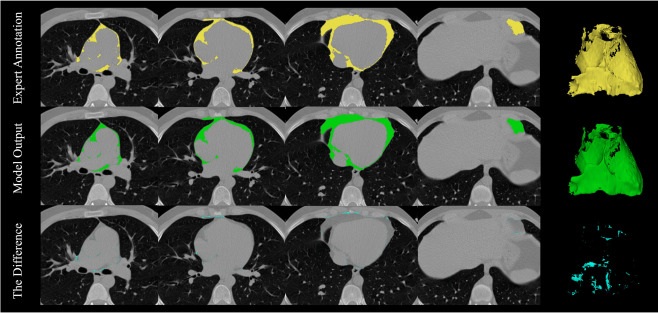
AI Analysis of Pericardial Fat Refines Long-Term Heart Disease Risk
Accurately identifying long-term cardiovascular disease risk in asymptomatic adults remains challenging for clinicians. Missed or underestimated risk delays preventive therapy and increases the chance... Read more
Machine Learning Approach Enhances Liver Cancer Risk Stratification
Hepatocellular carcinoma, the most common form of primary liver cancer, is often detected late despite targeted surveillance programs. Current screening guidelines emphasize patients with known cirrhosis,... Read more

Critical Care
view channel
Noninvasive Monitoring Device Enables Earlier Intervention in Heart Failure
Hospitalizations for heart failure with preserved ejection fraction (HFpEF) remain common because lung congestion often worsens before symptoms prompt treatment changes. Missed early decompensation... Read more
Automated IV Labeling Solution Improves Infusion Safety and Efficiency
Medication administration in high-acuity settings is often complicated by multiple concurrent infusions, making accurate line identification essential. In a 10-hospital intensive care unit study, 60% of... Read more

Surgical Techniques
view channel
Ultrasound Technology Aims to Replace Invasive BPH Procedures
Benign prostatic hyperplasia (BPH) is a frequent cause of lower urinary tract symptoms in aging men and often requires invasive procedures or prolonged recovery. With prevalence expected to rise as populations... Read more
Continuous Monitoring with Wearables Enhances Postoperative Patient Safety
Postoperative hypoxemia on general surgical wards is common and often missed by intermittent vital sign checks. Undetected low oxygen levels can delay recovery and raise the risk of complications that... Read more

Patient Care
view channel
Wearable Sleep Data Predict Adherence to Pulmonary Rehabilitation
Chronic obstructive pulmonary disease (COPD) is a long-term lung disorder that makes breathing difficult and often disturbs sleep, reducing energy for daily activities. Limited engagement in pulmonary... Read more
Revolutionary Automatic IV-Line Flushing Device to Enhance Infusion Care
More than 80% of in-hospital patients receive intravenous (IV) therapy. Every dose of IV medicine delivered in a small volume (<250 mL) infusion bag should be followed by subsequent flushing to ensure... Read more

Health IT
view channel
EMR-Based Tool Predicts Graft Failure After Kidney Transplant
Kidney transplantation offers patients with end-stage kidney disease longer survival and better quality of life than dialysis, yet graft failure remains a major challenge. Although a successful transplant... Read more
Printable Molecule-Selective Nanoparticles Enable Mass Production of Wearable Biosensors
The future of medicine is likely to focus on the personalization of healthcare—understanding exactly what an individual requires and delivering the appropriate combination of nutrients, metabolites, and... Read more

Business
view channel
GE HealthCare Leads Major European Initiative to Advance Cardio-Oncology Care
Cardiovascular complications are increasingly recognized among people undergoing or recovering from cancer treatment, driven by pre‑existing disease and the cardiotoxic effects of chemotherapy, radiotherapy,... Read more

