






AI Algorithm Analyzes Daily Activities in People with Dementia
|
By HospiMedica International staff writers Posted on 29 Jan 2019 |


|
Artificial intelligence (AI) can be used to remotely monitor people with dementia living at home, helping to identify health problems such as urinary tract infections (UTIs).
Researchers at the University of Surrey (Guildford, United Kingdom) and Surrey and Borders Partnership NHS Foundation Trust (SABP; Leatherhead, United Kingdom) developed the system, which relies on a network of internet enabled devices such as environmental and activity monitoring sensors, and vital body signal monitoring devices. Data streamed from these devices is analyzed using machine-learning solutions, and identified health problems are flagged on a digital dashboard and followed up by a clinical monitoring team.
For the study, the researchers used non-negative matrix factorization (NMF) to find hidden clues of possible UTI cases; they then applied novel machine learning algorithms to identify early UTI symptoms and signs. In addition, they designed an algorithm for detecting changes in activity patterns to identify early symptoms of cognitive decline or health decline, using an isolation forest (iForest) technique to create a holistic view of the daily activity patterns. The study was published on January 19, 2018, in PLOS One.
“Urinary tract infections are one of the most common reasons why people living with dementia go into hospital. We have developed a tool that is able to identify the risk of UTIs so it is then possible to treat them early,” said professor of machine intelligence Payam Barnaghi, PhD, of the University of Surrey’s Centre for Vision, Speech and Signal Processing (CVSSP) unit. “We are confident our algorithm will be a valuable tool for healthcare professionals, allowing them to produce more effective and personalized plans for patients.”
“The Technology Integrated Health Management (TIHM) for dementia study is a collaborative project that has brought together the NHS, academia, and industry to transform support for people with dementia living at home and their carers. Our aim has been to create an Internet of Things led system that uses machine learning to alert our clinicians to potential health problems that we can step in and treat early,” said Professor Helen Rostill, director of innovation and development at SABP. “The system helps to improve the lives of people with dementia and their carers and could also reduce pressure on the NHS.”
Related Links:
University of Surrey
Surrey and Borders Partnership NHS Foundation Trust





Researchers at the University of Surrey (Guildford, United Kingdom) and Surrey and Borders Partnership NHS Foundation Trust (SABP; Leatherhead, United Kingdom) developed the system, which relies on a network of internet enabled devices such as environmental and activity monitoring sensors, and vital body signal monitoring devices. Data streamed from these devices is analyzed using machine-learning solutions, and identified health problems are flagged on a digital dashboard and followed up by a clinical monitoring team.
For the study, the researchers used non-negative matrix factorization (NMF) to find hidden clues of possible UTI cases; they then applied novel machine learning algorithms to identify early UTI symptoms and signs. In addition, they designed an algorithm for detecting changes in activity patterns to identify early symptoms of cognitive decline or health decline, using an isolation forest (iForest) technique to create a holistic view of the daily activity patterns. The study was published on January 19, 2018, in PLOS One.
“Urinary tract infections are one of the most common reasons why people living with dementia go into hospital. We have developed a tool that is able to identify the risk of UTIs so it is then possible to treat them early,” said professor of machine intelligence Payam Barnaghi, PhD, of the University of Surrey’s Centre for Vision, Speech and Signal Processing (CVSSP) unit. “We are confident our algorithm will be a valuable tool for healthcare professionals, allowing them to produce more effective and personalized plans for patients.”
“The Technology Integrated Health Management (TIHM) for dementia study is a collaborative project that has brought together the NHS, academia, and industry to transform support for people with dementia living at home and their carers. Our aim has been to create an Internet of Things led system that uses machine learning to alert our clinicians to potential health problems that we can step in and treat early,” said Professor Helen Rostill, director of innovation and development at SABP. “The system helps to improve the lives of people with dementia and their carers and could also reduce pressure on the NHS.”
Related Links:
University of Surrey
Surrey and Borders Partnership NHS Foundation Trust

New
Gold Member
Neonatal Heel Incision Device
Tenderfoot
New
Hybrid Arch Device
Neo EDE
New
POC Respiratory/Sore Throat Test
BIOFIRE SPOTFIRE (R/ST) Panel
Latest AI News
- AI Analysis of Pericardial Fat Refines Long-Term Heart Disease Risk
- Machine Learning Approach Enhances Liver Cancer Risk Stratification
- New AI Approach Monitors Brain Health Using Passive Wearable Data
- AI Tool Maps Early Risk Patterns in Bloodstream Infections
- AI Model Identifies Rare Endocrine Disorder from Hand Images
- AI Tool Promises to Reduce Length of Hospital Stays and Free Up Beds
Channels
Artificial Intelligence
view channel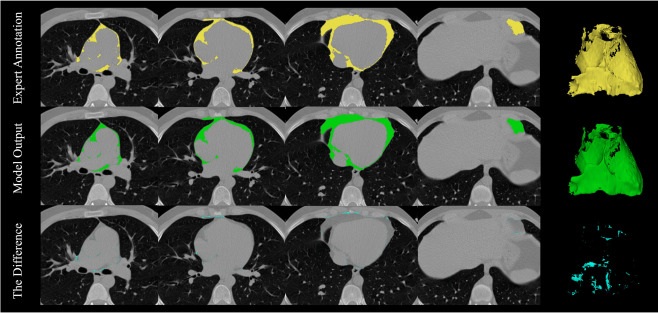
AI Analysis of Pericardial Fat Refines Long-Term Heart Disease Risk
Accurately identifying long-term cardiovascular disease risk in asymptomatic adults remains challenging for clinicians. Missed or underestimated risk delays preventive therapy and increases the chance... Read more
Machine Learning Approach Enhances Liver Cancer Risk Stratification
Hepatocellular carcinoma, the most common form of primary liver cancer, is often detected late despite targeted surveillance programs. Current screening guidelines emphasize patients with known cirrhosis,... Read more

Critical Care
view channel
Noninvasive Monitoring Device Enables Earlier Intervention in Heart Failure
Hospitalizations for heart failure with preserved ejection fraction (HFpEF) remain common because lung congestion often worsens before symptoms prompt treatment changes. Missed early decompensation... Read more
Automated IV Labeling Solution Improves Infusion Safety and Efficiency
Medication administration in high-acuity settings is often complicated by multiple concurrent infusions, making accurate line identification essential. In a 10-hospital intensive care unit study, 60% of... Read more

Surgical Techniques
view channel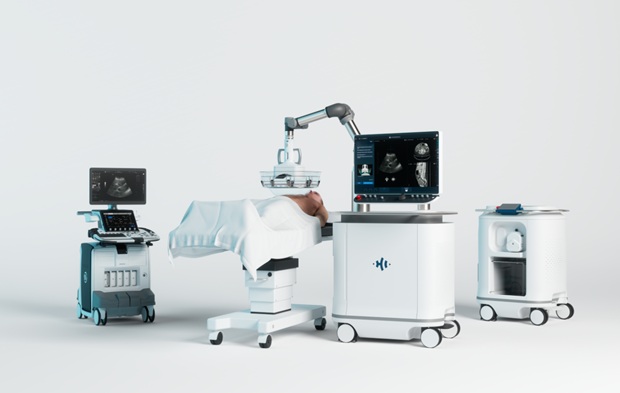
Ultrasound Technology Aims to Replace Invasive BPH Procedures
Benign prostatic hyperplasia (BPH) is a frequent cause of lower urinary tract symptoms in aging men and often requires invasive procedures or prolonged recovery. With prevalence expected to rise as populations... Read more
Continuous Monitoring with Wearables Enhances Postoperative Patient Safety
Postoperative hypoxemia on general surgical wards is common and often missed by intermittent vital sign checks. Undetected low oxygen levels can delay recovery and raise the risk of complications that... Read more
Patient Care
view channel
Wearable Sleep Data Predict Adherence to Pulmonary Rehabilitation
Chronic obstructive pulmonary disease (COPD) is a long-term lung disorder that makes breathing difficult and often disturbs sleep, reducing energy for daily activities. Limited engagement in pulmonary... Read more
Revolutionary Automatic IV-Line Flushing Device to Enhance Infusion Care
More than 80% of in-hospital patients receive intravenous (IV) therapy. Every dose of IV medicine delivered in a small volume (<250 mL) infusion bag should be followed by subsequent flushing to ensure... Read more


Business
view channel
GE HealthCare Leads Major European Initiative to Advance Cardio-Oncology Care
Cardiovascular complications are increasingly recognized among people undergoing or recovering from cancer treatment, driven by pre‑existing disease and the cardiotoxic effects of chemotherapy, radiotherapy,... Read more

