






Neural Interface Uses Thoughts to Controls Medical Devices
|
By HospiMedica International staff writers Posted on 18 Apr 2019 |


|
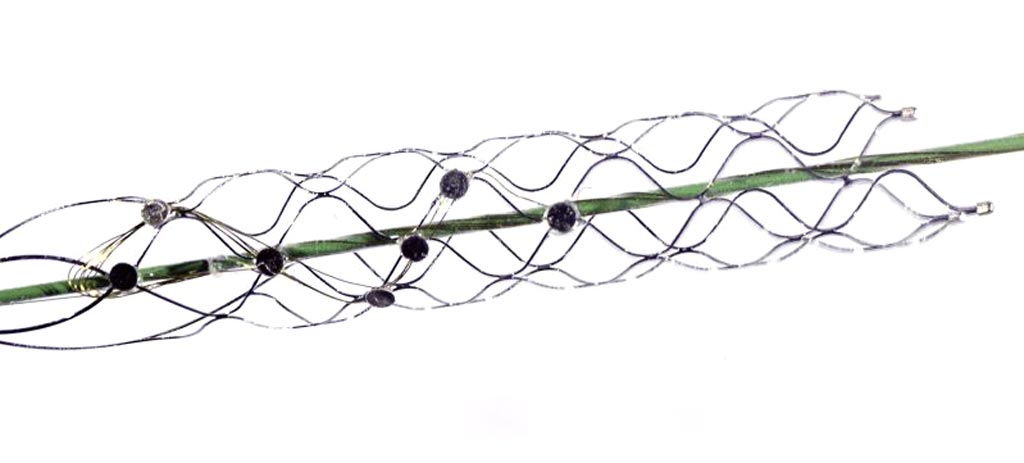
Image: The Stentrode system implantable electrode array (Photo courtesy of Synchron).
New neural interface technology could restore communication in patients with severe paralysis due to debilitating diseases.
The Synchron (Campbell, CA, USA) Stentrode system is based on a platinum electrode array designed to record electrical frequencies emitted by the brain in people paralyzed due to stroke, motor neuron disease, amyotrophic lateral sclerosis (ALS), and spinal cord injury. The signals are streamed wirelessly to specialized artificial intelligence (AI) and machine learning algorithms that can interpret them and predict brain activity. Mounted on a nitinol endovascular stent, the array is small and flexible enough to be delivered via cerebral angiography, obviating open brain surgery.
Implanted via the jugular vein, the Stentrode is placed inside the brain in the motor cortex. The electrical brain discharge signals are captured and sent to a wireless antenna unit implanted in the chest, which are forwarded to an external receiver. “Thought-to-Text” technology, based on proprietary BrainOS AI modular training software, is then used to teach the patient how to control a digital human application programming interface (API) in order to operate 3rd party assistive devices. The first clinical trial of Stentrode will take place at The Royal Melbourne and Bethlehem Hospitals, both in Melbourne (Australia).
“The initiation of this trial is a milestone for the technology industry and points towards a new form of treatment for people with paralysis. There is currently no means for recovery for patients beyond the natural healing process,” said neurointerventionalist Thomas Oxley, MD, PhD, of Mount Sinai Hospital (New York, NY, USA), and CEO of Synchron. “The coupling of the Stentrode with our BrainOS technology represents a potential solution to enable people to regain control of their world, but with digital means. For people who have lost the ability to communicate, this technology could be life changing.”
Direct electrical stimulation and recording of brain activity requires invasive procedures, such as the removal of a portion of the skull or the drilling of a burr hole. Also, electrode implantation into tissue can cause inflammatory tissue responses and brain trauma, and lead to device failure.
Related Links:
Synchron





The Synchron (Campbell, CA, USA) Stentrode system is based on a platinum electrode array designed to record electrical frequencies emitted by the brain in people paralyzed due to stroke, motor neuron disease, amyotrophic lateral sclerosis (ALS), and spinal cord injury. The signals are streamed wirelessly to specialized artificial intelligence (AI) and machine learning algorithms that can interpret them and predict brain activity. Mounted on a nitinol endovascular stent, the array is small and flexible enough to be delivered via cerebral angiography, obviating open brain surgery.
Implanted via the jugular vein, the Stentrode is placed inside the brain in the motor cortex. The electrical brain discharge signals are captured and sent to a wireless antenna unit implanted in the chest, which are forwarded to an external receiver. “Thought-to-Text” technology, based on proprietary BrainOS AI modular training software, is then used to teach the patient how to control a digital human application programming interface (API) in order to operate 3rd party assistive devices. The first clinical trial of Stentrode will take place at The Royal Melbourne and Bethlehem Hospitals, both in Melbourne (Australia).
“The initiation of this trial is a milestone for the technology industry and points towards a new form of treatment for people with paralysis. There is currently no means for recovery for patients beyond the natural healing process,” said neurointerventionalist Thomas Oxley, MD, PhD, of Mount Sinai Hospital (New York, NY, USA), and CEO of Synchron. “The coupling of the Stentrode with our BrainOS technology represents a potential solution to enable people to regain control of their world, but with digital means. For people who have lost the ability to communicate, this technology could be life changing.”
Direct electrical stimulation and recording of brain activity requires invasive procedures, such as the removal of a portion of the skull or the drilling of a burr hole. Also, electrode implantation into tissue can cause inflammatory tissue responses and brain trauma, and lead to device failure.
Related Links:
Synchron

New
Gold Member
Neonatal Heel Incision Device
Tenderfoot
New
Tourniquet System
heidi– mein Tourniquet
New
Pediatric Mask
Respire SOFT
Latest AI News
- AI Analysis of Pericardial Fat Refines Long-Term Heart Disease Risk
- Machine Learning Approach Enhances Liver Cancer Risk Stratification
- New AI Approach Monitors Brain Health Using Passive Wearable Data
- AI Tool Maps Early Risk Patterns in Bloodstream Infections
- AI Model Identifies Rare Endocrine Disorder from Hand Images
- AI Tool Promises to Reduce Length of Hospital Stays and Free Up Beds
- Machine Learning Model Cuts Canceled Liver Transplants By 60%
Channels
Artificial Intelligence
view channel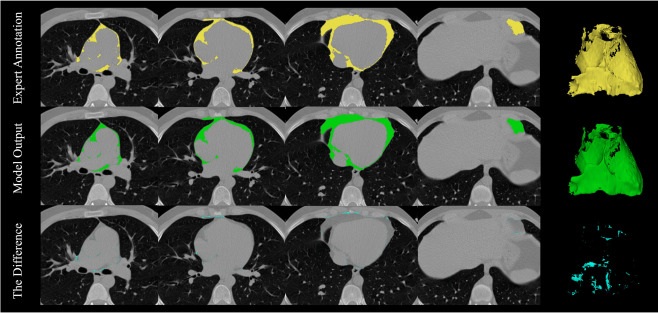
AI Analysis of Pericardial Fat Refines Long-Term Heart Disease Risk
Accurately identifying long-term cardiovascular disease risk in asymptomatic adults remains challenging for clinicians. Missed or underestimated risk delays preventive therapy and increases the chance... Read more
Machine Learning Approach Enhances Liver Cancer Risk Stratification
Hepatocellular carcinoma, the most common form of primary liver cancer, is often detected late despite targeted surveillance programs. Current screening guidelines emphasize patients with known cirrhosis,... Read more

Critical Care
view channel
Noninvasive Monitoring Device Enables Earlier Intervention in Heart Failure
Hospitalizations for heart failure with preserved ejection fraction (HFpEF) remain common because lung congestion often worsens before symptoms prompt treatment changes. Missed early decompensation... Read more
Automated IV Labeling Solution Improves Infusion Safety and Efficiency
Medication administration in high-acuity settings is often complicated by multiple concurrent infusions, making accurate line identification essential. In a 10-hospital intensive care unit study, 60% of... Read more

Surgical Techniques
view channel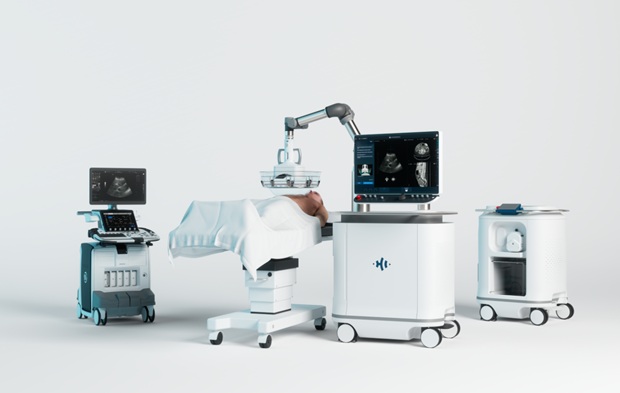
Ultrasound Technology Aims to Replace Invasive BPH Procedures
Benign prostatic hyperplasia (BPH) is a frequent cause of lower urinary tract symptoms in aging men and often requires invasive procedures or prolonged recovery. With prevalence expected to rise as populations... Read more
Continuous Monitoring with Wearables Enhances Postoperative Patient Safety
Postoperative hypoxemia on general surgical wards is common and often missed by intermittent vital sign checks. Undetected low oxygen levels can delay recovery and raise the risk of complications that... Read more

Health IT
view channel
EMR-Based Tool Predicts Graft Failure After Kidney Transplant
Kidney transplantation offers patients with end-stage kidney disease longer survival and better quality of life than dialysis, yet graft failure remains a major challenge. Although a successful transplant... Read more
Printable Molecule-Selective Nanoparticles Enable Mass Production of Wearable Biosensors
The future of medicine is likely to focus on the personalization of healthcare—understanding exactly what an individual requires and delivering the appropriate combination of nutrients, metabolites, and... Read more


Business
view channel
GE HealthCare Leads Major European Initiative to Advance Cardio-Oncology Care
Cardiovascular complications are increasingly recognized among people undergoing or recovering from cancer treatment, driven by pre‑existing disease and the cardiotoxic effects of chemotherapy, radiotherapy,... Read more

