






New Roadmap Outlines AI Research Priorities for Medical Imaging
|
By HospiMedica International staff writers Posted on 24 Apr 2019 |


|
A report establishing a research roadmap outlining priorities in foundational and translational research in artificial intelligence (AI) for medical imaging has been published in the journal Radiology. A second report on translational research in AI focusing on real-world AI problems will be published in the Journal of the American College of Radiology (JACR) in early summer.
Both the reports are the outcome of a workshop convened last August by the National Institute of Biomedical Imaging and Bioengineering at the NIH to explore the future of AI in medical imaging. The workshop brought together government, industry, academia and radiology specialty societies to create a roadmap that sets a path forward for both foundational research in AI and the translational research necessary to deliver AI to clinical practice. The workshop organizers hope to carry on with their work together to continue identifying knowledge gaps and prioritize research needs to promote AI development for medical imaging.
“We all appreciate NIBIB hosting this important event. The workshop was a great opportunity for the radiology community to come together to discuss the needs and challenges for AI research facing our specialty and develop a roadmap for future research in medical imaging,” said Bibb Allen, MD, workshop co-chair and chief medical officer of the ACR Data Science Institute. “We look forward to publishing the roadmap for translational research, including approaches for solving some of these real-world AI problems.”
“This collaborative workshop between the NIH and major radiology organizations was instrumental in bringing together the key stakeholders to define the compelling opportunities for AI research in medical imaging,” said Curtis P. Langlotz, MD, PhD, workshop co-chair, professor of radiology and biomedical informatics, director of the Center for Artificial Intelligence in Medicine and Imaging at Stanford University, and RSNA board liaison for information technology and the annual meeting. “The published outcomes from the event help set the stage for our colleagues and other constituencies working to bring these innovations to patients.”
“The workshop expanded our collective knowledge about the potential utility for Artificial Intelligence to improve the efficiency and accuracy of diagnostic systems,” said Steven E. Seltzer, MD, FACR, health and science policy fellow of the Academy of Radiology and Biomedical Imaging Research “If the need for precision diagnosis in the future requires collation of images from Radiology, Pathology and ‘Omics’ systems into a Diagnostic “Cockpit”, the human observer will need considerable help from computers to extract optimum information from multiple, disparate sources. AI can be a key ingredient in this process.”





Both the reports are the outcome of a workshop convened last August by the National Institute of Biomedical Imaging and Bioengineering at the NIH to explore the future of AI in medical imaging. The workshop brought together government, industry, academia and radiology specialty societies to create a roadmap that sets a path forward for both foundational research in AI and the translational research necessary to deliver AI to clinical practice. The workshop organizers hope to carry on with their work together to continue identifying knowledge gaps and prioritize research needs to promote AI development for medical imaging.
“We all appreciate NIBIB hosting this important event. The workshop was a great opportunity for the radiology community to come together to discuss the needs and challenges for AI research facing our specialty and develop a roadmap for future research in medical imaging,” said Bibb Allen, MD, workshop co-chair and chief medical officer of the ACR Data Science Institute. “We look forward to publishing the roadmap for translational research, including approaches for solving some of these real-world AI problems.”
“This collaborative workshop between the NIH and major radiology organizations was instrumental in bringing together the key stakeholders to define the compelling opportunities for AI research in medical imaging,” said Curtis P. Langlotz, MD, PhD, workshop co-chair, professor of radiology and biomedical informatics, director of the Center for Artificial Intelligence in Medicine and Imaging at Stanford University, and RSNA board liaison for information technology and the annual meeting. “The published outcomes from the event help set the stage for our colleagues and other constituencies working to bring these innovations to patients.”
“The workshop expanded our collective knowledge about the potential utility for Artificial Intelligence to improve the efficiency and accuracy of diagnostic systems,” said Steven E. Seltzer, MD, FACR, health and science policy fellow of the Academy of Radiology and Biomedical Imaging Research “If the need for precision diagnosis in the future requires collation of images from Radiology, Pathology and ‘Omics’ systems into a Diagnostic “Cockpit”, the human observer will need considerable help from computers to extract optimum information from multiple, disparate sources. AI can be a key ingredient in this process.”

Gold Member
STI Test
Vivalytic Sexually Transmitted Infection (STI) Array
New
Immobilization System
Cranial 4Pi Immobilization
New
Medical Examination & Procedure Light
Vega 80
Latest AI News
- AI Analysis of Pericardial Fat Refines Long-Term Heart Disease Risk
- Machine Learning Approach Enhances Liver Cancer Risk Stratification
- New AI Approach Monitors Brain Health Using Passive Wearable Data
- AI Tool Maps Early Risk Patterns in Bloodstream Infections
- AI Model Identifies Rare Endocrine Disorder from Hand Images
- AI Tool Promises to Reduce Length of Hospital Stays and Free Up Beds
- Machine Learning Model Cuts Canceled Liver Transplants By 60%
Channels
Artificial Intelligence
view channel
AI Analysis of Pericardial Fat Refines Long-Term Heart Disease Risk
Accurately identifying long-term cardiovascular disease risk in asymptomatic adults remains challenging for clinicians. Missed or underestimated risk delays preventive therapy and increases the chance... Read more
Machine Learning Approach Enhances Liver Cancer Risk Stratification
Hepatocellular carcinoma, the most common form of primary liver cancer, is often detected late despite targeted surveillance programs. Current screening guidelines emphasize patients with known cirrhosis,... Read more

Critical Care
view channel
Noninvasive Monitoring Device Enables Earlier Intervention in Heart Failure
Hospitalizations for heart failure with preserved ejection fraction (HFpEF) remain common because lung congestion often worsens before symptoms prompt treatment changes. Missed early decompensation... Read more
Automated IV Labeling Solution Improves Infusion Safety and Efficiency
Medication administration in high-acuity settings is often complicated by multiple concurrent infusions, making accurate line identification essential. In a 10-hospital intensive care unit study, 60% of... Read more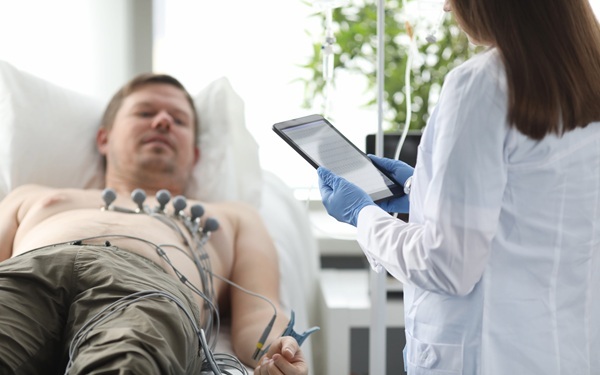

Surgical Techniques
view channel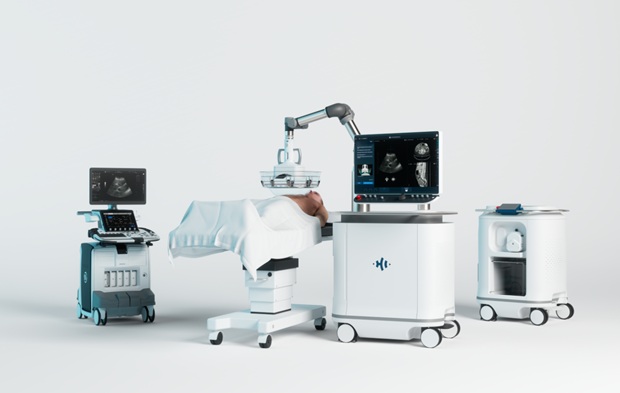
Ultrasound Technology Aims to Replace Invasive BPH Procedures
Benign prostatic hyperplasia (BPH) is a frequent cause of lower urinary tract symptoms in aging men and often requires invasive procedures or prolonged recovery. With prevalence expected to rise as populations... Read more
Continuous Monitoring with Wearables Enhances Postoperative Patient Safety
Postoperative hypoxemia on general surgical wards is common and often missed by intermittent vital sign checks. Undetected low oxygen levels can delay recovery and raise the risk of complications that... Read more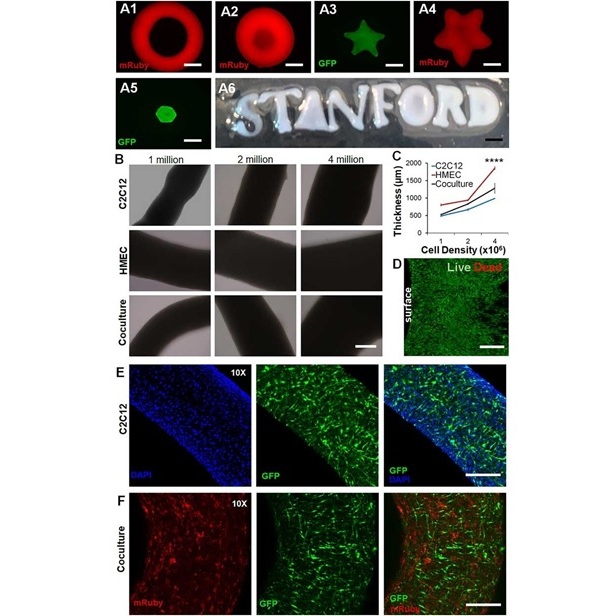
Patient Care
view channel
Wearable Sleep Data Predict Adherence to Pulmonary Rehabilitation
Chronic obstructive pulmonary disease (COPD) is a long-term lung disorder that makes breathing difficult and often disturbs sleep, reducing energy for daily activities. Limited engagement in pulmonary... Read more
Revolutionary Automatic IV-Line Flushing Device to Enhance Infusion Care
More than 80% of in-hospital patients receive intravenous (IV) therapy. Every dose of IV medicine delivered in a small volume (<250 mL) infusion bag should be followed by subsequent flushing to ensure... Read more

Health IT
view channel
EMR-Based Tool Predicts Graft Failure After Kidney Transplant
Kidney transplantation offers patients with end-stage kidney disease longer survival and better quality of life than dialysis, yet graft failure remains a major challenge. Although a successful transplant... Read more
Printable Molecule-Selective Nanoparticles Enable Mass Production of Wearable Biosensors
The future of medicine is likely to focus on the personalization of healthcare—understanding exactly what an individual requires and delivering the appropriate combination of nutrients, metabolites, and... Read more


Business
view channel
GE HealthCare Leads Major European Initiative to Advance Cardio-Oncology Care
Cardiovascular complications are increasingly recognized among people undergoing or recovering from cancer treatment, driven by pre‑existing disease and the cardiotoxic effects of chemotherapy, radiotherapy,... Read more

