






Artificial Neural Network Improves Prostate Cancer Detection
|
By HospiMedica International staff writers Posted on 29 Apr 2019 |


|

Image: New research hints that AI may soon make radiologists redundant (Photo courtesy of 123rf.com).
A new artificial intelligence (AI) system identifies and predicts the aggressiveness of prostate cancer (PC) at the same level of accuracy as experienced radiologists.
Developed at the University of California, Los Angeles (UCLA; USA), FocalNet is a convolutional neural network (CNN) that uses an algorithm with more than a million trainable variables. The CNN was trained using multi-parametric MRI (mp-MRI) scans of 417 men with PC prior to robotic-assisted laparoscopic prostatectomy (RALP). In order to learn how to classify the aggressiveness of the tumor using the Gleason score (GS), the results were compared to the actual pathology specimen. They then compared the AI system's results with readings by UCLA radiologists who had more than 10 years of experience.
The results revealed that in the free-response receiver operating characteristics (FROC) analysis for lesion detection, FocalNet showed 89.7% and 87.9% sensitivity for index lesions and clinically significant lesions, respectively. With the comparison to the prospective performance of radiologists using current diagnostic guidelines, FocalNet demonstrated a detection sensitivity for clinically significant lesions (80.5%) comparable to that of radiologists with at least 10 years of experience (83.9%). The study was presented at the IEEE International Symposium on Biomedical Imaging (ISBI), held during April 2019 in Venice (Italy).
“Multi-parametric MRI is considered the best non-invasive imaging modality for diagnosing prostate cancer. However, mp-MRI for PC diagnosis is currently limited by the qualitative or semi-quantitative interpretation criteria, leading to inter-reader variability and a suboptimal ability to assess lesion aggressiveness,” concluded senior author Kyunghyun Sung, of the UCLA department of radiology, and colleagues. “CNNs are a powerful method to automatically learn the discriminative features for various tasks, including cancer detection.”
CNN’s use a cascade of many layers of nonlinear processing units for feature extraction and conversion, with each successive layer using the output from the previous layer as input to form a hierarchical representation.
Related Links:
University of California, Los Angeles




Developed at the University of California, Los Angeles (UCLA; USA), FocalNet is a convolutional neural network (CNN) that uses an algorithm with more than a million trainable variables. The CNN was trained using multi-parametric MRI (mp-MRI) scans of 417 men with PC prior to robotic-assisted laparoscopic prostatectomy (RALP). In order to learn how to classify the aggressiveness of the tumor using the Gleason score (GS), the results were compared to the actual pathology specimen. They then compared the AI system's results with readings by UCLA radiologists who had more than 10 years of experience.
The results revealed that in the free-response receiver operating characteristics (FROC) analysis for lesion detection, FocalNet showed 89.7% and 87.9% sensitivity for index lesions and clinically significant lesions, respectively. With the comparison to the prospective performance of radiologists using current diagnostic guidelines, FocalNet demonstrated a detection sensitivity for clinically significant lesions (80.5%) comparable to that of radiologists with at least 10 years of experience (83.9%). The study was presented at the IEEE International Symposium on Biomedical Imaging (ISBI), held during April 2019 in Venice (Italy).
“Multi-parametric MRI is considered the best non-invasive imaging modality for diagnosing prostate cancer. However, mp-MRI for PC diagnosis is currently limited by the qualitative or semi-quantitative interpretation criteria, leading to inter-reader variability and a suboptimal ability to assess lesion aggressiveness,” concluded senior author Kyunghyun Sung, of the UCLA department of radiology, and colleagues. “CNNs are a powerful method to automatically learn the discriminative features for various tasks, including cancer detection.”
CNN’s use a cascade of many layers of nonlinear processing units for feature extraction and conversion, with each successive layer using the output from the previous layer as input to form a hierarchical representation.
Related Links:
University of California, Los Angeles

Gold Member
STI Test
Vivalytic Sexually Transmitted Infection (STI) Array
New
Immobilization System
Cranial 4Pi Immobilization
New
Gas Analyzer
GE SAM
Latest General/Advanced Imaging News
Channels
Artificial Intelligence
view channel
Machine Learning Approach Enhances Liver Cancer Risk Stratification
Hepatocellular carcinoma, the most common form of primary liver cancer, is often detected late despite targeted surveillance programs. Current screening guidelines emphasize patients with known cirrhosis,... Read more
New AI Approach Monitors Brain Health Using Passive Wearable Data
Brain health spans cognitive and emotional functions and can fluctuate even in adults without diagnosed disease. Detecting early changes remains difficult in routine care and burdens specialty services... Read more
Critical Care
view channel
Automated IV Labeling Solution Improves Infusion Safety and Efficiency
Medication administration in high-acuity settings is often complicated by multiple concurrent infusions, making accurate line identification essential. In a 10-hospital intensive care unit study, 60% of... Read more
First-Of-Its-Kind AI Tool Detects Pulmonary Hypertension from Standard ECGs
Pulmonary hypertension is a progressive, life‑threatening disease that is frequently missed early because symptoms such as dyspnea are nonspecific and diagnostic delays can exceed two years.... Read more

Surgical Techniques
view channel
Continuous Monitoring with Wearables Enhances Postoperative Patient Safety
Postoperative hypoxemia on general surgical wards is common and often missed by intermittent vital sign checks. Undetected low oxygen levels can delay recovery and raise the risk of complications that... Read more
New Approach Enables Customized Muscle Tissue Without Biomaterial Scaffolds
Volumetric muscle loss is a traumatic loss of skeletal muscle that often leads to permanent functional impairment and limited reconstructive options. Current experimental strategies struggle to deliver... Read more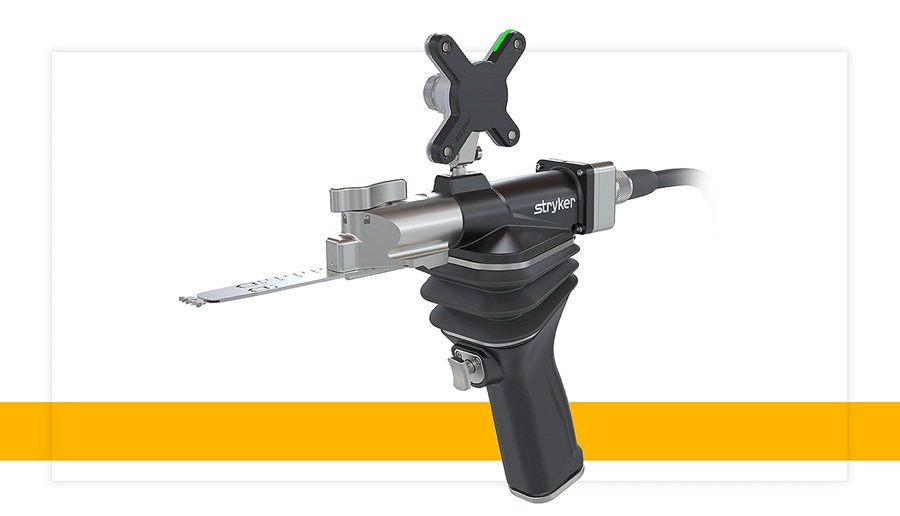
Patient Care
view channel
Wearable Sleep Data Predict Adherence to Pulmonary Rehabilitation
Chronic obstructive pulmonary disease (COPD) is a long-term lung disorder that makes breathing difficult and often disturbs sleep, reducing energy for daily activities. Limited engagement in pulmonary... Read more
Revolutionary Automatic IV-Line Flushing Device to Enhance Infusion Care
More than 80% of in-hospital patients receive intravenous (IV) therapy. Every dose of IV medicine delivered in a small volume (<250 mL) infusion bag should be followed by subsequent flushing to ensure... Read more

Health IT
view channel
EMR-Based Tool Predicts Graft Failure After Kidney Transplant
Kidney transplantation offers patients with end-stage kidney disease longer survival and better quality of life than dialysis, yet graft failure remains a major challenge. Although a successful transplant... Read more
Printable Molecule-Selective Nanoparticles Enable Mass Production of Wearable Biosensors
The future of medicine is likely to focus on the personalization of healthcare—understanding exactly what an individual requires and delivering the appropriate combination of nutrients, metabolites, and... Read more


Business
view channel
GE HealthCare Leads Major European Initiative to Advance Cardio-Oncology Care
Cardiovascular complications are increasingly recognized among people undergoing or recovering from cancer treatment, driven by pre‑existing disease and the cardiotoxic effects of chemotherapy, radiotherapy,... Read more

