






Collaboration Formed to Advance Digital Patient Safety
|
By HospiMedica International staff writers Posted on 21 May 2019 |


|

Image: A new partnership will study patient safety in the digital age (Photo courtesy of 123RF).
The Doctors Company (Napa, CA, USA), the largest physician-owned medical malpractice insurer in the United States, and the University of California, San Francisco (UCSF; USA) have launched a new partnership that will enable leading UCSF researchers to pursue cutting-edge questions regarding evidence-based patient safety practices, safety and information technology–related policy, and artificial intelligence (AI).
The Doctors Company–UCSF collaboration will explore the intersection of digital medicine and patient safety, maximizing the strengths of both organizations to make substantive advances in patient safety and digital health through novel research and engagement, with the goal of safer care. The Doctors Company, which insures 82,000 physicians in the U.S, has committed to invest USD one million to help UCSF researchers study the causes of medical errors, strategies to mitigate them, and develop new insights that can advance the practice of good medicine.
“We are proud to partner with a world-class institution like UCSF in a mission-based collaboration that has the power to improve medical outcomes in the transformative sphere of digital healthcare,” said Richard Anderson, MD, FACP, chairman and CEO of The Doctors Company.
“The primary goal of the partnership is to discover and disseminate new insights into risk mitigation strategies and patient safety by connecting top-tier UCSF researchers and unique resources and expertise from The Doctors Company,” said Julia Adler-Milstein, PhD, who will co-lead the partnership on behalf of UCSF. “It is a rare and exciting opportunity to have two such organizations come together to jointly advance such an important area.”
Widespread digitization of the healthcare system, including implementation of electronic health records (EHRs), apps, and sensors, offers new ways to study and address traditional patient safety challenges such as diagnostic and medication errors. There are also new challenges that stem directly from these emerging digital capabilities, including the integration of AI tools into frontline care, the mitigation of alert fatigue, sharing data with patients, preserving the physician-patient relationship in an era of increasing technology use, physician burnout related to suboptimal EHR usability and performance, and cybersecurity issues.
Related Links:
The Doctors Company
University of California, San Francisco




The Doctors Company–UCSF collaboration will explore the intersection of digital medicine and patient safety, maximizing the strengths of both organizations to make substantive advances in patient safety and digital health through novel research and engagement, with the goal of safer care. The Doctors Company, which insures 82,000 physicians in the U.S, has committed to invest USD one million to help UCSF researchers study the causes of medical errors, strategies to mitigate them, and develop new insights that can advance the practice of good medicine.
“We are proud to partner with a world-class institution like UCSF in a mission-based collaboration that has the power to improve medical outcomes in the transformative sphere of digital healthcare,” said Richard Anderson, MD, FACP, chairman and CEO of The Doctors Company.
“The primary goal of the partnership is to discover and disseminate new insights into risk mitigation strategies and patient safety by connecting top-tier UCSF researchers and unique resources and expertise from The Doctors Company,” said Julia Adler-Milstein, PhD, who will co-lead the partnership on behalf of UCSF. “It is a rare and exciting opportunity to have two such organizations come together to jointly advance such an important area.”
Widespread digitization of the healthcare system, including implementation of electronic health records (EHRs), apps, and sensors, offers new ways to study and address traditional patient safety challenges such as diagnostic and medication errors. There are also new challenges that stem directly from these emerging digital capabilities, including the integration of AI tools into frontline care, the mitigation of alert fatigue, sharing data with patients, preserving the physician-patient relationship in an era of increasing technology use, physician burnout related to suboptimal EHR usability and performance, and cybersecurity issues.
Related Links:
The Doctors Company
University of California, San Francisco

Gold Member
STI Test
Vivalytic Sexually Transmitted Infection (STI) Array
New
Hybrid Arch Device
Neo EDE
New
Vessel Sealing Instrument
ERGOseal
Latest Health IT News
- Voice-Driven AI System Enables Structured GI Procedure Documentation
- EMR-Based Tool Predicts Graft Failure After Kidney Transplant
- Printable Molecule-Selective Nanoparticles Enable Mass Production of Wearable Biosensors
- Smartwatches Could Detect Congestive Heart Failure
- Versatile Smart Patch Combines Health Monitoring and Drug Delivery
Channels
Artificial Intelligence
view channel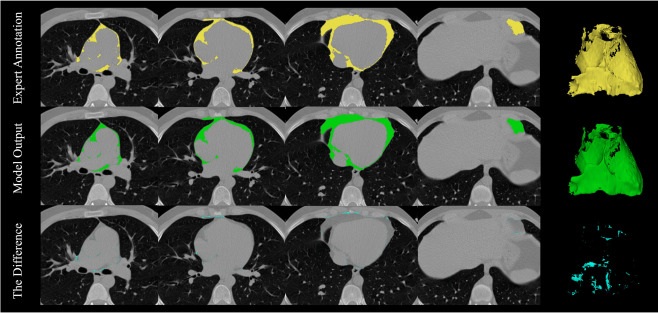
AI Analysis of Pericardial Fat Refines Long-Term Heart Disease Risk
Accurately identifying long-term cardiovascular disease risk in asymptomatic adults remains challenging for clinicians. Missed or underestimated risk delays preventive therapy and increases the chance... Read more
Machine Learning Approach Enhances Liver Cancer Risk Stratification
Hepatocellular carcinoma, the most common form of primary liver cancer, is often detected late despite targeted surveillance programs. Current screening guidelines emphasize patients with known cirrhosis,... Read more

Critical Care
view channel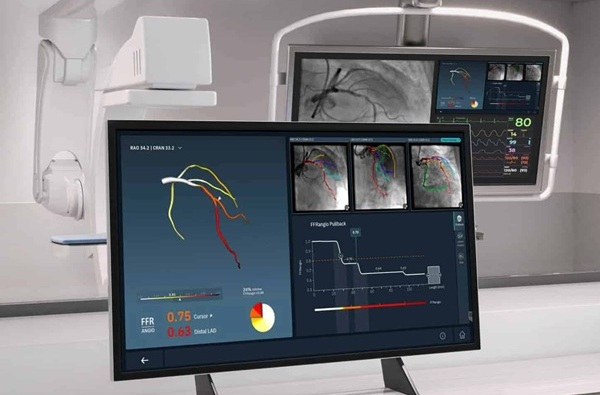
Angiography-Based FFR Approach Matches Gold Standard Results Without Wires
Accurately determining whether a coronary stenosis limits blood flow is essential to guide percutaneous coronary intervention, yet wire-based physiologic testing remains underused due to added procedural... Read more
Eye Imaging AI Identifies Elevated Cardiovascular Risk
Many adults at risk for atherosclerotic cardiovascular disease are not identified until they undergo formal primary care assessment. Delayed risk recognition can postpone initiation of statins and lifestyle... Read more

Surgical Techniques
view channel
Fiber-Form Bone Graft Expands Intraoperative Options for Spinal Fusion
Spinal and orthopedic fusion procedures often require bone graft materials that handle predictably and support bone formation. Surgeons face added complexity in difficult anatomy and challenging fusion environments.... Read more
Ultrasound‑Aided Catheter Treatment Cuts Early Collapse in Pulmonary Embolism
Acute pulmonary embolism can cause rapid hemodynamic deterioration and early death in hospitalized and emergency patients. Systemic thrombolysis can dissolve clots but is limited by a high risk of major... Read more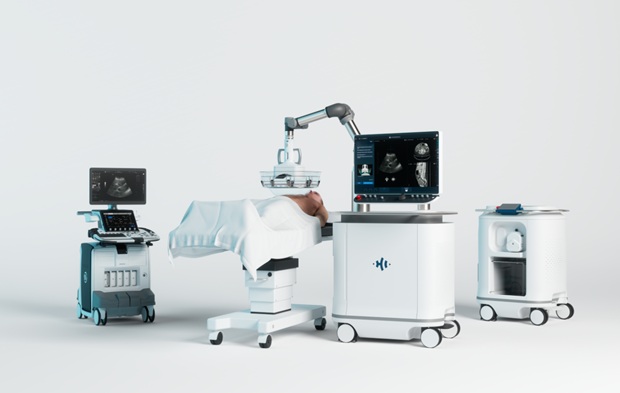

Patient Care
view channel
Wearable Sleep Data Predict Adherence to Pulmonary Rehabilitation
Chronic obstructive pulmonary disease (COPD) is a long-term lung disorder that makes breathing difficult and often disturbs sleep, reducing energy for daily activities. Limited engagement in pulmonary... Read more
Revolutionary Automatic IV-Line Flushing Device to Enhance Infusion Care
More than 80% of in-hospital patients receive intravenous (IV) therapy. Every dose of IV medicine delivered in a small volume (<250 mL) infusion bag should be followed by subsequent flushing to ensure... Read more


Business
view channel
GE HealthCare Leads Major European Initiative to Advance Cardio-Oncology Care
Cardiovascular complications are increasingly recognized among people undergoing or recovering from cancer treatment, driven by pre‑existing disease and the cardiotoxic effects of chemotherapy, radiotherapy,... Read more

