






Increased Monitoring Driving Growth of Global Fetal/Neonatal Equipment Market
|
By HospiMedica International staff writers Posted on 22 Jun 2019 |


|
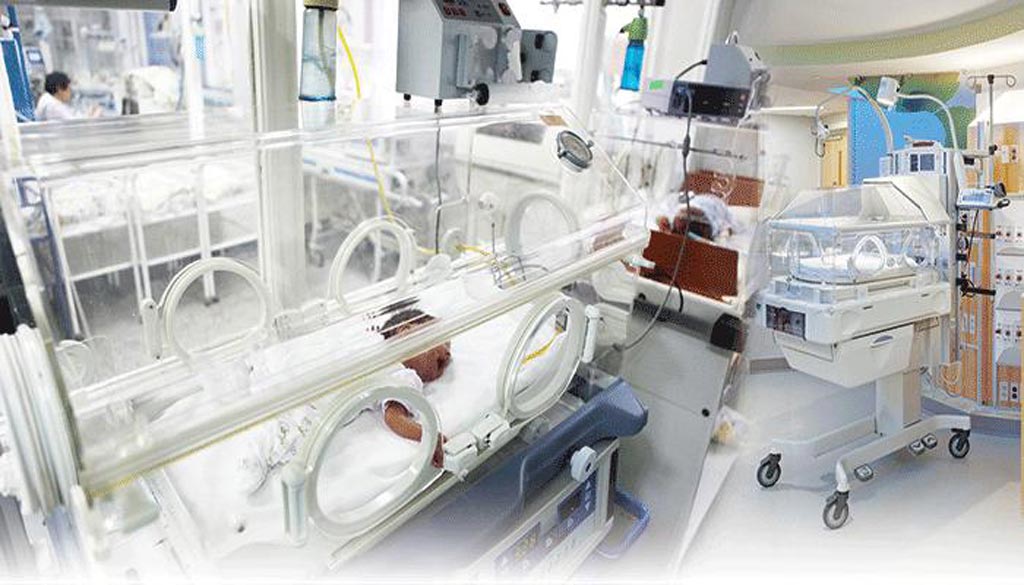
Image: Increased patient monitoring is driving the rise in fetal and neonatal care equipment (Photo courtesy of openPR).
The global fetal and neonatal equipment market is projected to grow at a CAGR of 7.4% to reach USD 9.06 billion by 2025, driven mainly by a rise in patient monitoring, especially fetal and neonatal care equipment witnessing increased adoption in basic to advanced equipment across the globe. Other factors such as congenital diseases, premature health, lifestyle, and chronic conditions like anemia, bronchopulmonary dysplasia, hyperbilirubinemia, and intraventricular hemorrhage are also aiding the growth of the fetal and neonatal equipment market.
These are the latest findings of Research and Markets, (Dublin, Ireland), a global market research company.
Technological advancements in patient monitoring, respiratory, and phototherapy devices are also aiding the market growth. Advanced features such as lightweight, compact, and remote-based monitoring have enabled end-users to rely on effective patient monitoring devices. Connectivity via wireless technologies has eliminated the need for bedside transmitters as mobile app integration has become more seamless in an individual's daily routine. Some devices are proactive in anticipating the health information and deliver it in a timely manner, along with supportive communication and coordination among the providers involved in the healthcare delivery services.
The rise in adoption of fetal and neonatal care equipment in the developing countries with various agreements and policies is helping the market grow at a faster pace. Innovations and new technological techniques & procedures have led to most developed economies shifting towards high-quality care. The fetal and neonatal equipment market in the developing regions is not yet fully explored and presents a huge opportunity globally. Most emerging economies such as India, China, Indonesia, Malaysia, Philippines, and Bangladesh witness the highest pre-term deaths due to poor infrastructure and lack of trained professionals.
The fetal and neonatal care equipment market is expected to witness a steady growth in the future. The increase in demand for more advanced & customized diagnosis and treatment with the availability of vast healthcare services globally have pushed the market to produce safe, efficient, and cost-effective products in the market. However, stiff competition among the vendors is expected to hinder the market growth. Several vendors have established their market presence globally and focus strongly on marketing and selling their products by competing with small and regional vendors.
There is also competition among leading vendors due to the availability of a wide range of fetal and neonatal care equipment with different brand names in the market. This provides an opportunity for healthcare consumers (fetal and neonatal care facilities) to choose products based on brand, price, features, model, and discount. The manufacturers, including major and mid-sized companies, in the fetal and neonatal equipment market are competing with newer products, advanced features, quality, safety, and efficacy. Most of the vendors are primarily focusing on research and development to drive technological progress.
Related Links:
Research and Markets




These are the latest findings of Research and Markets, (Dublin, Ireland), a global market research company.
Technological advancements in patient monitoring, respiratory, and phototherapy devices are also aiding the market growth. Advanced features such as lightweight, compact, and remote-based monitoring have enabled end-users to rely on effective patient monitoring devices. Connectivity via wireless technologies has eliminated the need for bedside transmitters as mobile app integration has become more seamless in an individual's daily routine. Some devices are proactive in anticipating the health information and deliver it in a timely manner, along with supportive communication and coordination among the providers involved in the healthcare delivery services.
The rise in adoption of fetal and neonatal care equipment in the developing countries with various agreements and policies is helping the market grow at a faster pace. Innovations and new technological techniques & procedures have led to most developed economies shifting towards high-quality care. The fetal and neonatal equipment market in the developing regions is not yet fully explored and presents a huge opportunity globally. Most emerging economies such as India, China, Indonesia, Malaysia, Philippines, and Bangladesh witness the highest pre-term deaths due to poor infrastructure and lack of trained professionals.
The fetal and neonatal care equipment market is expected to witness a steady growth in the future. The increase in demand for more advanced & customized diagnosis and treatment with the availability of vast healthcare services globally have pushed the market to produce safe, efficient, and cost-effective products in the market. However, stiff competition among the vendors is expected to hinder the market growth. Several vendors have established their market presence globally and focus strongly on marketing and selling their products by competing with small and regional vendors.
There is also competition among leading vendors due to the availability of a wide range of fetal and neonatal care equipment with different brand names in the market. This provides an opportunity for healthcare consumers (fetal and neonatal care facilities) to choose products based on brand, price, features, model, and discount. The manufacturers, including major and mid-sized companies, in the fetal and neonatal equipment market are competing with newer products, advanced features, quality, safety, and efficacy. Most of the vendors are primarily focusing on research and development to drive technological progress.
Related Links:
Research and Markets

Gold Member
12-Channel ECG
CM1200B
New
Hybrid Arch Device
Neo EDE
New
Surgical System
Stealth AXiS
Latest Business News
- GE HealthCare Leads Major European Initiative to Advance Cardio-Oncology Care
- Medtronic and GE HealthCare Broaden Alliance Across Monitoring and Care Solutions
- Quantum Surgical Acquires NeuWave from Johnson & Johnson
- Medtronic to Acquire Coronary Artery Medtech Company CathWorks
- Medtronic and Mindray Expand Strategic Partnership to Ambulatory Surgery Centers in the U.S.
- FDA Clearance Expands Robotic Options for Minimally Invasive Heart Surgery
- WHX in Dubai (formerly Arab Health) to debut specialised Biotech & Life Sciences Zone as sector growth accelerates globally
- WHX in Dubai (formerly Arab Health) to bring together key UAE government entities during the groundbreaking 2026 edition
- Interoperability Push Fuels Surge in Healthcare IT Market
- Philips and Masimo Partner to Advance Patient Monitoring Measurement Technologies
- B. Braun Acquires Digital Microsurgery Company True Digital Surgery
- CMEF 2025 to Promote Holistic and High-Quality Development of Medical and Health Industry
- Bayer and Broad Institute Extend Research Collaboration to Develop New Cardiovascular Therapies
- Medtronic Partners with Corsano to Expand Acute Care & Monitoring Portfolio in Europe
- Expanded Collaboration to Transform OR Technology Through AI and Automation
- Becton Dickinson to Spin Out Biosciences and Diagnostic Solutions Business
Channels
Artificial Intelligence
view channel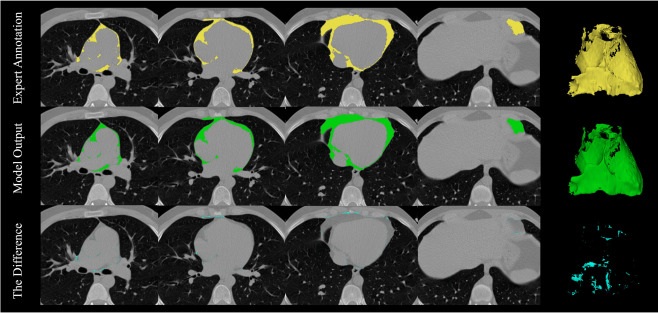
AI Analysis of Pericardial Fat Refines Long-Term Heart Disease Risk
Accurately identifying long-term cardiovascular disease risk in asymptomatic adults remains challenging for clinicians. Missed or underestimated risk delays preventive therapy and increases the chance... Read more
Machine Learning Approach Enhances Liver Cancer Risk Stratification
Hepatocellular carcinoma, the most common form of primary liver cancer, is often detected late despite targeted surveillance programs. Current screening guidelines emphasize patients with known cirrhosis,... Read more

Critical Care
view channel
Eye Imaging AI Identifies Elevated Cardiovascular Risk
Many adults at risk for atherosclerotic cardiovascular disease are not identified until they undergo formal primary care assessment. Delayed risk recognition can postpone initiation of statins and lifestyle... Read more
Noninvasive Monitoring Device Enables Earlier Intervention in Heart Failure
Hospitalizations for heart failure with preserved ejection fraction (HFpEF) remain common because lung congestion often worsens before symptoms prompt treatment changes. Missed early decompensation... Read more

Surgical Techniques
view channel
Fiber-Form Bone Graft Expands Intraoperative Options for Spinal Fusion
Spinal and orthopedic fusion procedures often require bone graft materials that handle predictably and support bone formation. Surgeons face added complexity in difficult anatomy and challenging fusion environments.... Read more
Ultrasound‑Aided Catheter Treatment Cuts Early Collapse in Pulmonary Embolism
Acute pulmonary embolism can cause rapid hemodynamic deterioration and early death in hospitalized and emergency patients. Systemic thrombolysis can dissolve clots but is limited by a high risk of major... Read more

Patient Care
view channel
Wearable Sleep Data Predict Adherence to Pulmonary Rehabilitation
Chronic obstructive pulmonary disease (COPD) is a long-term lung disorder that makes breathing difficult and often disturbs sleep, reducing energy for daily activities. Limited engagement in pulmonary... Read more
Revolutionary Automatic IV-Line Flushing Device to Enhance Infusion Care
More than 80% of in-hospital patients receive intravenous (IV) therapy. Every dose of IV medicine delivered in a small volume (<250 mL) infusion bag should be followed by subsequent flushing to ensure... Read more

Health IT
view channel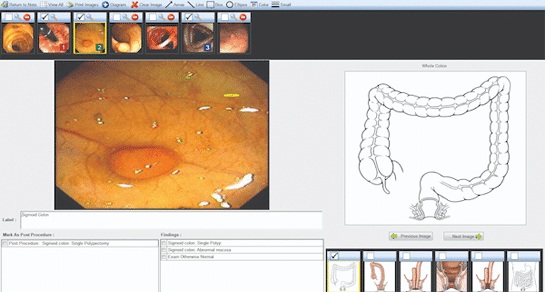
Voice-Driven AI System Enables Structured GI Procedure Documentation
Documentation during gastrointestinal (GI) procedures often competes with real-time clinical decision-making and imposes a significant cognitive burden on physicians. Manual data entry and post-procedure... Read more
EMR-Based Tool Predicts Graft Failure After Kidney Transplant
Kidney transplantation offers patients with end-stage kidney disease longer survival and better quality of life than dialysis, yet graft failure remains a major challenge. Although a successful transplant... Read more

