






Intelerad to Invest USD 75 Million in New AI Medical Imaging Offerings
|
By HospiMedica International staff writers Posted on 22 Jun 2019 |


|

Image: Intelerad has committed 75 million to R&D for new AI and cloud-based medical imaging software solutions (Photo courtesy of Intelerad).
Intelerad Medical Systems (Montreal, Canada), a medical imaging software provider that specializes in diagnostic viewing, reporting and collaboration solutions, has announced a USD 75 million R&D investment towards extending its solutions portfolio.
Intelerad’s technology simplifies everyday tasks for radiologists and other healthcare professionals, enabling them to optimize efficiency and apply their expertise and energy toward more personalized services and follow-ups for every patient. On a daily basis, Intelerad’s solutions enable radiologists to perform more than 200,000 diagnostic interpretations worldwide.
With an emphasis on cloud technology and artificial intelligence, Intelerad is focused on providing innovative Software as a Service (SaaS) solutions for healthcare. For example, the company’s cloud-based Clairvoyance productivity dashboard will incorporate machine learning technology to provide predictive insights to imaging departments, enabling real-time, data-driven decisions that contribute to higher quality, more timely care and better outcomes for patients. The company’s USD 75 million investment and ongoing focus on creating innovative, market-leading solutions for a global customer base are expected to fuel a two-fold increase in study volume.
“Medical imaging has undergone a significant transformation over the past 20 years, and Intelerad has been at the forefront of that evolution,” said Mr. Paul Lepage, President and CEO of Intelerad. “We are proud to support customers around the world in providing the highest standard of healthcare services. We will continue to make a difference in healthcare by delivering scalable, enterprise-wide medical imaging solutions for healthcare providers and their patients.”




Intelerad’s technology simplifies everyday tasks for radiologists and other healthcare professionals, enabling them to optimize efficiency and apply their expertise and energy toward more personalized services and follow-ups for every patient. On a daily basis, Intelerad’s solutions enable radiologists to perform more than 200,000 diagnostic interpretations worldwide.
With an emphasis on cloud technology and artificial intelligence, Intelerad is focused on providing innovative Software as a Service (SaaS) solutions for healthcare. For example, the company’s cloud-based Clairvoyance productivity dashboard will incorporate machine learning technology to provide predictive insights to imaging departments, enabling real-time, data-driven decisions that contribute to higher quality, more timely care and better outcomes for patients. The company’s USD 75 million investment and ongoing focus on creating innovative, market-leading solutions for a global customer base are expected to fuel a two-fold increase in study volume.
“Medical imaging has undergone a significant transformation over the past 20 years, and Intelerad has been at the forefront of that evolution,” said Mr. Paul Lepage, President and CEO of Intelerad. “We are proud to support customers around the world in providing the highest standard of healthcare services. We will continue to make a difference in healthcare by delivering scalable, enterprise-wide medical imaging solutions for healthcare providers and their patients.”

Gold Member
SARS‑CoV‑2/Flu A/Flu B/RSV Sample-To-Answer Test
SARS‑CoV‑2/Flu A/Flu B/RSV Cartridge (CE-IVD)
New
Blood Pressure Monitor
Cuff Blood Pressure Monitor
New
Vessel Sealing Instrument
ERGOseal
Latest Industry News News
Channels
Artificial Intelligence
view channel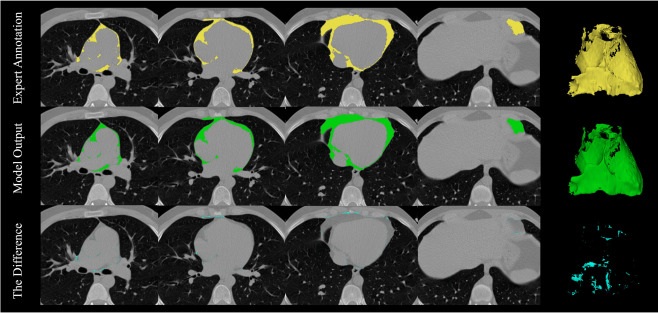
AI Analysis of Pericardial Fat Refines Long-Term Heart Disease Risk
Accurately identifying long-term cardiovascular disease risk in asymptomatic adults remains challenging for clinicians. Missed or underestimated risk delays preventive therapy and increases the chance... Read more
Machine Learning Approach Enhances Liver Cancer Risk Stratification
Hepatocellular carcinoma, the most common form of primary liver cancer, is often detected late despite targeted surveillance programs. Current screening guidelines emphasize patients with known cirrhosis,... Read more

Critical Care
view channel
Noninvasive Monitoring Device Enables Earlier Intervention in Heart Failure
Hospitalizations for heart failure with preserved ejection fraction (HFpEF) remain common because lung congestion often worsens before symptoms prompt treatment changes. Missed early decompensation... Read more
Automated IV Labeling Solution Improves Infusion Safety and Efficiency
Medication administration in high-acuity settings is often complicated by multiple concurrent infusions, making accurate line identification essential. In a 10-hospital intensive care unit study, 60% of... Read more

Surgical Techniques
view channel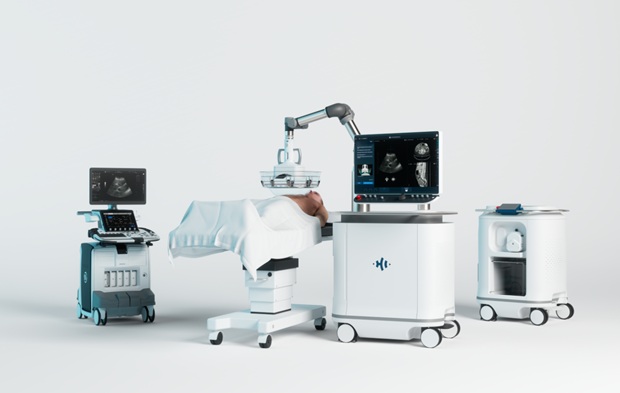
Ultrasound Technology Aims to Replace Invasive BPH Procedures
Benign prostatic hyperplasia (BPH) is a frequent cause of lower urinary tract symptoms in aging men and often requires invasive procedures or prolonged recovery. With prevalence expected to rise as populations... Read more
Continuous Monitoring with Wearables Enhances Postoperative Patient Safety
Postoperative hypoxemia on general surgical wards is common and often missed by intermittent vital sign checks. Undetected low oxygen levels can delay recovery and raise the risk of complications that... Read more
Patient Care
view channel
Wearable Sleep Data Predict Adherence to Pulmonary Rehabilitation
Chronic obstructive pulmonary disease (COPD) is a long-term lung disorder that makes breathing difficult and often disturbs sleep, reducing energy for daily activities. Limited engagement in pulmonary... Read more
Revolutionary Automatic IV-Line Flushing Device to Enhance Infusion Care
More than 80% of in-hospital patients receive intravenous (IV) therapy. Every dose of IV medicine delivered in a small volume (<250 mL) infusion bag should be followed by subsequent flushing to ensure... Read more

Health IT
view channel
EMR-Based Tool Predicts Graft Failure After Kidney Transplant
Kidney transplantation offers patients with end-stage kidney disease longer survival and better quality of life than dialysis, yet graft failure remains a major challenge. Although a successful transplant... Read more
Printable Molecule-Selective Nanoparticles Enable Mass Production of Wearable Biosensors
The future of medicine is likely to focus on the personalization of healthcare—understanding exactly what an individual requires and delivering the appropriate combination of nutrients, metabolites, and... Read more


Business
view channel
GE HealthCare Leads Major European Initiative to Advance Cardio-Oncology Care
Cardiovascular complications are increasingly recognized among people undergoing or recovering from cancer treatment, driven by pre‑existing disease and the cardiotoxic effects of chemotherapy, radiotherapy,... Read more

