Innovative Cochlear Implant Enables Direct Android Connectivity
|
By HospiMedica International staff writers Posted on 24 Jun 2019 |


|
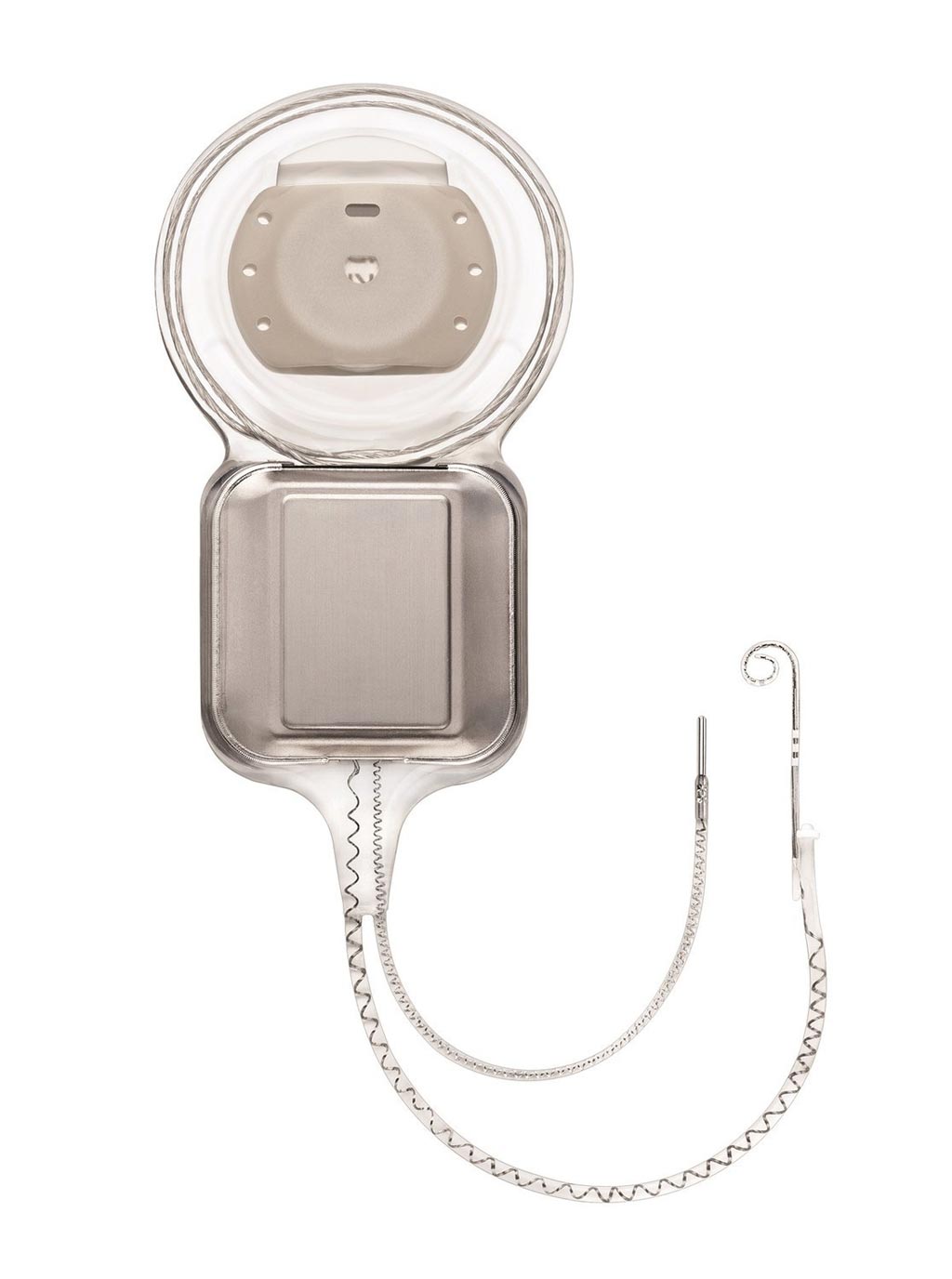
Image: The Nucleus Profile Plus Series cochlear implant (Photo courtesy of Cochlear).
A new cochlear implant hearing aid offers easier access to magnetic resonance imaging (MRI) and expanded connectivity to Android smartphones via Google direct streaming.
The Cochlear (Centennial, CO, USA) Nucleus Profile Plus Implant with the Nucleus 7 Sound Processor allows users access to direct streaming with a compatible android phone, dependent upon implementation of Google Audio Streaming for Hearing Aids (ASHA) protocol into the handsets. Users can also connect to their implanted hearing aid using the Nucleus smart app, which allows them to control, monitor, and customize hearing settings, view personalized hearing information, and even locate a missing sound processor, all from the convenience of their smartphone.
Other features include Hearing Tracker, which records coil-offs time and time in speech (the amount of time spent in speech environments, including FM radio and streaming audio); and ForwardFocus, a user-activated algorithm that reduces distracting noise coming from behind a person so they can more easily enjoy a face-to-face conversation. The implant is designed so that cochlear implant recipients have safe access to magnetic resonance imaging (MRI) scans, without the need to remove the internal magnet or shielding the implant. In case it is required the magnet is still accessible for removal, if needed.
“For more than two decades, Cochlear has been pleased to provide Nucleus Cochlear Implant recipients with access to MRIs. Now, with the approval of the Nucleus Profile Plus Implant, we are able to provide our cochlear implant recipients MRI access without the need to remove the internal magnet or needing a head wrap,” said Tony Manna, president of Cochlear Americas. “We are delivering this new innovation without sacrificing our longstanding cochlear implant reliability track record, our thin implant design, and the easy to access magnet that ensures our recipients have continued MRI access now and in the future.”
In a normal ear, sound vibrations in the air lead to resonant vibrations of the basilar membrane inside the cochlea. The movement of hair cells, located all along the basilar membrane, creates an electrical disturbance that can be picked up by the surrounding nerve cells, allowing the brain to interpret the nerve activity and determine what sound frequency is being heard. The cochlear implant bypasses the hair cells and stimulates the cochlear nerves directly using electrical impulses. This allows the brain to interpret the frequency of sound as it would if the hair cells of the basilar membrane were functioning properly.
Related Links:
Cochlear




The Cochlear (Centennial, CO, USA) Nucleus Profile Plus Implant with the Nucleus 7 Sound Processor allows users access to direct streaming with a compatible android phone, dependent upon implementation of Google Audio Streaming for Hearing Aids (ASHA) protocol into the handsets. Users can also connect to their implanted hearing aid using the Nucleus smart app, which allows them to control, monitor, and customize hearing settings, view personalized hearing information, and even locate a missing sound processor, all from the convenience of their smartphone.
Other features include Hearing Tracker, which records coil-offs time and time in speech (the amount of time spent in speech environments, including FM radio and streaming audio); and ForwardFocus, a user-activated algorithm that reduces distracting noise coming from behind a person so they can more easily enjoy a face-to-face conversation. The implant is designed so that cochlear implant recipients have safe access to magnetic resonance imaging (MRI) scans, without the need to remove the internal magnet or shielding the implant. In case it is required the magnet is still accessible for removal, if needed.
“For more than two decades, Cochlear has been pleased to provide Nucleus Cochlear Implant recipients with access to MRIs. Now, with the approval of the Nucleus Profile Plus Implant, we are able to provide our cochlear implant recipients MRI access without the need to remove the internal magnet or needing a head wrap,” said Tony Manna, president of Cochlear Americas. “We are delivering this new innovation without sacrificing our longstanding cochlear implant reliability track record, our thin implant design, and the easy to access magnet that ensures our recipients have continued MRI access now and in the future.”
In a normal ear, sound vibrations in the air lead to resonant vibrations of the basilar membrane inside the cochlea. The movement of hair cells, located all along the basilar membrane, creates an electrical disturbance that can be picked up by the surrounding nerve cells, allowing the brain to interpret the nerve activity and determine what sound frequency is being heard. The cochlear implant bypasses the hair cells and stimulates the cochlear nerves directly using electrical impulses. This allows the brain to interpret the frequency of sound as it would if the hair cells of the basilar membrane were functioning properly.
Related Links:
Cochlear

Gold Member
POC Blood Gas Analyzer
Stat Profile Prime Plus
New
Syringes
Prefilled Saline Flush Syringes
ow Frequency Pulse Massager
ET10 L
Channels

Critical Care
view channel
Magnetically Guided Microrobots to Enable Targeted Drug Delivery
Stroke affects 12 million people globally each year, often causing death or lasting disability. Current treatment relies on systemic administration of clot-dissolving drugs, which circulate throughout... Read more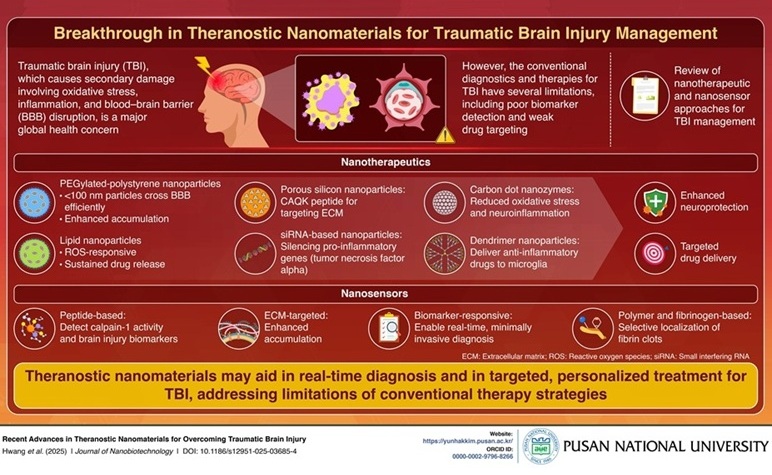
Smart Nanomaterials Detect and Treat Traumatic Brain Injuries Simultaneously
Traumatic brain injury (TBI) continues to leave millions with long-term disabilities every year. After a sudden impact from a fall, collision, or accident, the brain undergoes inflammation, oxidative stress,... Read more
Earlier Blood Transfusion Could Reduce Heart Failure and Arrhythmia in Heart Disease Patients
Blood loss during or after surgery can place significant stress on people with heart disease, increasing the risk of dangerous complications. Transfusions are often delayed until hemoglobin levels fall... Read more
Surgical Techniques
view channel
New Study Findings Could Halve Number of Stent Procedures
When a coronary artery becomes acutely blocked during a heart attack, opening it immediately is essential to prevent irreversible damage. However, many patients also have other narrowed vessels that appear... Read more
Breakthrough Surgical Device Redefines Hip Arthroscopy
Hip arthroscopy has surged in popularity, yet surgeons still face major mechanical constraints when navigating deep joint spaces through traditional cannulas. Limited tool mobility and the need for an... Read more
Patient Care
view channel
Revolutionary Automatic IV-Line Flushing Device to Enhance Infusion Care
More than 80% of in-hospital patients receive intravenous (IV) therapy. Every dose of IV medicine delivered in a small volume (<250 mL) infusion bag should be followed by subsequent flushing to ensure... Read more
VR Training Tool Combats Contamination of Portable Medical Equipment
Healthcare-associated infections (HAIs) impact one in every 31 patients, cause nearly 100,000 deaths each year, and cost USD 28.4 billion in direct medical expenses. Notably, up to 75% of these infections... Read more
Portable Biosensor Platform to Reduce Hospital-Acquired Infections
Approximately 4 million patients in the European Union acquire healthcare-associated infections (HAIs) or nosocomial infections each year, with around 37,000 deaths directly resulting from these infections,... Read more
First-Of-Its-Kind Portable Germicidal Light Technology Disinfects High-Touch Clinical Surfaces in Seconds
Reducing healthcare-acquired infections (HAIs) remains a pressing issue within global healthcare systems. In the United States alone, 1.7 million patients contract HAIs annually, leading to approximately... Read moreBusiness
view channel
Philips and Masimo Partner to Advance Patient Monitoring Measurement Technologies
Royal Philips (Amsterdam, Netherlands) and Masimo (Irvine, California, USA) have renewed their multi-year strategic collaboration, combining Philips’ expertise in patient monitoring with Masimo’s noninvasive... Read more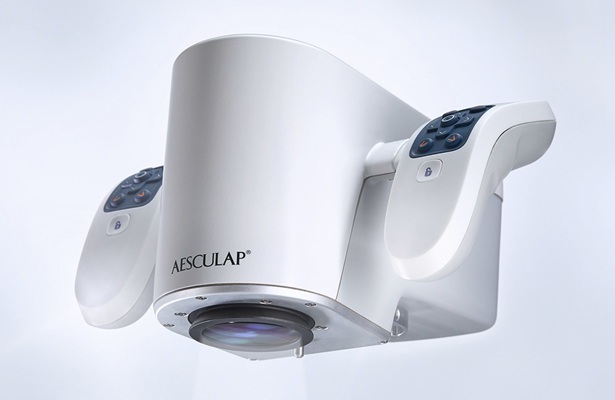
B. Braun Acquires Digital Microsurgery Company True Digital Surgery
The high-end microsurgery market in neurosurgery, spine, and ENT is undergoing a significant transformation. Traditional analog microscopes are giving way to digital exoscopes, which provide improved visualization,... Read more
CMEF 2025 to Promote Holistic and High-Quality Development of Medical and Health Industry
The 92nd China International Medical Equipment Fair (CMEF 2025) Autumn Exhibition is scheduled to be held from September 26 to 29 at the China Import and Export Fair Complex (Canton Fair Complex) in Guangzhou.... Read more