






VR and AI Drive Exponential Growth in Integrated Operating Rooms
|
By HospiMedica International staff writers Posted on 06 Jul 2019 |


|
The operating room (OR) is transforming from a seemingly simple box into a technology-powered, infection-free, and sleek surgical environment. The new-age OR will be able to utilize intelligent and efficient delivery options to improve the precision and predictability of the services offered. This can be made possible through robotic-assisted surgery devices (RASDs), which will greatly help drive the USD 4.50 billion and EU5 hospital OR products and solutions market toward USD 7.04 billion by 2022.
These are the findings of a latest analysis of the US and EU5 hospital OR products and solutions market by Frost & Sullivan (Santa Clara, CA, USA), a growth strategy consulting and research firm. The study analyzes the impact of robotics and workflow solutions on the quality and quantitative measures in the ORs and covers workflow solutions, surgical components in the workplace, and OR room services.
The OR services segment is highly fragmented and has more potential in Europe than the US; however, approximately 70% to 75% of the major hospitals have adopted OR management solutions across both countries. According to the study, for more growth opportunities, market participants can:
• Foster partnerships with medical device and technology companies to deliver products and services across a larger customer base.
• Adopt virtual reality (VR) in medicine to increase volumes of well-planned and cost-effective precision surgeries.
• Employ Artificial Intelligence (AI) algorithms. For instance, Google is investigating predictive analytics to reduce readmission and identify potential patient risks.
• Provide patient-centric services that are not necessarily aligned to clinical outcomes.
"By 2022, 35% to 45% of ORs across the world will become integrated ORs. After 2030, with the availability of multiple home care devices, ORs will shift toward a hub-and-spoke model, with the OR being the hub," said Bejoy Daniel, Senior Industry Analyst, Transformational Health. "Approximately USD 30 billion worth of integration opportunities are likely to become available to healthcare and non-healthcare companies by this period when ORs make the transition from regular rooms to an integrated environment."
"Currently, the priority for vendors is to analyze the available data and facilitate connectivity for device integration. The aim is to interpret, synchronize, and coordinate data to achieve optimal OR results," added Daniel. "Data interoperability will help analyze past and present data to predict future health outcomes and patient wellness index for optimum use of resources. The shift in favor of data and algorithms will fuel the algorithmic business and endow businesses with a competitive edge."
Related Links:
Frost & Sullivan





These are the findings of a latest analysis of the US and EU5 hospital OR products and solutions market by Frost & Sullivan (Santa Clara, CA, USA), a growth strategy consulting and research firm. The study analyzes the impact of robotics and workflow solutions on the quality and quantitative measures in the ORs and covers workflow solutions, surgical components in the workplace, and OR room services.
The OR services segment is highly fragmented and has more potential in Europe than the US; however, approximately 70% to 75% of the major hospitals have adopted OR management solutions across both countries. According to the study, for more growth opportunities, market participants can:
• Foster partnerships with medical device and technology companies to deliver products and services across a larger customer base.
• Adopt virtual reality (VR) in medicine to increase volumes of well-planned and cost-effective precision surgeries.
• Employ Artificial Intelligence (AI) algorithms. For instance, Google is investigating predictive analytics to reduce readmission and identify potential patient risks.
• Provide patient-centric services that are not necessarily aligned to clinical outcomes.
"By 2022, 35% to 45% of ORs across the world will become integrated ORs. After 2030, with the availability of multiple home care devices, ORs will shift toward a hub-and-spoke model, with the OR being the hub," said Bejoy Daniel, Senior Industry Analyst, Transformational Health. "Approximately USD 30 billion worth of integration opportunities are likely to become available to healthcare and non-healthcare companies by this period when ORs make the transition from regular rooms to an integrated environment."
"Currently, the priority for vendors is to analyze the available data and facilitate connectivity for device integration. The aim is to interpret, synchronize, and coordinate data to achieve optimal OR results," added Daniel. "Data interoperability will help analyze past and present data to predict future health outcomes and patient wellness index for optimum use of resources. The shift in favor of data and algorithms will fuel the algorithmic business and endow businesses with a competitive edge."
Related Links:
Frost & Sullivan

New
Gold Member
Handheld Blood Glucose Analyzer
STAT-Site
New
Vessel Sealing Instrument
ERGOseal
New
Resorbable Bovine Collagen Membrane
GenDerm
Latest AI News
- AI Analysis of Pericardial Fat Refines Long-Term Heart Disease Risk
- Machine Learning Approach Enhances Liver Cancer Risk Stratification
- New AI Approach Monitors Brain Health Using Passive Wearable Data
- AI Tool Maps Early Risk Patterns in Bloodstream Infections
- AI Model Identifies Rare Endocrine Disorder from Hand Images
- AI Tool Promises to Reduce Length of Hospital Stays and Free Up Beds
Channels
Artificial Intelligence
view channel
AI Analysis of Pericardial Fat Refines Long-Term Heart Disease Risk
Accurately identifying long-term cardiovascular disease risk in asymptomatic adults remains challenging for clinicians. Missed or underestimated risk delays preventive therapy and increases the chance... Read more
Machine Learning Approach Enhances Liver Cancer Risk Stratification
Hepatocellular carcinoma, the most common form of primary liver cancer, is often detected late despite targeted surveillance programs. Current screening guidelines emphasize patients with known cirrhosis,... Read more

Critical Care
view channel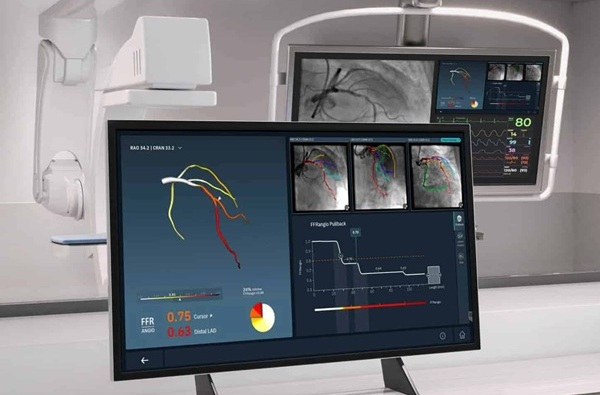
Angiography-Based FFR Approach Matches Gold Standard Results Without Wires
Accurately determining whether a coronary stenosis limits blood flow is essential to guide percutaneous coronary intervention, yet wire-based physiologic testing remains underused due to added procedural... Read more
Eye Imaging AI Identifies Elevated Cardiovascular Risk
Many adults at risk for atherosclerotic cardiovascular disease are not identified until they undergo formal primary care assessment. Delayed risk recognition can postpone initiation of statins and lifestyle... Read more

Surgical Techniques
view channel
Fiber-Form Bone Graft Expands Intraoperative Options for Spinal Fusion
Spinal and orthopedic fusion procedures often require bone graft materials that handle predictably and support bone formation. Surgeons face added complexity in difficult anatomy and challenging fusion environments.... Read more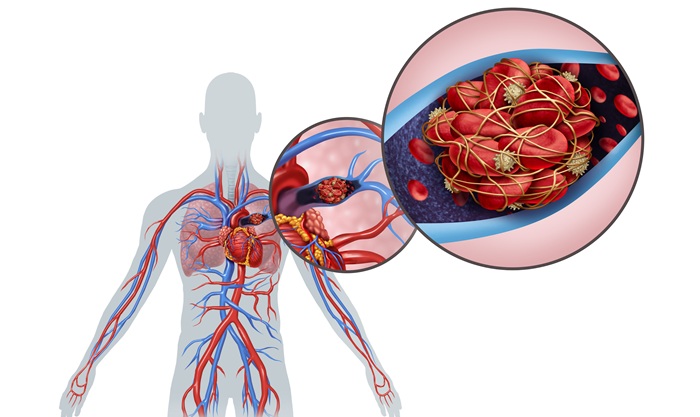
Ultrasound‑Aided Catheter Treatment Cuts Early Collapse in Pulmonary Embolism
Acute pulmonary embolism can cause rapid hemodynamic deterioration and early death in hospitalized and emergency patients. Systemic thrombolysis can dissolve clots but is limited by a high risk of major... Read more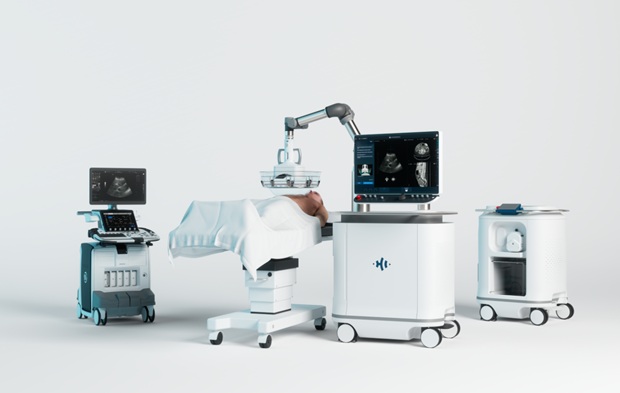

Patient Care
view channel
Wearable Sleep Data Predict Adherence to Pulmonary Rehabilitation
Chronic obstructive pulmonary disease (COPD) is a long-term lung disorder that makes breathing difficult and often disturbs sleep, reducing energy for daily activities. Limited engagement in pulmonary... Read more
Revolutionary Automatic IV-Line Flushing Device to Enhance Infusion Care
More than 80% of in-hospital patients receive intravenous (IV) therapy. Every dose of IV medicine delivered in a small volume (<250 mL) infusion bag should be followed by subsequent flushing to ensure... Read more

Health IT
view channel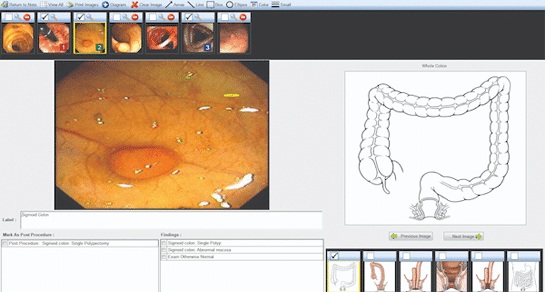
Voice-Driven AI System Enables Structured GI Procedure Documentation
Documentation during gastrointestinal (GI) procedures often competes with real-time clinical decision-making and imposes a significant cognitive burden on physicians. Manual data entry and post-procedure... Read more
EMR-Based Tool Predicts Graft Failure After Kidney Transplant
Kidney transplantation offers patients with end-stage kidney disease longer survival and better quality of life than dialysis, yet graft failure remains a major challenge. Although a successful transplant... Read more
Printable Molecule-Selective Nanoparticles Enable Mass Production of Wearable Biosensors
The future of medicine is likely to focus on the personalization of healthcare—understanding exactly what an individual requires and delivering the appropriate combination of nutrients, metabolites, and... Read more

Business
view channel
GE HealthCare Leads Major European Initiative to Advance Cardio-Oncology Care
Cardiovascular complications are increasingly recognized among people undergoing or recovering from cancer treatment, driven by pre‑existing disease and the cardiotoxic effects of chemotherapy, radiotherapy,... Read more

