Pulmonary Function Testing Platforms Advance Respiratory Diagnostics
|
By HospiMedica International staff writers Posted on 29 Aug 2019 |


|
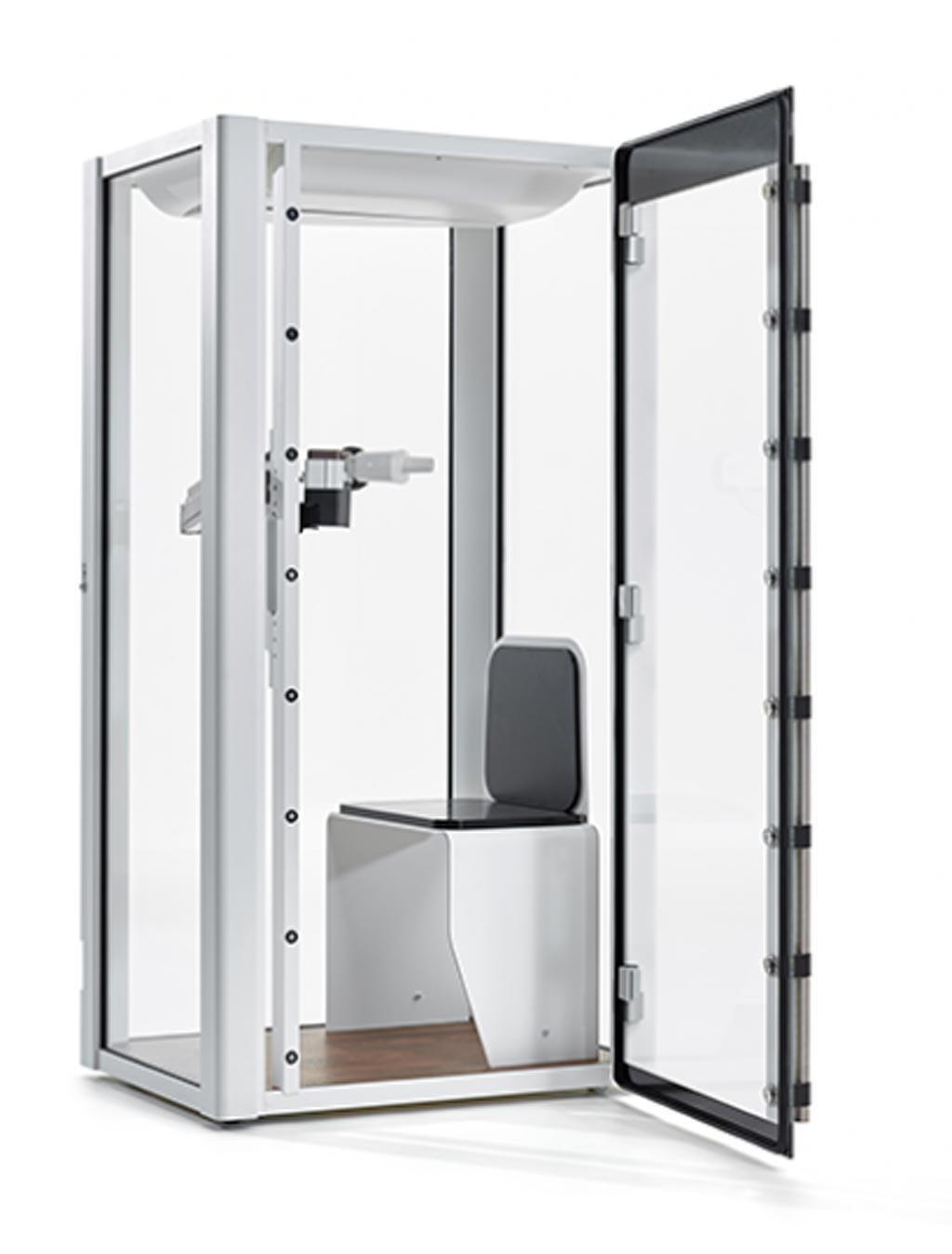
Image: The Vyntus BODY system for plethysmography exams (Photo courtesy of Vyaire Medical).
Two new innovative pulmonary function testing (PFT) systems provide user friendly accessibility for both patients and technicians.
The Vyaire Medical (Chicago, IL, USA) Vyntus ONE is designed to be a convenient PFT station available in a fixed or mobile configuration that is patient-friendly and easy for clinicians to use. Features include complete PFT procedures such as spirometry, diffusing capacity for carbon monoxide (DLCO), nitrogen washout lung volumes, lung clearance index (LCI), and Maximum Inspiratory and Expiratory Pressures (MIP and MEP), which represent respiratory muscle strength. Vyntus ONE can also be expanded to do cardiopulmonary stress testing, creating a single device on minimal footprint.
The Vyntus BODY system conducts plethysmography exams with features similar to the Vyntus ONE, but can accommodate patients of all sizes and mobility in an all-glass test cabin with spacious interior space and a comfortable bench. Additional innovations include digital pressure compensation, which helps to reduce environmental influences and improves measurement accuracy. Both systems include a newly designed ultrasonic flow sensor that represents significant improvements in the efficiency and accuracy of PFT.
All Vyntus technologies run on the SentrySuite Software, which provides automated workflow processes for more than 20 PFT and cardiopulmonary Exercise Test (CPET) measurement methods. SentrySuite also provides seamless integration and secure connectivity with clinical infrastructure and institutional electronic medical records (EMR) platforms. The simple user interface provides guidance cues and quality control feedback to help technicians and patients achieve acceptable and repeatable results. An advanced cybersecurity umbrella with stringent access controls keeps sensitive patient information safe and protected.
“These new Vyntus products offer a modern ergonomic design, state-of-the-art ultrasonic sensor technology for consistent and accurate respiratory testing, as well as more efficient hygiene and maintenance protocols for customers,” said Dave Eckley, CEO of Vyaire Medical. “These benefits are absolutely meaningful in today's respiratory diagnostics clinical environment and demonstrate the value of the Vyaire technologies.”
Related Links:
Vyaire Medical





The Vyaire Medical (Chicago, IL, USA) Vyntus ONE is designed to be a convenient PFT station available in a fixed or mobile configuration that is patient-friendly and easy for clinicians to use. Features include complete PFT procedures such as spirometry, diffusing capacity for carbon monoxide (DLCO), nitrogen washout lung volumes, lung clearance index (LCI), and Maximum Inspiratory and Expiratory Pressures (MIP and MEP), which represent respiratory muscle strength. Vyntus ONE can also be expanded to do cardiopulmonary stress testing, creating a single device on minimal footprint.
The Vyntus BODY system conducts plethysmography exams with features similar to the Vyntus ONE, but can accommodate patients of all sizes and mobility in an all-glass test cabin with spacious interior space and a comfortable bench. Additional innovations include digital pressure compensation, which helps to reduce environmental influences and improves measurement accuracy. Both systems include a newly designed ultrasonic flow sensor that represents significant improvements in the efficiency and accuracy of PFT.
All Vyntus technologies run on the SentrySuite Software, which provides automated workflow processes for more than 20 PFT and cardiopulmonary Exercise Test (CPET) measurement methods. SentrySuite also provides seamless integration and secure connectivity with clinical infrastructure and institutional electronic medical records (EMR) platforms. The simple user interface provides guidance cues and quality control feedback to help technicians and patients achieve acceptable and repeatable results. An advanced cybersecurity umbrella with stringent access controls keeps sensitive patient information safe and protected.
“These new Vyntus products offer a modern ergonomic design, state-of-the-art ultrasonic sensor technology for consistent and accurate respiratory testing, as well as more efficient hygiene and maintenance protocols for customers,” said Dave Eckley, CEO of Vyaire Medical. “These benefits are absolutely meaningful in today's respiratory diagnostics clinical environment and demonstrate the value of the Vyaire technologies.”
Related Links:
Vyaire Medical

Gold Member
NEW PRODUCT : SILICONE WASHING MACHINE TRAY COVER WITH VICOLAB SILICONE NET VICOLAB®
REGISTRED 682.9
Immobilization System
Cranial 4Pi Immobilization
Pediatric Mask
Respire SOFT
Latest Critical Care News
- Anatomical Guidance System Improves Trauma Ultrasound Acquisition by Novice Users
- AI-Enhanced Handheld Ultrasound Improves Carotid Plaque Detection
- Noninvasive Imaging Approach Aims to Detect Basal Cell Carcinoma Before It Becomes Visible
- New Sensor Could Bring Contactless Vital Sign Monitoring to Hospital Bedsides
- Diamond-Based Magnetometers Could Enable New Approaches to Heart Monitoring
- Emergency Department Campaign Reduces CT Use Without Identified Missed Injuries
- Portable Artificial Lung Technology Could Reshape Care for Chronic Lung Disease
- FDA Clears Multi-Device ECG Analysis Software for Extended Monitoring
- Multimodal AI Improves Treatment Response Prediction in Lung Cancer
- New Approach Helps Identify Materials for More Reliable Wearable Electronics
- Scotland Adopts Respiratory Infection Control Guidance Informed by Aerosol Research
- Hospital Safety Program Linked to 65% Reduction in MRSA Bloodstream Infections
- Wearable Microneedle Device Aims to Enable Remotely Managed Pain Relief
- Octopus-Inspired Patch Improves Adhesion for Transdermal Drug Delivery
- Multimodal AI System Tracks Early Warning Signs of Mental Health Crisis
- Self-Folding Paper Sensor Conforms to Body Without Straps or Adhesives
Channels
Artificial Intelligence
view channel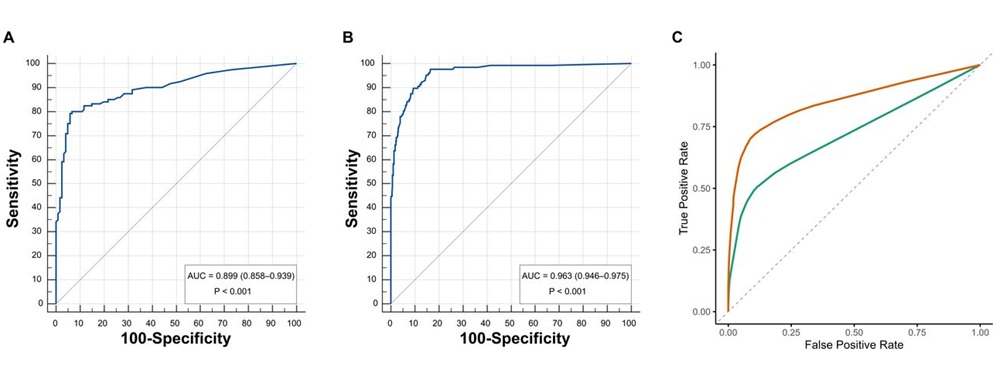
AI Improves Non-Contrast CT Interpretation for Time-Sensitive Stroke Assessment
Acute ischemic stroke occurs when a blood vessel in the brain becomes blocked, requiring rapid diagnosis to enable timely reperfusion therapy. Emergency departments often use computed tomography angiography... Read more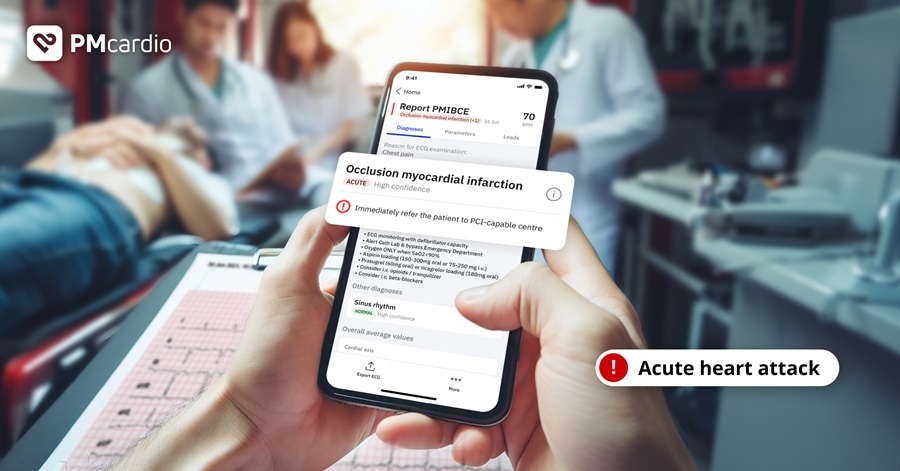
AI-Powered ECG Model Gains FDA Authorization for Emergency Cardiac Assessment
Powerful Medical’s PMcardio Queen of Hearts (ACS AI ECG Model) has received U.S. Food and Drug Administration (FDA) De Novo authorization, announced on September 15, 2026. The model is designed to identify... Read more
Surgical Techniques
view channel
Light-Activated Nanoparticles May Offer New Approach to Retinal Prostheses
Retinitis pigmentosa is a degenerative retinal disorder in which photoreceptors progressively die, reducing visual signals to the brain while leaving surviving inner retinal circuits underused.... Read more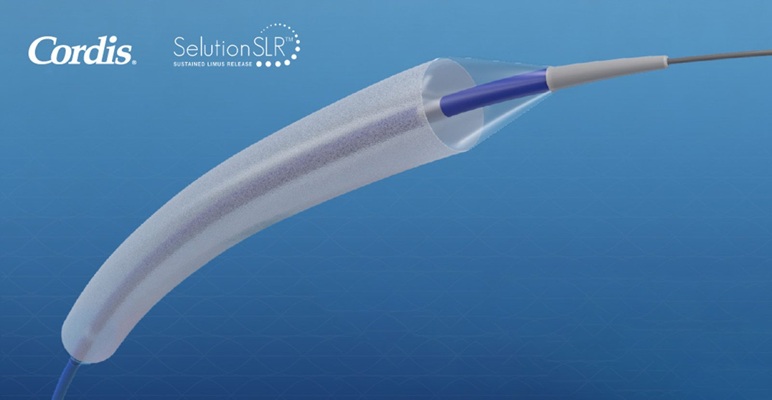
FDA Approves First Sirolimus Drug-Eluting Balloon for Coronary In-Stent Restenosis
Coronary in-stent restenosis (ISR) accounts for about 10% of the nearly one million percutaneous coronary interventions performed annually in the United States. Treating recurrent narrowing without another... Read more
Patient Care
view channel
EHR Model Flags High-Risk Periods in Patients with Metastatic Breast Cancer
Determining when patients with metastatic breast cancer are nearing the end of life remains difficult, often leading to intensive interventions with limited benefit. Prognostic uncertainty can delay goals-of-care... Read more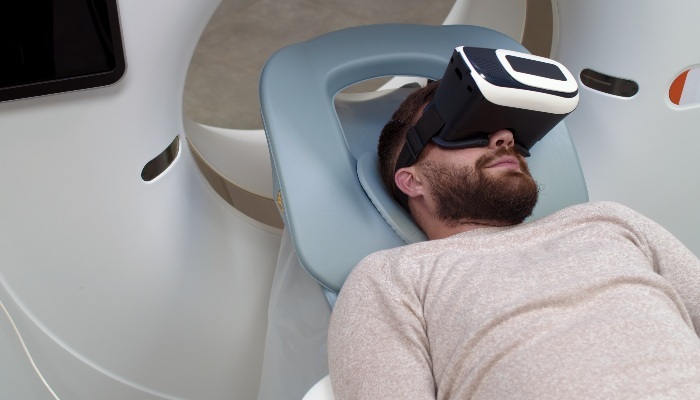
Virtual Reality Helps Claustrophobic Patients Complete Cardiac PET/CT Scans
Anxiety and claustrophobia—intense fear of confined spaces—often prevent patients from completing cardiac positron emission tomography/computed tomography (PET/CT). Aborted scans delay diagnosis, consume... Read more

Medical Imaging
view channel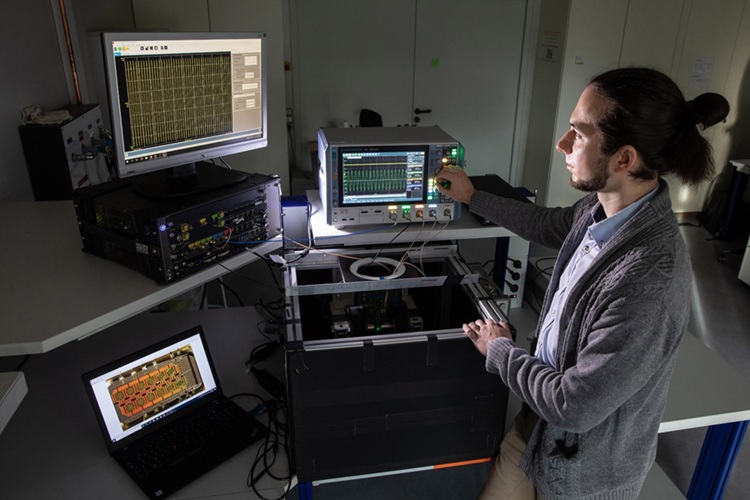
New MRI Approach Captures Rapidly Decaying Tissue Signals
MRI measures signals generated as excited proton spins return toward equilibrium. However, some tissue signals decay so rapidly that conventional systems can miss them during the brief interval after excitation,... Read more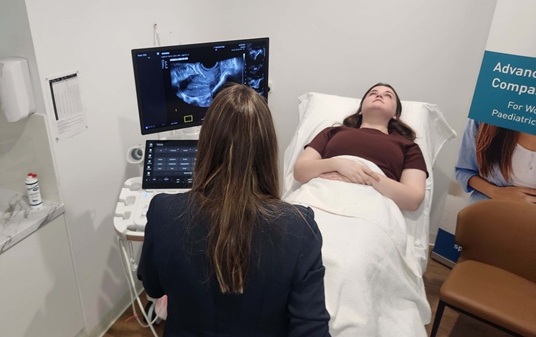
AI Tool Integrates MRI and Ultrasound to Detect Endometriosis
Endometriosis is a chronic condition in which tissue similar to the uterine lining grows outside the uterus, causing pain, heavy bleeding, and infertility. Diagnosis often depends on surgical visualization,... Read more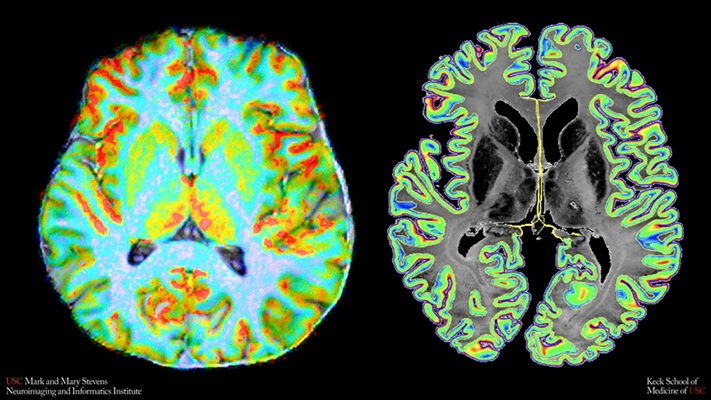

Health IT
view channel
New Tablet Platform Extends Stroke Neurorehabilitation Beyond the Clinic
Continuity and intensity of neurorehabilitation after stroke are critical for functional recovery, but access to ongoing therapy at home often remains limited. Hospitals and outpatient programs therefore... Read more
Smartphone App Improves Blood Pressure Control in Hypertension
Hypertension, or high blood pressure, is a major modifiable driver of cardiovascular, renal, and cerebrovascular morbidity. Despite effective therapies, many adults fail to achieve control, leading to... Read more

Point of Care
view channel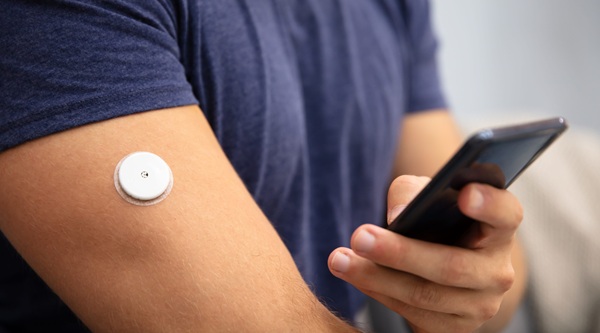
Continuous Glucose Monitoring Identifies Cardiometabolic Risk in Adults Without Diabetes
Dysglycemia—abnormal blood glucose regulation—can fluctuate throughout the day and often escape conventional screening. Clinicians typically rely on fasting plasma glucose and hemoglobin A1c, which offer... Read more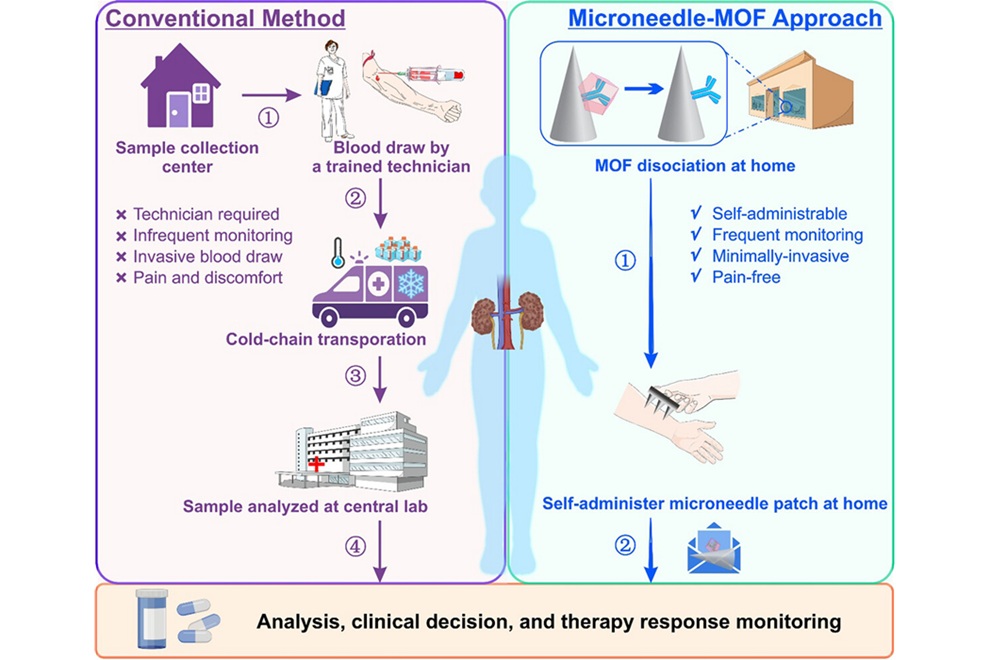
Microneedle Patch Enables At-Home Monitoring of Acute Kidney Injury
Kidney disease is often silent in its early stages, making timely detection difficult outside clinical settings. Early biomarkers such as neutrophil gelatinase–associated lipocalin can require blood draws... Read more

Business
view channel
Medtronic Receives FDA Clearance for Vessel-Sealing Instrument for Robotic Surgery
As robotic-assisted surgery expands across U.S. hospitals, teams increasingly seek energy instruments with the familiarity and performance of tools used in open and laparoscopic procedures.... Read more
Robotic Single-Port System Gains CE Mark for Transvaginal Gynecologic Procedures
Intuitive (Sunnyvale, CA, USA) announced that it has received CE mark approval for use of the da Vinci SP Single Port surgical system in transvaginal gynecologic procedures, marking the first such indication... Read more