






Non-Invasive Probe Quantifies Tissue Blood Flow Rate
|
By HospiMedica International staff writers Posted on 16 Oct 2019 |


|
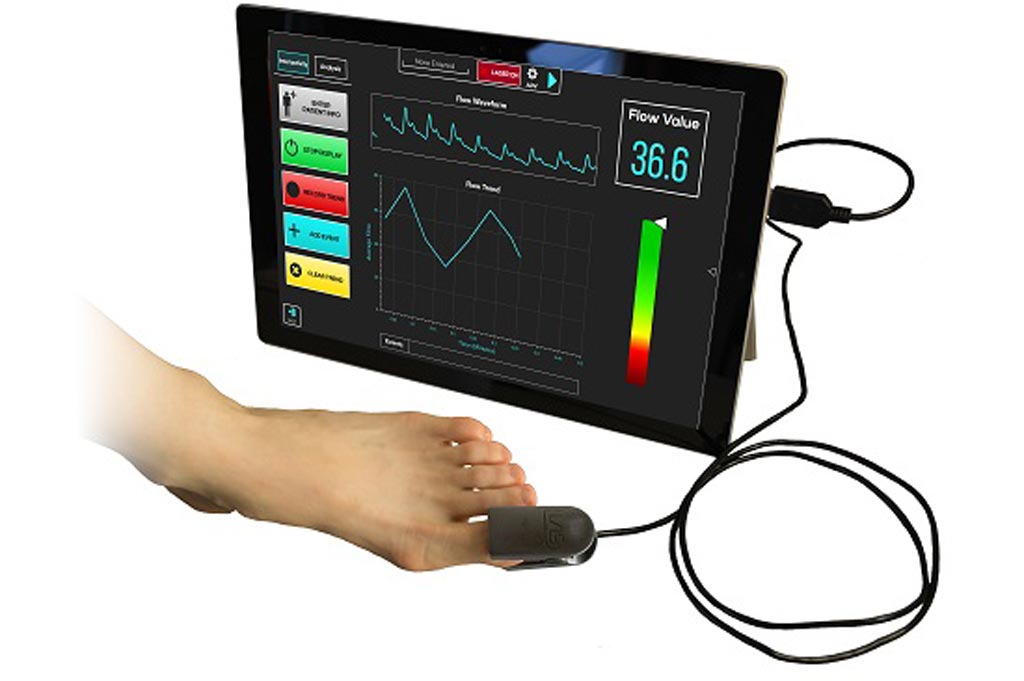
Image: The FlowMet-R system (Photo courtesy of LAS).
A new sensor that clips onto fingers or toes provides an improved method of detecting and measuring treatment efficacy in peripheral artery disease (PAD).
The Laser Associated Sciences (LAS; Irvine, CA, USA) FlowMet-R includes a small laser diode and a camera the size of a postage stamp that combine to measure blood flow in a digit in real time; the measurement reflects the severity of PAD vascular disease upstream of the digit. The device is based on laser speckle imaging, with the source and detector on opposite sides of one another in order to produce reduced motion artifact and reduced laser exposure to the eyes, allowing safer intra-procedural monitoring during peripheral vascular surgery.
In tests conducted on patients before, during, and after vascular disruption induced via brachial artery occlusion, FlowMet-R system measurements were found to be significantly correlated with benchmark laser Doppler, with no significant differences in the mean flow value measured among people of all skin colors. The difference in mean transmitted intensity between light-skinned (White/Caucasian) patients and any other group demonstrated that skin tone did not significantly decrease light source throughput.
“The FlowMet-R technology provides much-needed insight into to the efficacy of revascularization surgeries in real time. By directly measuring limb perfusion during surgeries, physicians can see for the first time whether peripheral blood flow in being improved,” said Sean White, CEO of LAS. “This reduces the ambiguity that clinicians currently face in knowing not only if an intervention is effective, but how effective it is. For that reason, the operating room is where we see the technology being adopted first, and we’re really excited to see that.”
PAD results when the peripheral arteries become too narrow or obstructed due to plaque and limit the blood flow to the legs. If left untreated, PAD can cause pain or aching in the legs, difficulty with walking, resting pain in the foot at night in bed, non-healing sores or infections in the toes or feet, and can ultimately lead to limb loss in its most severe form. In addition, it can be associated with other serious arterial conditions leading to heart attacks and stroke.
Related Links:
Laser Associated Sciences




The Laser Associated Sciences (LAS; Irvine, CA, USA) FlowMet-R includes a small laser diode and a camera the size of a postage stamp that combine to measure blood flow in a digit in real time; the measurement reflects the severity of PAD vascular disease upstream of the digit. The device is based on laser speckle imaging, with the source and detector on opposite sides of one another in order to produce reduced motion artifact and reduced laser exposure to the eyes, allowing safer intra-procedural monitoring during peripheral vascular surgery.
In tests conducted on patients before, during, and after vascular disruption induced via brachial artery occlusion, FlowMet-R system measurements were found to be significantly correlated with benchmark laser Doppler, with no significant differences in the mean flow value measured among people of all skin colors. The difference in mean transmitted intensity between light-skinned (White/Caucasian) patients and any other group demonstrated that skin tone did not significantly decrease light source throughput.
“The FlowMet-R technology provides much-needed insight into to the efficacy of revascularization surgeries in real time. By directly measuring limb perfusion during surgeries, physicians can see for the first time whether peripheral blood flow in being improved,” said Sean White, CEO of LAS. “This reduces the ambiguity that clinicians currently face in knowing not only if an intervention is effective, but how effective it is. For that reason, the operating room is where we see the technology being adopted first, and we’re really excited to see that.”
PAD results when the peripheral arteries become too narrow or obstructed due to plaque and limit the blood flow to the legs. If left untreated, PAD can cause pain or aching in the legs, difficulty with walking, resting pain in the foot at night in bed, non-healing sores or infections in the toes or feet, and can ultimately lead to limb loss in its most severe form. In addition, it can be associated with other serious arterial conditions leading to heart attacks and stroke.
Related Links:
Laser Associated Sciences

New
Gold Member
Handheld Blood Glucose Analyzer
STAT-Site
New
Syringe Pump
SP50 Series
New
Tourniquet System
heidi– mein Tourniquet
Latest Critical Care News
- Noninvasive Monitoring Device Enables Earlier Intervention in Heart Failure
- Automated IV Labeling Solution Improves Infusion Safety and Efficiency
- First-Of-Its-Kind AI Tool Detects Pulmonary Hypertension from Standard ECGs
- 4D Digital Twin Heart Model Improves CRT Outcomes
- AI Turns Glucose Data Into Actionable Insights for Diabetes Care
- Microscale Wireless Implant Tracks Brain Activity Over Time
- Smart Mask Delivers Continuous, Battery-Free Breath Monitoring
- Routine Blood Pressure Readings May Identify Risk of Future Cognitive Decline
- CGM-Based Algorithm Enhances Insulin Dose Adjustment in Type 2 Diabetes
- Fish Scale–Based Implants Offer New Approach to Corneal Repair
- Dual-Function Wound Patch Combines Infection Sensing and Treatment
- Smartwatch Signals and Blood Tests Team Up for Early Warning on Insulin Resistance
- Smart Fabric Technology Aims to Prevent Pressure Injuries in Hospital Care
- Standardized Treatment Algorithm Improves Blood Pressure Control
- Combined Infection Control Strategy Limits Drug-Resistant Outbreak in NICU
- AI Helps Predict Which Heart-Failure Patients Will Worsen Within a Year
Channels
Artificial Intelligence
view channel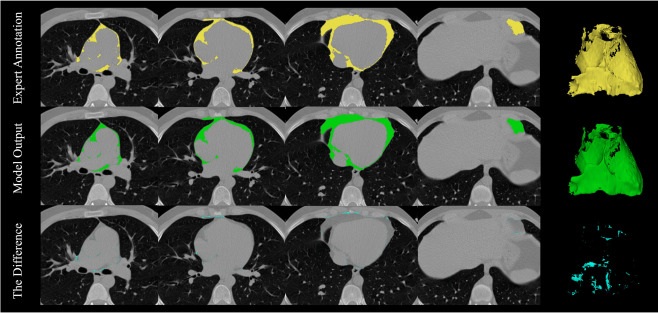
AI Analysis of Pericardial Fat Refines Long-Term Heart Disease Risk
Accurately identifying long-term cardiovascular disease risk in asymptomatic adults remains challenging for clinicians. Missed or underestimated risk delays preventive therapy and increases the chance... Read more
Machine Learning Approach Enhances Liver Cancer Risk Stratification
Hepatocellular carcinoma, the most common form of primary liver cancer, is often detected late despite targeted surveillance programs. Current screening guidelines emphasize patients with known cirrhosis,... Read more

Surgical Techniques
view channel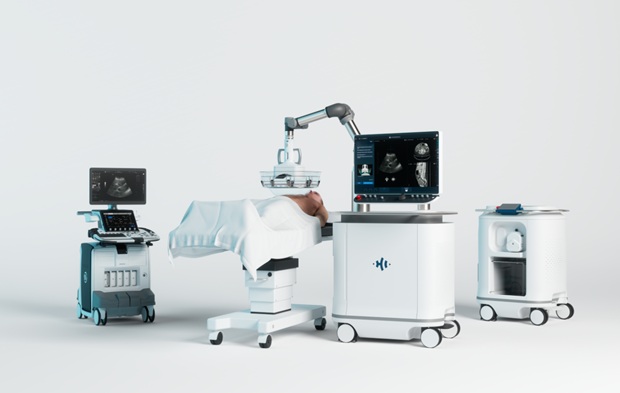
Ultrasound Technology Aims to Replace Invasive BPH Procedures
Benign prostatic hyperplasia (BPH) is a frequent cause of lower urinary tract symptoms in aging men and often requires invasive procedures or prolonged recovery. With prevalence expected to rise as populations... Read more
Continuous Monitoring with Wearables Enhances Postoperative Patient Safety
Postoperative hypoxemia on general surgical wards is common and often missed by intermittent vital sign checks. Undetected low oxygen levels can delay recovery and raise the risk of complications that... Read more
Patient Care
view channel
Wearable Sleep Data Predict Adherence to Pulmonary Rehabilitation
Chronic obstructive pulmonary disease (COPD) is a long-term lung disorder that makes breathing difficult and often disturbs sleep, reducing energy for daily activities. Limited engagement in pulmonary... Read more
Revolutionary Automatic IV-Line Flushing Device to Enhance Infusion Care
More than 80% of in-hospital patients receive intravenous (IV) therapy. Every dose of IV medicine delivered in a small volume (<250 mL) infusion bag should be followed by subsequent flushing to ensure... Read more

Health IT
view channel
EMR-Based Tool Predicts Graft Failure After Kidney Transplant
Kidney transplantation offers patients with end-stage kidney disease longer survival and better quality of life than dialysis, yet graft failure remains a major challenge. Although a successful transplant... Read more
Printable Molecule-Selective Nanoparticles Enable Mass Production of Wearable Biosensors
The future of medicine is likely to focus on the personalization of healthcare—understanding exactly what an individual requires and delivering the appropriate combination of nutrients, metabolites, and... Read more


Business
view channel
GE HealthCare Leads Major European Initiative to Advance Cardio-Oncology Care
Cardiovascular complications are increasingly recognized among people undergoing or recovering from cancer treatment, driven by pre‑existing disease and the cardiotoxic effects of chemotherapy, radiotherapy,... Read more

