






Pulmonary Embolism Blood Tests Reduce Radiation Exposure
|
By HospiMedica International staff writers Posted on 24 Dec 2019 |


|
A new study suggests that D-dimer blood tests can help rule out pulmonary embolism (PE), reducing the need for a diagnostic computerized tomography (CT) scan.
Researchers at McMaster University (Hamilton, ON, Canada), the University of Alberta (Edmonton, Canada), McGill University (Montreal, Canada), and other institutions conducted a prospective study involving 2,017 adult (average age 52 years, 66% female), of whom 7.4% had PE on initial diagnostic testing. PE was considered to be ruled out without further testing in outpatients with a low clinical pretest probability (C-PTP) and a D-dimer level of less than 1000 ng per milliliter, or with a moderate C-PTP and a D-dimer level of less than 500 ng per milliliter.
All other suspected patients underwent chest imaging (usually CT pulmonary angiography); if PE was not diagnosed, the patients did not receive anticoagulant therapy. All patients were followed for 3 months to detect venous thromboembolism (VTE). The results revealed that none of patients who were ruled out based on C-PTP and d-dimer levels had VTE at follow-up. Of 1,863 patients who did not receive a diagnosis of PE initially, and did not receive anticoagulant therapy, one patient had VTE. The study was published on November 27, 2019, in the New England Journal of Medicine (NEJM).
“When a physician is concerned that PE may be present, chest imaging with CT pulmonary angiography is usually done in half of these patients. We wanted to find a way to reduce the number of CT scans that need to be done,” concluded lead author Professor Clive Kearon, MB, PhD, of McMaster University. “Our diagnostic strategy resulted in the use of chest imaging in 34.3% of patients, whereas a strategy in which PE is considered to be ruled out with a low C-PTP and a d-dimer level of less than 500 ng per milliliter would result in the use of chest imaging in 51.9%. This way of using D-dimer testing and clinical assessment reduced the need for CT scanning by one-third.”
D-dimer is a fibrin degradation product. It is so named because it contains two D fragments of the fibrin protein joined by a cross-link. Since its introduction in the 1990s, it has become an important test for patients with suspected thrombotic disorders. While a negative result practically rules out thrombosis, a positive result can indicate thrombosis, but does not rule out other potential causes. Its main use, therefore, is to exclude thromboembolic disease where the probability is low.
Related Links:
McMaster University
University of Alberta
McGill University




Researchers at McMaster University (Hamilton, ON, Canada), the University of Alberta (Edmonton, Canada), McGill University (Montreal, Canada), and other institutions conducted a prospective study involving 2,017 adult (average age 52 years, 66% female), of whom 7.4% had PE on initial diagnostic testing. PE was considered to be ruled out without further testing in outpatients with a low clinical pretest probability (C-PTP) and a D-dimer level of less than 1000 ng per milliliter, or with a moderate C-PTP and a D-dimer level of less than 500 ng per milliliter.
All other suspected patients underwent chest imaging (usually CT pulmonary angiography); if PE was not diagnosed, the patients did not receive anticoagulant therapy. All patients were followed for 3 months to detect venous thromboembolism (VTE). The results revealed that none of patients who were ruled out based on C-PTP and d-dimer levels had VTE at follow-up. Of 1,863 patients who did not receive a diagnosis of PE initially, and did not receive anticoagulant therapy, one patient had VTE. The study was published on November 27, 2019, in the New England Journal of Medicine (NEJM).
“When a physician is concerned that PE may be present, chest imaging with CT pulmonary angiography is usually done in half of these patients. We wanted to find a way to reduce the number of CT scans that need to be done,” concluded lead author Professor Clive Kearon, MB, PhD, of McMaster University. “Our diagnostic strategy resulted in the use of chest imaging in 34.3% of patients, whereas a strategy in which PE is considered to be ruled out with a low C-PTP and a d-dimer level of less than 500 ng per milliliter would result in the use of chest imaging in 51.9%. This way of using D-dimer testing and clinical assessment reduced the need for CT scanning by one-third.”
D-dimer is a fibrin degradation product. It is so named because it contains two D fragments of the fibrin protein joined by a cross-link. Since its introduction in the 1990s, it has become an important test for patients with suspected thrombotic disorders. While a negative result practically rules out thrombosis, a positive result can indicate thrombosis, but does not rule out other potential causes. Its main use, therefore, is to exclude thromboembolic disease where the probability is low.
Related Links:
McMaster University
University of Alberta
McGill University

Gold Member
SARS‑CoV‑2/Flu A/Flu B/RSV Sample-To-Answer Test
SARS‑CoV‑2/Flu A/Flu B/RSV Cartridge (CE-IVD)
New
Monitor/Defibrillator
Zenix
New
Desk Aneroid Sphyg
Diagnostix 750D+
Latest General/Advanced Imaging News
Channels
Artificial Intelligence
view channel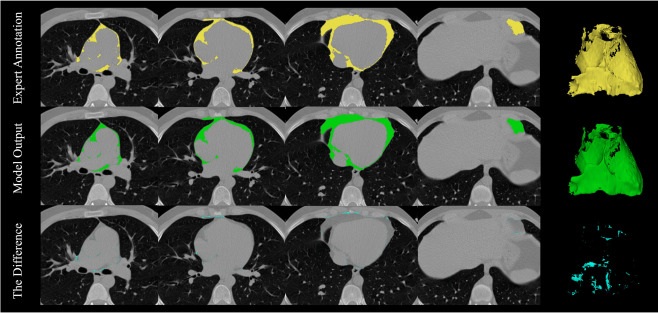
AI Analysis of Pericardial Fat Refines Long-Term Heart Disease Risk
Accurately identifying long-term cardiovascular disease risk in asymptomatic adults remains challenging for clinicians. Missed or underestimated risk delays preventive therapy and increases the chance... Read more
Machine Learning Approach Enhances Liver Cancer Risk Stratification
Hepatocellular carcinoma, the most common form of primary liver cancer, is often detected late despite targeted surveillance programs. Current screening guidelines emphasize patients with known cirrhosis,... Read more

Critical Care
view channel
Noninvasive Monitoring Device Enables Earlier Intervention in Heart Failure
Hospitalizations for heart failure with preserved ejection fraction (HFpEF) remain common because lung congestion often worsens before symptoms prompt treatment changes. Missed early decompensation... Read more
Automated IV Labeling Solution Improves Infusion Safety and Efficiency
Medication administration in high-acuity settings is often complicated by multiple concurrent infusions, making accurate line identification essential. In a 10-hospital intensive care unit study, 60% of... Read more

Surgical Techniques
view channel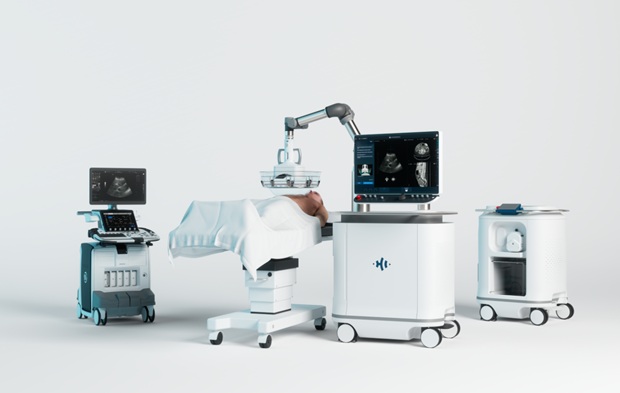
Ultrasound Technology Aims to Replace Invasive BPH Procedures
Benign prostatic hyperplasia (BPH) is a frequent cause of lower urinary tract symptoms in aging men and often requires invasive procedures or prolonged recovery. With prevalence expected to rise as populations... Read more
Continuous Monitoring with Wearables Enhances Postoperative Patient Safety
Postoperative hypoxemia on general surgical wards is common and often missed by intermittent vital sign checks. Undetected low oxygen levels can delay recovery and raise the risk of complications that... Read more
Patient Care
view channel
Wearable Sleep Data Predict Adherence to Pulmonary Rehabilitation
Chronic obstructive pulmonary disease (COPD) is a long-term lung disorder that makes breathing difficult and often disturbs sleep, reducing energy for daily activities. Limited engagement in pulmonary... Read more
Revolutionary Automatic IV-Line Flushing Device to Enhance Infusion Care
More than 80% of in-hospital patients receive intravenous (IV) therapy. Every dose of IV medicine delivered in a small volume (<250 mL) infusion bag should be followed by subsequent flushing to ensure... Read more

Health IT
view channel
EMR-Based Tool Predicts Graft Failure After Kidney Transplant
Kidney transplantation offers patients with end-stage kidney disease longer survival and better quality of life than dialysis, yet graft failure remains a major challenge. Although a successful transplant... Read more
Printable Molecule-Selective Nanoparticles Enable Mass Production of Wearable Biosensors
The future of medicine is likely to focus on the personalization of healthcare—understanding exactly what an individual requires and delivering the appropriate combination of nutrients, metabolites, and... Read more


Business
view channel
GE HealthCare Leads Major European Initiative to Advance Cardio-Oncology Care
Cardiovascular complications are increasingly recognized among people undergoing or recovering from cancer treatment, driven by pre‑existing disease and the cardiotoxic effects of chemotherapy, radiotherapy,... Read more

