






AI Enabled Ultrasound Device Advances Spine Surgery
|
By HospiMedica International staff writers Posted on 29 Apr 2020 |


|
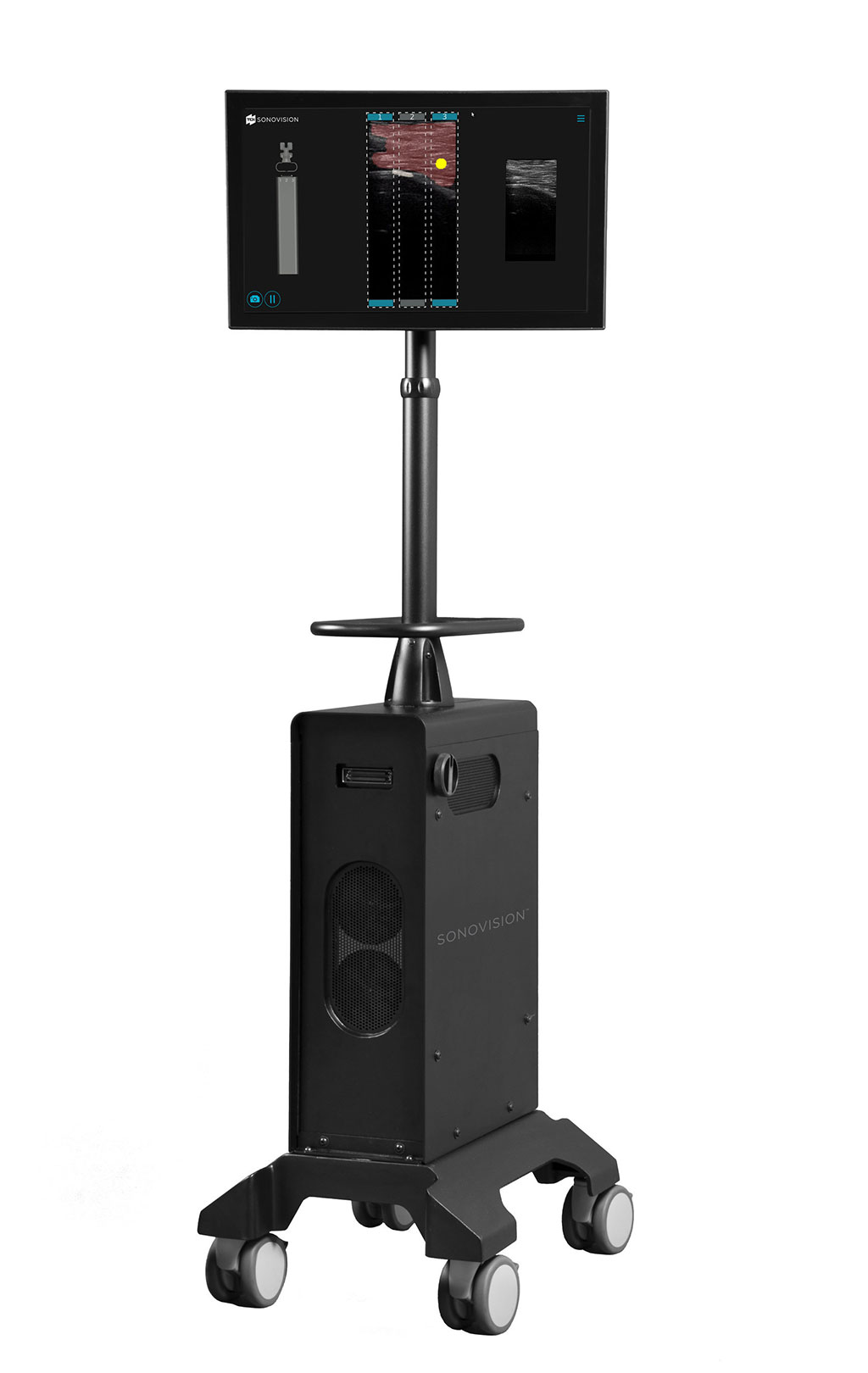
Image: The SonoVision ultrasound imaging system (Photo courtesy of TDi).
An innovative real-time surgical ultrasound imaging platform provides intraoperative imaging assistance in spinal procedure applications.
The Tissue Differentiation Intelligence (TDi; Delray Beach; FL. USA) SonoVision ultrasound imaging system is intended for visualization and evaluation of bones, nerves, vascular, and other anatomical structures using the Beluga1 10 MHz transducer probe, an ergonomically designed probe developed specifically for spinal procedures. The system includes image processing software used to define anatomical features in an ultrasound B-mode image. By applying layers of image-processing algorithms to the images collected intraoperatively, it can then differentiate nerve, muscle, bone, and vessels in real time.
Features include Doppler echographic imaging and non-user adjustable acoustic output; intuitive color flow mapping of nerve, muscle, and bone; real-time 2D bone and tissue scanning and differentiation; internal function radiofrequency (RF) energy, resulting in very low RF emissions; proprietary imaging software, data capture, and external storage; and electrical safety, acoustic output, and electromagnetic compatibility that meet international standards. An in-vivo porcine study validated the accuracy of SonoVision in identifying the presence and absence of nerves within specimen psoas tissue.
“TDi ushers in a new era of innovations related to soft tissue imaging in spine surgery, and really, the beginning of a much broader trend of artificial intelligence and machine learning being applied to satisfy challenging clinical requirements in spine surgery,” said Alex Lukianov, Chairman and CEO of TDi, following recent U.S. Food and Drug Administration (FDA) clearance. “FDA clearance paves the way for ultrasound to be used as a new imaging modality for spine surgery by overcoming the impracticalities of conventional ultrasound.”
Deep learning is part of a broader family of AI machine learning methods based on data representations, as opposed to task specific algorithms. It involves neural network algorithms that use a cascade of many layers of nonlinear processing units for feature extraction and transformation, with each successive layer using the output from the previous layer as input to form a hierarchical representation.
Related Links:
Tissue Differentiation Intelligence





The Tissue Differentiation Intelligence (TDi; Delray Beach; FL. USA) SonoVision ultrasound imaging system is intended for visualization and evaluation of bones, nerves, vascular, and other anatomical structures using the Beluga1 10 MHz transducer probe, an ergonomically designed probe developed specifically for spinal procedures. The system includes image processing software used to define anatomical features in an ultrasound B-mode image. By applying layers of image-processing algorithms to the images collected intraoperatively, it can then differentiate nerve, muscle, bone, and vessels in real time.
Features include Doppler echographic imaging and non-user adjustable acoustic output; intuitive color flow mapping of nerve, muscle, and bone; real-time 2D bone and tissue scanning and differentiation; internal function radiofrequency (RF) energy, resulting in very low RF emissions; proprietary imaging software, data capture, and external storage; and electrical safety, acoustic output, and electromagnetic compatibility that meet international standards. An in-vivo porcine study validated the accuracy of SonoVision in identifying the presence and absence of nerves within specimen psoas tissue.
“TDi ushers in a new era of innovations related to soft tissue imaging in spine surgery, and really, the beginning of a much broader trend of artificial intelligence and machine learning being applied to satisfy challenging clinical requirements in spine surgery,” said Alex Lukianov, Chairman and CEO of TDi, following recent U.S. Food and Drug Administration (FDA) clearance. “FDA clearance paves the way for ultrasound to be used as a new imaging modality for spine surgery by overcoming the impracticalities of conventional ultrasound.”
Deep learning is part of a broader family of AI machine learning methods based on data representations, as opposed to task specific algorithms. It involves neural network algorithms that use a cascade of many layers of nonlinear processing units for feature extraction and transformation, with each successive layer using the output from the previous layer as input to form a hierarchical representation.
Related Links:
Tissue Differentiation Intelligence

New
Gold Member
Handheld Blood Glucose Analyzer
STAT-Site
New
Monitor/Defibrillator
Zenix
New
Blood Gas Analyzer
i-Check200
Latest Surgical Techniques News
- Ultrasound Technology Aims to Replace Invasive BPH Procedures
- Continuous Monitoring with Wearables Enhances Postoperative Patient Safety
- New Approach Enables Customized Muscle Tissue Without Biomaterial Scaffolds
- Robot-Assisted Brain Angiography Improves Procedural Outcomes
- Brain Mapping Technology Enhances Precision in Brain Tumor Resection
- Handheld Robotic System Expands Options for Total Knee Surgery
- VR Experience Reduces Patient Anxiety Before Kidney Stone Procedure
- Injectable Mini Livers Offer Hope for Patients Awaiting Transplant
- Pulsed Field Ablation Technology Cleared in Europe for Persistent AFib
- AI-Powered Imaging Brings Real-Time Margin Clarity to Breast Cancer Surgery
- Minimally Invasive Device Safely Treats Challenging Brain Aneurysms
- Surgical Robot Makes Complex Liver Tumor Surgery Safer and Less Invasive
- Neurostimulation Implant Reduces Seizure Burden in Drug-Resistant Epilepsy
- Minimally Invasive Procedure Effectively Treats Small Kidney Cancers
- Fluorescence Probe Paired with Engineered Enzymes Lights Up Tumors for Easier Surgical Removal
- Novel Hydrogel Could Become Bone Implant of the Future
Channels
Artificial Intelligence
view channel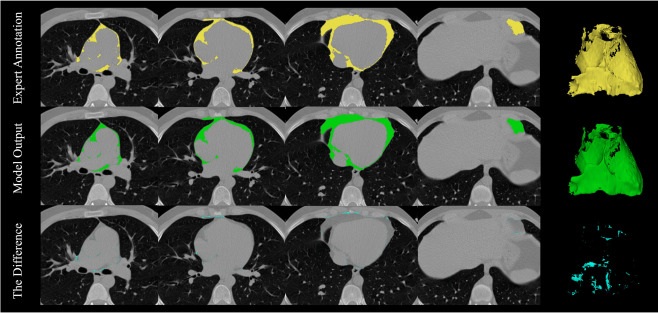
AI Analysis of Pericardial Fat Refines Long-Term Heart Disease Risk
Accurately identifying long-term cardiovascular disease risk in asymptomatic adults remains challenging for clinicians. Missed or underestimated risk delays preventive therapy and increases the chance... Read more
Machine Learning Approach Enhances Liver Cancer Risk Stratification
Hepatocellular carcinoma, the most common form of primary liver cancer, is often detected late despite targeted surveillance programs. Current screening guidelines emphasize patients with known cirrhosis,... Read more

Critical Care
view channel
Noninvasive Monitoring Device Enables Earlier Intervention in Heart Failure
Hospitalizations for heart failure with preserved ejection fraction (HFpEF) remain common because lung congestion often worsens before symptoms prompt treatment changes. Missed early decompensation... Read more
Automated IV Labeling Solution Improves Infusion Safety and Efficiency
Medication administration in high-acuity settings is often complicated by multiple concurrent infusions, making accurate line identification essential. In a 10-hospital intensive care unit study, 60% of... Read more

Surgical Techniques
view channel
Ultrasound Technology Aims to Replace Invasive BPH Procedures
Benign prostatic hyperplasia (BPH) is a frequent cause of lower urinary tract symptoms in aging men and often requires invasive procedures or prolonged recovery. With prevalence expected to rise as populations... Read more
Continuous Monitoring with Wearables Enhances Postoperative Patient Safety
Postoperative hypoxemia on general surgical wards is common and often missed by intermittent vital sign checks. Undetected low oxygen levels can delay recovery and raise the risk of complications that... Read more

Patient Care
view channel
Wearable Sleep Data Predict Adherence to Pulmonary Rehabilitation
Chronic obstructive pulmonary disease (COPD) is a long-term lung disorder that makes breathing difficult and often disturbs sleep, reducing energy for daily activities. Limited engagement in pulmonary... Read more
Revolutionary Automatic IV-Line Flushing Device to Enhance Infusion Care
More than 80% of in-hospital patients receive intravenous (IV) therapy. Every dose of IV medicine delivered in a small volume (<250 mL) infusion bag should be followed by subsequent flushing to ensure... Read more

Health IT
view channel
EMR-Based Tool Predicts Graft Failure After Kidney Transplant
Kidney transplantation offers patients with end-stage kidney disease longer survival and better quality of life than dialysis, yet graft failure remains a major challenge. Although a successful transplant... Read more
Printable Molecule-Selective Nanoparticles Enable Mass Production of Wearable Biosensors
The future of medicine is likely to focus on the personalization of healthcare—understanding exactly what an individual requires and delivering the appropriate combination of nutrients, metabolites, and... Read more


Business
view channel
GE HealthCare Leads Major European Initiative to Advance Cardio-Oncology Care
Cardiovascular complications are increasingly recognized among people undergoing or recovering from cancer treatment, driven by pre‑existing disease and the cardiotoxic effects of chemotherapy, radiotherapy,... Read more

