






Fujifilm’s AI Platform, REiLI Chosen by ASST Vimercate Hospital to Support Operators in Fight Against COVID-19
|
By HospiMedica International staff writers Posted on 03 Jul 2020 |


|

Image: Fujifilm’s AI Platform, REiLI Chosen by ASST Vimercate Hospital to Support Operators in Fight against COVID-19 (Photo courtesy of Fujifilm Medical Systems)
Amidst the COVID-19 emergency, ASST Vimercate Hospital (Vimercate MB, Italy) has chosen and implemented Fujifilm Medical Systems’ (Tokyo, Japan) Artificial Intelligence (AI) platform, REiLI.
REiLI’s processing of CT scans and chest X-rays provides important support for radiologists, offering them an extremely rapid, quantitative and objective assessment of the various zones of the lungs. The chest X-ray, in particular, is the best example of applying the new AI technology, in that it is a quick and simple examination which provides a large amount of useful information for evaluating the presence of the pulmonary parenchymal consolidation caused by the virus. The data obtained from AI does not replace either the molecular diagnoses performed using the nasopharyngeal swab (RT-PCR) or the precious analyses and diagnoses performed by radiologists. The data, however, does provide support in reporting on daily examinations conducted to monitor and study the development of the disease, and constitute a second opinion for the operators. REiLI, Fujifilm’s AI platform, is integrated with the Lunit Insight CXR module for the analysis and detection of the main types of pulmonary disease (nodules, atelectasis, fibrosis, calcifications, cardiomegaly, etc.). In fact, the Lunit Insight CXR3 module has been updated to provide support in specifically identifying the pulmonary parenchymal consolidation caused by the virus.
During the novel coronavirus emergency, operations and workflows in all Italian hospitals were disrupted, which significantly increased workloads. As a consolidated partner of ASST Vimercate, Fujifilm wanted to ensure that its cutting-edge tools were available to reduce the impact caused by the rapid spread of COVID-19 and to deliver a timely response to the spread of the pandemic. In November 2019, ASST Vimercate and Fujifilm signed an agreement to explore new approaches for the treatment of patients, with benefits both the clinical services and healthcare operators. REiLI was installed at ASST Vimercate in just two weeks, by installing a parallel PACS to avoid interrupting the daily workflow. On March 30, REiLI was already operational and had worked on more than 600 images during its first five days. During the emergency, more than 900 positive cases of COVID-19 were found, with an average of 80 chest X-rays per day, allowing for precise and punctual data collection.
“REiLI's support has allowed our radiologists to report examinations with greater speed and efficiency,” said Marcello Intotero, Head of Radiology Structure and Diagnostic Services Department, ASST Vimercate. “In numerical terms, their workloads have not particularly increased, as other causes for non-urgent examinations were limited to avoid an excess flow of patients. This new technology has given great support to the workflow; all images that AI identified as suspected COVID-19 were subjected to processing by the radiologist in a faster and more urgent manner than other images which, instead, the system analyzed as corresponding to a healthy lung.”
“During the health emergency, more than 80 chest X-rays of inpatients and first-aid patients have been analysed each day at the Vimercate Hospital,” said Giovanni Delgrossi, Head of IT Department, ASST Vimercate. “If no priority is set for the examinations to be reported, it may take hours to identify a particular X-ray which could require prompt, immediate action from doctors. In an emergency like the current one, we need to react and act even more quickly.”
“Alternative Intelligence is a new operating concept projected towards collaborative intelligence between machine and man,” said Nicola Bilibio, Clinical Specialist Medical Informatics (CSE) Fujifilm Europe GmbH. “This is a fundamental tool for optimizing the workflow and for screening patients from COVID-19. During the emergency, we promptly made our most advanced technologies available to make our concrete contribution to the crisis.”





REiLI’s processing of CT scans and chest X-rays provides important support for radiologists, offering them an extremely rapid, quantitative and objective assessment of the various zones of the lungs. The chest X-ray, in particular, is the best example of applying the new AI technology, in that it is a quick and simple examination which provides a large amount of useful information for evaluating the presence of the pulmonary parenchymal consolidation caused by the virus. The data obtained from AI does not replace either the molecular diagnoses performed using the nasopharyngeal swab (RT-PCR) or the precious analyses and diagnoses performed by radiologists. The data, however, does provide support in reporting on daily examinations conducted to monitor and study the development of the disease, and constitute a second opinion for the operators. REiLI, Fujifilm’s AI platform, is integrated with the Lunit Insight CXR module for the analysis and detection of the main types of pulmonary disease (nodules, atelectasis, fibrosis, calcifications, cardiomegaly, etc.). In fact, the Lunit Insight CXR3 module has been updated to provide support in specifically identifying the pulmonary parenchymal consolidation caused by the virus.
During the novel coronavirus emergency, operations and workflows in all Italian hospitals were disrupted, which significantly increased workloads. As a consolidated partner of ASST Vimercate, Fujifilm wanted to ensure that its cutting-edge tools were available to reduce the impact caused by the rapid spread of COVID-19 and to deliver a timely response to the spread of the pandemic. In November 2019, ASST Vimercate and Fujifilm signed an agreement to explore new approaches for the treatment of patients, with benefits both the clinical services and healthcare operators. REiLI was installed at ASST Vimercate in just two weeks, by installing a parallel PACS to avoid interrupting the daily workflow. On March 30, REiLI was already operational and had worked on more than 600 images during its first five days. During the emergency, more than 900 positive cases of COVID-19 were found, with an average of 80 chest X-rays per day, allowing for precise and punctual data collection.
“REiLI's support has allowed our radiologists to report examinations with greater speed and efficiency,” said Marcello Intotero, Head of Radiology Structure and Diagnostic Services Department, ASST Vimercate. “In numerical terms, their workloads have not particularly increased, as other causes for non-urgent examinations were limited to avoid an excess flow of patients. This new technology has given great support to the workflow; all images that AI identified as suspected COVID-19 were subjected to processing by the radiologist in a faster and more urgent manner than other images which, instead, the system analyzed as corresponding to a healthy lung.”
“During the health emergency, more than 80 chest X-rays of inpatients and first-aid patients have been analysed each day at the Vimercate Hospital,” said Giovanni Delgrossi, Head of IT Department, ASST Vimercate. “If no priority is set for the examinations to be reported, it may take hours to identify a particular X-ray which could require prompt, immediate action from doctors. In an emergency like the current one, we need to react and act even more quickly.”
“Alternative Intelligence is a new operating concept projected towards collaborative intelligence between machine and man,” said Nicola Bilibio, Clinical Specialist Medical Informatics (CSE) Fujifilm Europe GmbH. “This is a fundamental tool for optimizing the workflow and for screening patients from COVID-19. During the emergency, we promptly made our most advanced technologies available to make our concrete contribution to the crisis.”

New
Gold Member
Neonatal Heel Incision Device
Tenderfoot
New
Patient Monitoring System
AlarmSense
New
Fetal Monitor
BT-380
Channels
Artificial Intelligence
view channel
Machine Learning Approach Enhances Liver Cancer Risk Stratification
Hepatocellular carcinoma, the most common form of primary liver cancer, is often detected late despite targeted surveillance programs. Current screening guidelines emphasize patients with known cirrhosis,... Read more
New AI Approach Monitors Brain Health Using Passive Wearable Data
Brain health spans cognitive and emotional functions and can fluctuate even in adults without diagnosed disease. Detecting early changes remains difficult in routine care and burdens specialty services... Read more
Critical Care
view channel
Automated IV Labeling Solution Improves Infusion Safety and Efficiency
Medication administration in high-acuity settings is often complicated by multiple concurrent infusions, making accurate line identification essential. In a 10-hospital intensive care unit study, 60% of... Read more
First-Of-Its-Kind AI Tool Detects Pulmonary Hypertension from Standard ECGs
Pulmonary hypertension is a progressive, life‑threatening disease that is frequently missed early because symptoms such as dyspnea are nonspecific and diagnostic delays can exceed two years.... Read more
Surgical Techniques
view channel
Continuous Monitoring with Wearables Enhances Postoperative Patient Safety
Postoperative hypoxemia on general surgical wards is common and often missed by intermittent vital sign checks. Undetected low oxygen levels can delay recovery and raise the risk of complications that... Read more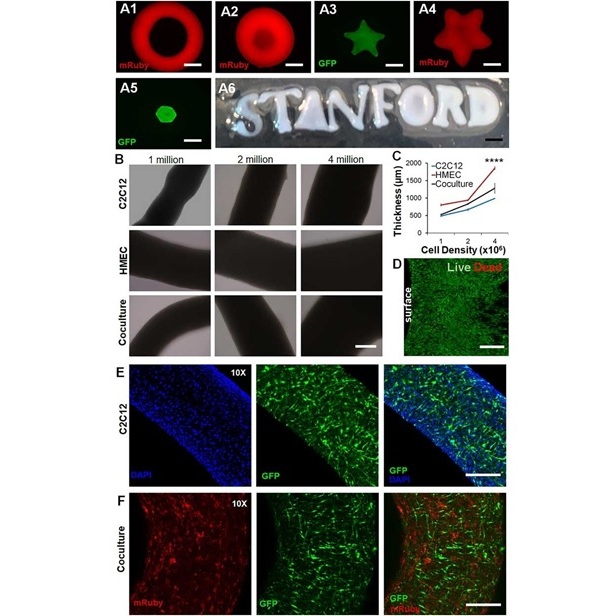
New Approach Enables Customized Muscle Tissue Without Biomaterial Scaffolds
Volumetric muscle loss is a traumatic loss of skeletal muscle that often leads to permanent functional impairment and limited reconstructive options. Current experimental strategies struggle to deliver... Read more
Patient Care
view channel
Wearable Sleep Data Predict Adherence to Pulmonary Rehabilitation
Chronic obstructive pulmonary disease (COPD) is a long-term lung disorder that makes breathing difficult and often disturbs sleep, reducing energy for daily activities. Limited engagement in pulmonary... Read more
Revolutionary Automatic IV-Line Flushing Device to Enhance Infusion Care
More than 80% of in-hospital patients receive intravenous (IV) therapy. Every dose of IV medicine delivered in a small volume (<250 mL) infusion bag should be followed by subsequent flushing to ensure... Read more

Health IT
view channel
EMR-Based Tool Predicts Graft Failure After Kidney Transplant
Kidney transplantation offers patients with end-stage kidney disease longer survival and better quality of life than dialysis, yet graft failure remains a major challenge. Although a successful transplant... Read more
Printable Molecule-Selective Nanoparticles Enable Mass Production of Wearable Biosensors
The future of medicine is likely to focus on the personalization of healthcare—understanding exactly what an individual requires and delivering the appropriate combination of nutrients, metabolites, and... Read more


Business
view channel
GE HealthCare Leads Major European Initiative to Advance Cardio-Oncology Care
Cardiovascular complications are increasingly recognized among people undergoing or recovering from cancer treatment, driven by pre‑existing disease and the cardiotoxic effects of chemotherapy, radiotherapy,... Read more

