






Nano-Fiber Face Mask Provide Maximum Protection to Children
|
By HospiMedica International staff writers Posted on 13 Jul 2020 |


|
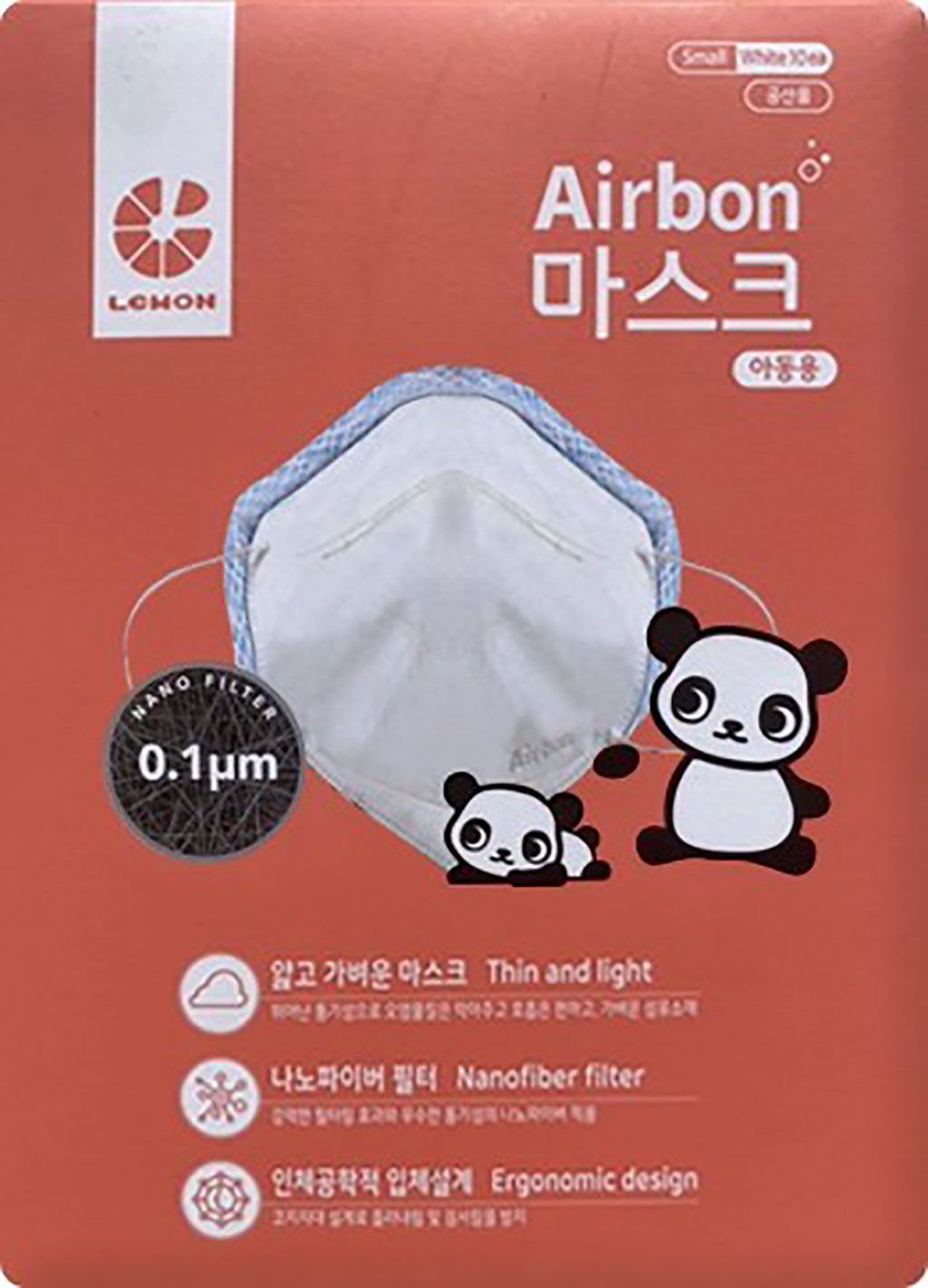
Image: Nano-filter face mask protect children from coronavirus (Photo courtesy of AirQueen)
Nano-filter technology designed for surgical respirators has been resized to fit the smaller faces of children, protecting them against COVID-19.
The AirQueen (Los Angeles) AirBon, which has been specially sized for pediatric use, is based on the same technology as that of the Air Queen, a highly advanced nano-fiber surgical respirator that provide in excess of 97% particle filtration, while simultaneously allowing for advanced breathability and comfort. Both Air Queen and AirBon are classified as respirator N95 equivalent, and are designed to protect users from the transfer of microorganism, body fluids, and particulate materials. Each mask is individually wrapped.
The nano-fiber, developed at the Korea Advanced Institute of Science and Technology (KAIST; Daejeon, Republic of Korea), is manufactured via an insulation block electrospinning process that manufactures orthogonal nanofibers with a diameter of 100~500 nm by controlling their alignment. The unidirectional nanofiber structure minimizes air pressure delivery toward the filter, maximizing filtration efficiency. The masks are also water resistant, with no deformation in the nano-membrane structure, even after 20 repeated hand washes.
“As quarantines are being lifted, children are beginning to interact on a more regular basis. Soon schools will reopen creating further sources of exposure to children,” declared AirQueen in a press statement. “Many children are using masks that are sized for adults, which reduces the protection they receive. Furthermore, many children are using cloth masks or 3-ply versions of the masks which are substantially inferior when compared to the protection provided by the AirBon.”
The N95 designation means that the respirator blocks at least 95% of very small particles, exceeding the capabilities of regular surgical face masks.
Related Links:
AirQueen
Korea Advanced Institute of Science and Technology




The AirQueen (Los Angeles) AirBon, which has been specially sized for pediatric use, is based on the same technology as that of the Air Queen, a highly advanced nano-fiber surgical respirator that provide in excess of 97% particle filtration, while simultaneously allowing for advanced breathability and comfort. Both Air Queen and AirBon are classified as respirator N95 equivalent, and are designed to protect users from the transfer of microorganism, body fluids, and particulate materials. Each mask is individually wrapped.
The nano-fiber, developed at the Korea Advanced Institute of Science and Technology (KAIST; Daejeon, Republic of Korea), is manufactured via an insulation block electrospinning process that manufactures orthogonal nanofibers with a diameter of 100~500 nm by controlling their alignment. The unidirectional nanofiber structure minimizes air pressure delivery toward the filter, maximizing filtration efficiency. The masks are also water resistant, with no deformation in the nano-membrane structure, even after 20 repeated hand washes.
“As quarantines are being lifted, children are beginning to interact on a more regular basis. Soon schools will reopen creating further sources of exposure to children,” declared AirQueen in a press statement. “Many children are using masks that are sized for adults, which reduces the protection they receive. Furthermore, many children are using cloth masks or 3-ply versions of the masks which are substantially inferior when compared to the protection provided by the AirBon.”
The N95 designation means that the respirator blocks at least 95% of very small particles, exceeding the capabilities of regular surgical face masks.
Related Links:
AirQueen
Korea Advanced Institute of Science and Technology

Gold Member
12-Channel ECG
CM1200B
New
Rapid Sepsis Test
SeptiCyte RAPID
New
Creatinine/eGFR Meter
StatSensor® Creatinine/eGFR Meter
Latest Critical Care News
- Noninvasive Monitoring Device Enables Earlier Intervention in Heart Failure
- Automated IV Labeling Solution Improves Infusion Safety and Efficiency
- First-Of-Its-Kind AI Tool Detects Pulmonary Hypertension from Standard ECGs
- 4D Digital Twin Heart Model Improves CRT Outcomes
- AI Turns Glucose Data Into Actionable Insights for Diabetes Care
- Microscale Wireless Implant Tracks Brain Activity Over Time
- Smart Mask Delivers Continuous, Battery-Free Breath Monitoring
- Routine Blood Pressure Readings May Identify Risk of Future Cognitive Decline
- CGM-Based Algorithm Enhances Insulin Dose Adjustment in Type 2 Diabetes
- Fish Scale–Based Implants Offer New Approach to Corneal Repair
- Dual-Function Wound Patch Combines Infection Sensing and Treatment
- Smartwatch Signals and Blood Tests Team Up for Early Warning on Insulin Resistance
- Smart Fabric Technology Aims to Prevent Pressure Injuries in Hospital Care
- Standardized Treatment Algorithm Improves Blood Pressure Control
- Combined Infection Control Strategy Limits Drug-Resistant Outbreak in NICU
- AI Helps Predict Which Heart-Failure Patients Will Worsen Within a Year
Channels
Artificial Intelligence
view channel
AI Analysis of Pericardial Fat Refines Long-Term Heart Disease Risk
Accurately identifying long-term cardiovascular disease risk in asymptomatic adults remains challenging for clinicians. Missed or underestimated risk delays preventive therapy and increases the chance... Read more
Machine Learning Approach Enhances Liver Cancer Risk Stratification
Hepatocellular carcinoma, the most common form of primary liver cancer, is often detected late despite targeted surveillance programs. Current screening guidelines emphasize patients with known cirrhosis,... Read more

Surgical Techniques
view channel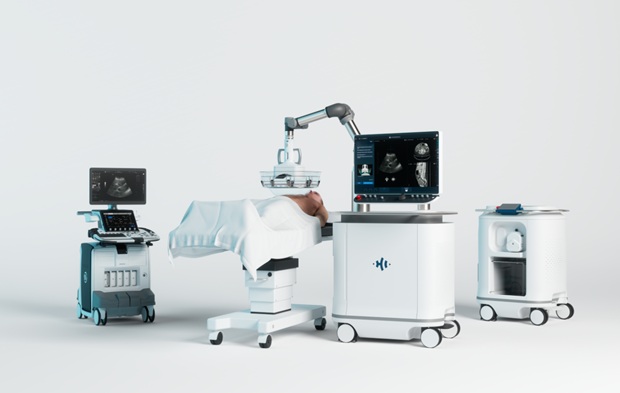
Ultrasound Technology Aims to Replace Invasive BPH Procedures
Benign prostatic hyperplasia (BPH) is a frequent cause of lower urinary tract symptoms in aging men and often requires invasive procedures or prolonged recovery. With prevalence expected to rise as populations... Read more
Continuous Monitoring with Wearables Enhances Postoperative Patient Safety
Postoperative hypoxemia on general surgical wards is common and often missed by intermittent vital sign checks. Undetected low oxygen levels can delay recovery and raise the risk of complications that... Read more
Patient Care
view channel
Wearable Sleep Data Predict Adherence to Pulmonary Rehabilitation
Chronic obstructive pulmonary disease (COPD) is a long-term lung disorder that makes breathing difficult and often disturbs sleep, reducing energy for daily activities. Limited engagement in pulmonary... Read more
Revolutionary Automatic IV-Line Flushing Device to Enhance Infusion Care
More than 80% of in-hospital patients receive intravenous (IV) therapy. Every dose of IV medicine delivered in a small volume (<250 mL) infusion bag should be followed by subsequent flushing to ensure... Read more

Health IT
view channel
EMR-Based Tool Predicts Graft Failure After Kidney Transplant
Kidney transplantation offers patients with end-stage kidney disease longer survival and better quality of life than dialysis, yet graft failure remains a major challenge. Although a successful transplant... Read more
Printable Molecule-Selective Nanoparticles Enable Mass Production of Wearable Biosensors
The future of medicine is likely to focus on the personalization of healthcare—understanding exactly what an individual requires and delivering the appropriate combination of nutrients, metabolites, and... Read more


Business
view channel
GE HealthCare Leads Major European Initiative to Advance Cardio-Oncology Care
Cardiovascular complications are increasingly recognized among people undergoing or recovering from cancer treatment, driven by pre‑existing disease and the cardiotoxic effects of chemotherapy, radiotherapy,... Read more

