Disposable Medical Biosensor Monitors Patients Remotely
|
By HospiMedica International staff writers Posted on 28 Jul 2020 |


|
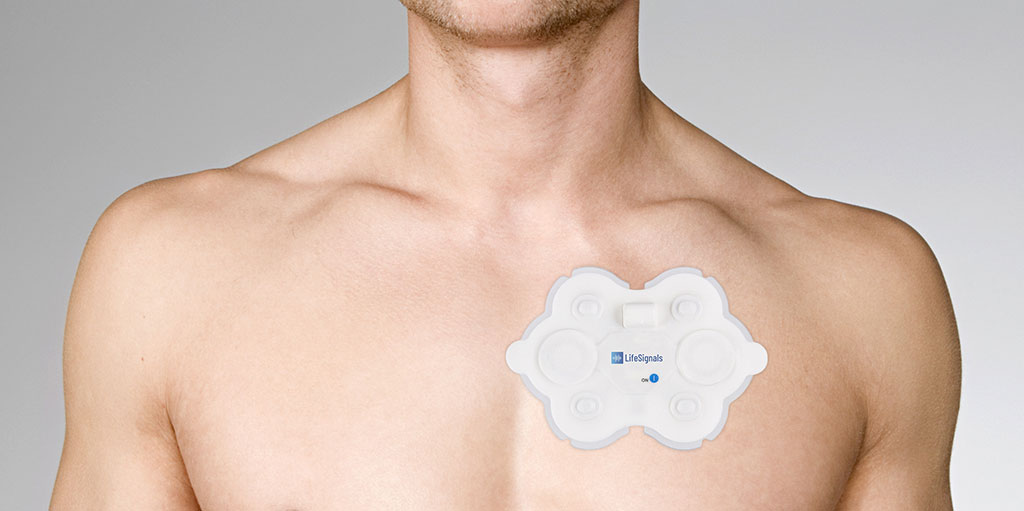
Image: The LifeSignals LP1250 Remote Monitoring Patch Platform (Photo courtesy of LifeSignals)
A single-use two channel electrocardiogram (ECG) and heart rate biosensor provides up to three days of patient monitoring with remote data access.
The LifeSignals (Fremont, CA, USA) LP1250 Remote Monitoring Patch Platform is a wireless system designed for the continuous collection and monitoring of cardiac data in ambulatory, hospital, home, and healthcare settings. The data is transmitted wirelessly from the LP1250 to a remote secure server for storage and analysis. The monitoring patch can be integrated into clinical workflows, including remote patient monitoring systems, mobile cardiac telemetry systems, and Holter and event monitoring systems.
Features include a proprietary single-chip (LC1100) processor platform that allows secure capture, storage, and transmission of patient data, even in multi-patient hospital environments that produce multiple interferences; up to 72-hour data capture of both two-channel ECG and heart rate data; and a lightweight and splash-proof profile that improve patient comfort and compliance. The LP1250 will be sold worldwide by LifeSignals as a white-labeled device through a network of partnerships from OEMs and telehealth software providers to specialist hospital facilities.
“Healthcare professionals can remotely access patient data via third-party software for the screening and monitoring of common cardiac arrhythmias such atrial fibrillation, enabling rapid treatment decisions, independent of patient location,” said Surendar Magar, co-founder and CEO of LifeSignals. “The interoperable biosensor gives partners access to a ready-to-integrate, multi-parameter medical wearable with a straightforward ecosystem for fast on-boarding.”
Related Links:
LifeSignals





The LifeSignals (Fremont, CA, USA) LP1250 Remote Monitoring Patch Platform is a wireless system designed for the continuous collection and monitoring of cardiac data in ambulatory, hospital, home, and healthcare settings. The data is transmitted wirelessly from the LP1250 to a remote secure server for storage and analysis. The monitoring patch can be integrated into clinical workflows, including remote patient monitoring systems, mobile cardiac telemetry systems, and Holter and event monitoring systems.
Features include a proprietary single-chip (LC1100) processor platform that allows secure capture, storage, and transmission of patient data, even in multi-patient hospital environments that produce multiple interferences; up to 72-hour data capture of both two-channel ECG and heart rate data; and a lightweight and splash-proof profile that improve patient comfort and compliance. The LP1250 will be sold worldwide by LifeSignals as a white-labeled device through a network of partnerships from OEMs and telehealth software providers to specialist hospital facilities.
“Healthcare professionals can remotely access patient data via third-party software for the screening and monitoring of common cardiac arrhythmias such atrial fibrillation, enabling rapid treatment decisions, independent of patient location,” said Surendar Magar, co-founder and CEO of LifeSignals. “The interoperable biosensor gives partners access to a ready-to-integrate, multi-parameter medical wearable with a straightforward ecosystem for fast on-boarding.”
Related Links:
LifeSignals

Gold Member
12-Channel ECG
CM1200B
Resorbable Bovine Collagen Membrane
GenDerm
Vessel Sealing Instrument
ERGOseal
Latest Critical Care News
- New ECG Foundation Model Enables Broad Cardiac Diagnosis and Risk Prediction
- Noninvasive AI Tool Maps Atrial Cardiomyopathy to Support Ablation Planning
- Nasal Spray Provides Rapid Pain Relief for Children in Emergency Care
- Bioelectronic Network Enables Devices to Communicate Through Body Tissue and Coordinate Therapy
- AI Platform Screens for Amyloid Cardiomyopathy Using ECG Images
- Noninvasive Contact Lens Sensor Detects Tear Serotonin for Stress Assessment
- Virtual Reality and Music Aid Early Blood Pressure Control in Hypertensive Urgency
- Drone AED Delivery Could Shorten Time to Out-of-Hospital Cardiac Arrest Defibrillation
- Wearable Patch Tracks Sleep Apnea and Chronic Respiratory Disease
- Early Stem Cell Transplantation May Improve Survival in Rare Inherited Bone Marrow Disorder
- New Drug Delivery System Extends Release of Local Anesthetic for Weeks
- Anatomical Guidance System Improves Trauma Ultrasound Acquisition by Novice Users
- AI-Enhanced Handheld Ultrasound Improves Carotid Plaque Detection
- Noninvasive Imaging Approach Aims to Detect Basal Cell Carcinoma Before It Becomes Visible
- New Sensor Could Bring Contactless Vital Sign Monitoring to Hospital Bedsides
- Proactive Monitoring and Response System Enhances Inpatient Diabetes Safety
Channels
Artificial Intelligence
view channel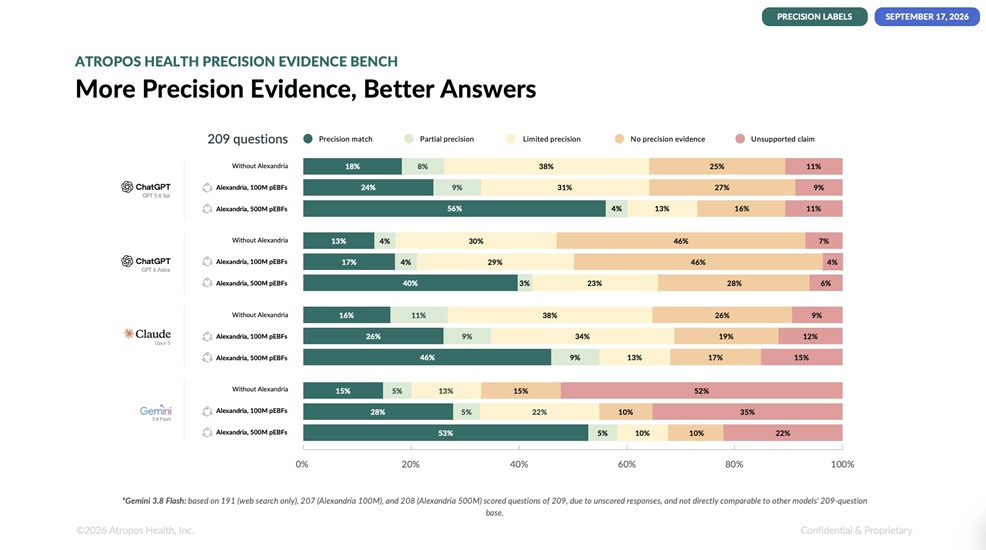
New Benchmark Highlights Evidence Gaps in AI Responses to Clinical Questions
Many clinical decisions still rely on limited evidence, while most artificial intelligence benchmarks overlook the patient context that shapes real-world care. General large language models can also struggle... Read more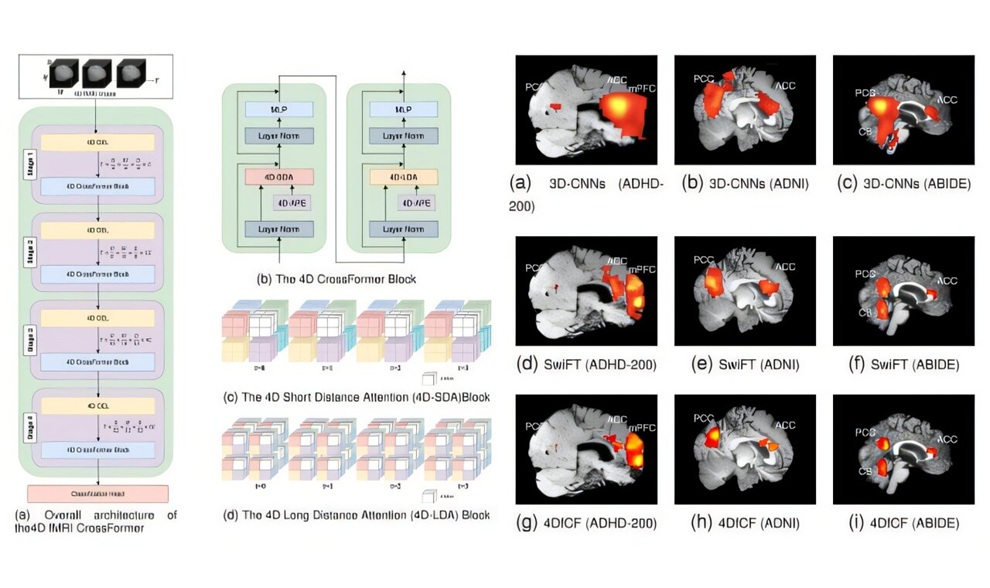
Explainable AI Tool Improves Brain Disorder Screening from 4D fMRI
Functional magnetic resonance imaging (fMRI) captures changes in brain activity over time, but the resulting image sequences can be difficult to analyze. Screening for brain disorders requires assessing... Read more
Surgical Techniques
view channel
Tile-Based Radiation Therapy Reduces Recurrence Risk After Brain Metastasis Surgery
Brain metastases can occur in patients with advanced solid tumors and may affect treatment options and prognosis. For patients with larger or symptomatic lesions requiring surgery, microscopic tumor cells... Read more
Ultra-Low-Dose Radiotherapy Relieves Myeloma Bone Pain in Trial
Multiple myeloma is a cancer of plasma cells in the bone marrow that commonly causes painful bone lesions. These lesions can lead to fractures, impaired function, and reduced quality of life.... Read more
Patient Care
view channel
At-Home Neuromodulation Shows Promise in Selected Patients With Hypertension
High blood pressure is a major risk factor for cardiovascular disease, including heart attack and stroke. Many patients receiving treatment for hypertension still remain above recommended blood pressure... Read more
EHR Model Flags High-Risk Periods in Patients with Metastatic Breast Cancer
Determining when patients with metastatic breast cancer are nearing the end of life remains difficult, often leading to intensive interventions with limited benefit. Prognostic uncertainty can delay goals-of-care... Read more

Medical Imaging
view channel
AI Model Uses Pretreatment CT Scans to Predict Immunotherapy-Related Pneumonitis Risk
Pneumonitis is a potentially life-threatening form of lung inflammation that affects about 10% of patients with lung cancer receiving immunotherapy. Because it can be difficult to predict before symptoms... Read more
MRI-Based Test Speeds Multiple Sclerosis Diagnosis and Reduces Lumbar Punctures
Multiple sclerosis (MS) is a neurological condition marked by multiple scars in the brain or spine. Diagnosis can be difficult because symptoms vary and the disease can progress at different rates.... Read more
Health IT
view channel
Adaptive Radiation QA Software Gains Validation for NeoArc Treatments
Adaptive radiation therapy allows clinicians to adjust treatment plans to daily anatomical changes such as tumor shrinkage, weight loss, or organ movement, improving precision while limiting exposure to... Read more
Healthcare Database Helps Close Long COVID Surveillance Gap
Long COVID is a chronic condition that occurs after SARS-CoV-2 infection and lasts at least three months. It can follow severe illness, but it can also affect anyone who has been infected.... Read more

Point of Care
view channel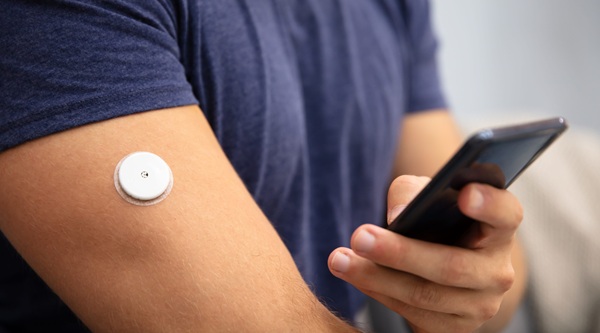
Continuous Glucose Monitoring Identifies Cardiometabolic Risk in Adults Without Diabetes
Dysglycemia—abnormal blood glucose regulation—can fluctuate throughout the day and often escape conventional screening. Clinicians typically rely on fasting plasma glucose and hemoglobin A1c, which offer... Read more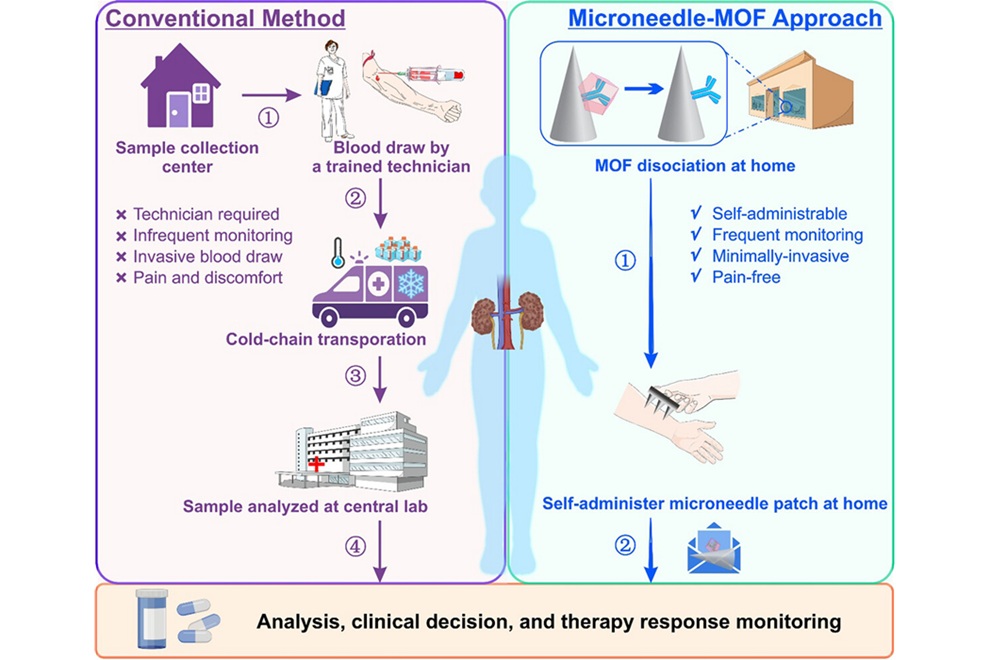
Microneedle Patch Enables At-Home Monitoring of Acute Kidney Injury
Kidney disease is often silent in its early stages, making timely detection difficult outside clinical settings. Early biomarkers such as neutrophil gelatinase–associated lipocalin can require blood draws... Read more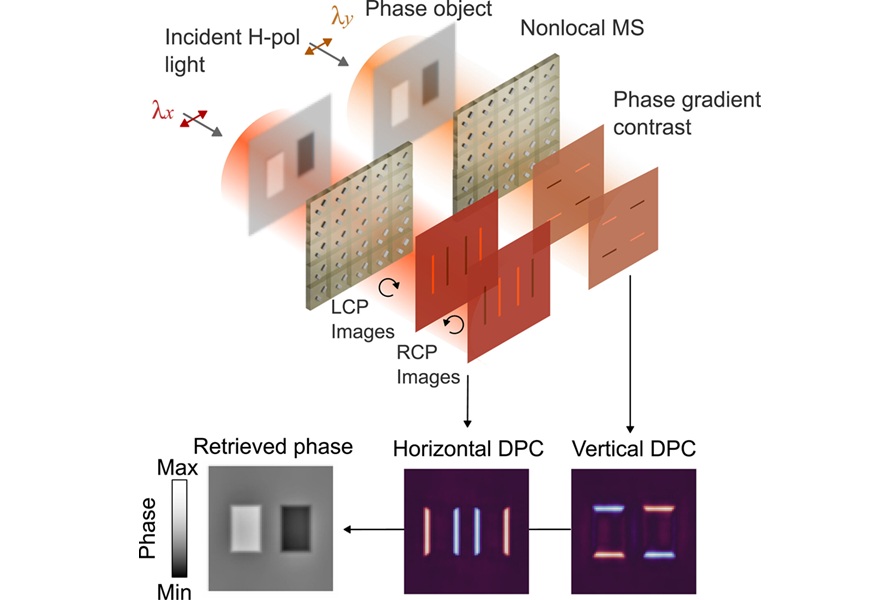
Business
view channel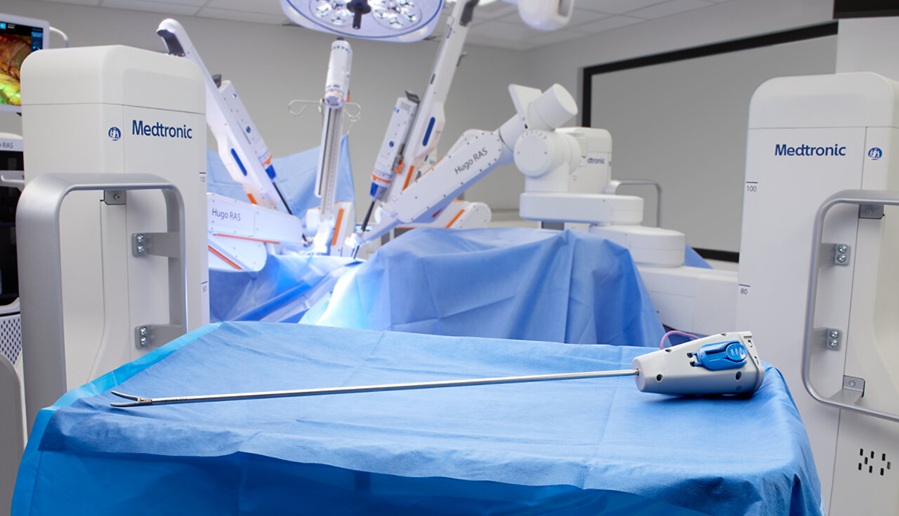
Medtronic Receives FDA Clearance for Vessel-Sealing Instrument for Robotic Surgery
As robotic-assisted surgery expands across U.S. hospitals, teams increasingly seek energy instruments with the familiarity and performance of tools used in open and laparoscopic procedures.... Read more
Robotic Single-Port System Gains CE Mark for Transvaginal Gynecologic Procedures
Intuitive (Sunnyvale, CA, USA) announced that it has received CE mark approval for use of the da Vinci SP Single Port surgical system in transvaginal gynecologic procedures, marking the first such indication... Read more