






New Technique Predicts Preterm Births in High Risk Women
|
By HospiMedica International staff writers Posted on 14 Aug 2020 |


|
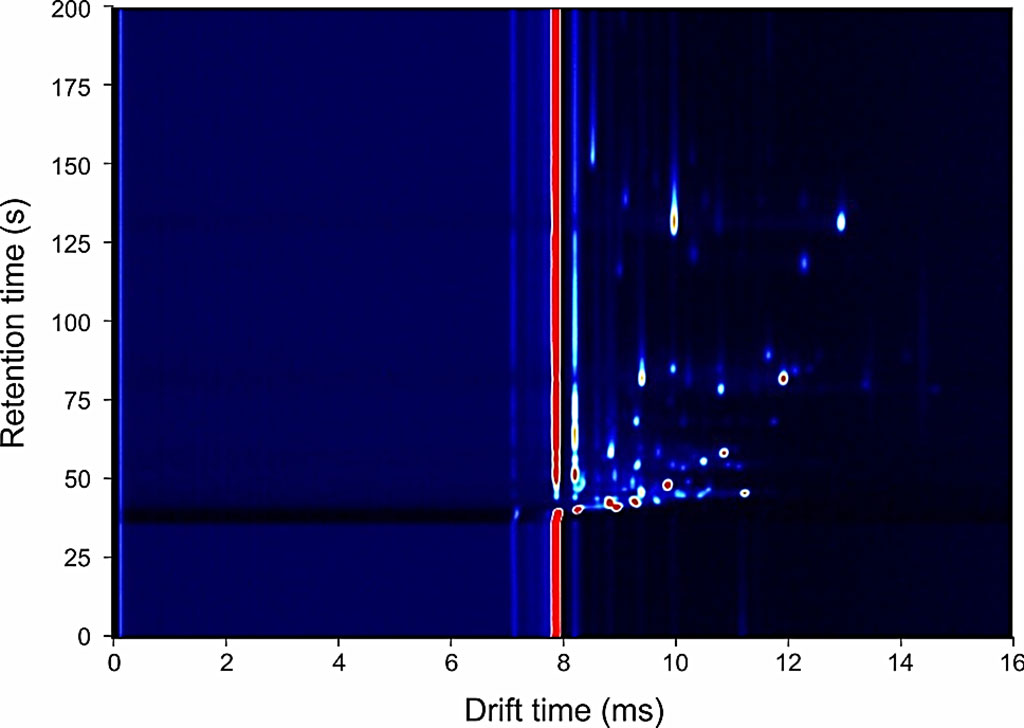
Typical GC-IMS output of a vaginal swab. Red spots indicate individual chemicals and machine learning identifies which of these chemicals hold discriminatory information (Photo courtesy of the University of Warwick).
Globally, preterm birth is the leading cause of death in children under 5 years with 15 million babies being born before 37 weeks’ gestation each year. Spontaneous preterm birth is a syndrome, which can be precipitated by a variety of factors.
The association between bacterial vaginosis (BV) detected using laboratory techniques and preterm labor has been recognized for many years. Its presence, detected in early pregnancy is associated with an increased risk of preterm labor. However, treatment of BV with antibiotics has not been demonstrated to prevent preterm birth.
Gynecologists and Bioengineers at the Warwick University (Coventry, UK) carried out a prospective observational cohort of repeated sampling of 216 patients between 10 to 29 weeks of pregnancy (total 493 sets of swabs were taken, with at least two swabs per patient), from women attending the high-risk preterm prevention clinic at a tertiary level teaching hospital from January 2017-August 2018. The team initially analyzed volatile organic compounds (VOCs) present in the vagina for a condition called bacterial vaginosis, in which the bacteria of the vagina have become imbalanced. Vaginal swabs were taken during the second and third trimesters of pregnancy and the outcome of all pregnancies followed up.
The technology they used works by separating the vapor molecules by combining two techniques that first pre-separates molecules based on their reaction with a stationary phase coating (a gas-chromatograph), followed by measuring their mobility in a high-electric field (an Ion Mobility Spectrometer). The odors/VOCs emanating from the samples were analyzed using a GC-IMS instrument (G.A.S., Dortmund, Germany), which is based on Gas Chromatograph – Ion Mobility Spectrometry principles (GC-IMS). Using machine learning techniques, the team 'trained' the technology to spot patterns of VOCs that were signs of bacterial vaginosis.
The team reported that VOC analysis of vaginal swabs, taken in the mid-trimester, is a fair test (AUC 0.79) for preterm prediction, with a sensitivity of 0.66 (95%CI 0.56–0.75) and specificity 0.89 (95%CI 0.82–0.94). Using vaginal swabs taken closest to delivery, VOC analysis is a good test (AUC 0.84) for the prediction of preterm birth with a sensitivity of 0.73 (95%CI 0.64–0.81) and specificity of 0.90 (95%CI 0.82–0.95).
Lauren Lacey, MD, an associate professor and lead author of the study, said, “We've demonstrated that the technology has good diagnostic accuracy, and in the future it could form part of a care pathway to determine who would deliver preterm. VOC technology is really interesting because it reflects both the microbiome and the host response, whereas other technologies look for a specific biomarker. It's the beginning of looking at the association of VOCs with preterm delivery. We want to develop this and look at whether these patterns could be implemented into a care pathway.”
The authors concluded that this novel work has demonstrated that VOC analysis has the potential to be used as a predictive tool to support the prediction of preterm birth and aid personalized prevention strategies. The study was published on July 22, 2020 in the journal Scientific Reports.
Related Links:
Warwick University
G.A.S Dortmund




The association between bacterial vaginosis (BV) detected using laboratory techniques and preterm labor has been recognized for many years. Its presence, detected in early pregnancy is associated with an increased risk of preterm labor. However, treatment of BV with antibiotics has not been demonstrated to prevent preterm birth.
Gynecologists and Bioengineers at the Warwick University (Coventry, UK) carried out a prospective observational cohort of repeated sampling of 216 patients between 10 to 29 weeks of pregnancy (total 493 sets of swabs were taken, with at least two swabs per patient), from women attending the high-risk preterm prevention clinic at a tertiary level teaching hospital from January 2017-August 2018. The team initially analyzed volatile organic compounds (VOCs) present in the vagina for a condition called bacterial vaginosis, in which the bacteria of the vagina have become imbalanced. Vaginal swabs were taken during the second and third trimesters of pregnancy and the outcome of all pregnancies followed up.
The technology they used works by separating the vapor molecules by combining two techniques that first pre-separates molecules based on their reaction with a stationary phase coating (a gas-chromatograph), followed by measuring their mobility in a high-electric field (an Ion Mobility Spectrometer). The odors/VOCs emanating from the samples were analyzed using a GC-IMS instrument (G.A.S., Dortmund, Germany), which is based on Gas Chromatograph – Ion Mobility Spectrometry principles (GC-IMS). Using machine learning techniques, the team 'trained' the technology to spot patterns of VOCs that were signs of bacterial vaginosis.
The team reported that VOC analysis of vaginal swabs, taken in the mid-trimester, is a fair test (AUC 0.79) for preterm prediction, with a sensitivity of 0.66 (95%CI 0.56–0.75) and specificity 0.89 (95%CI 0.82–0.94). Using vaginal swabs taken closest to delivery, VOC analysis is a good test (AUC 0.84) for the prediction of preterm birth with a sensitivity of 0.73 (95%CI 0.64–0.81) and specificity of 0.90 (95%CI 0.82–0.95).
Lauren Lacey, MD, an associate professor and lead author of the study, said, “We've demonstrated that the technology has good diagnostic accuracy, and in the future it could form part of a care pathway to determine who would deliver preterm. VOC technology is really interesting because it reflects both the microbiome and the host response, whereas other technologies look for a specific biomarker. It's the beginning of looking at the association of VOCs with preterm delivery. We want to develop this and look at whether these patterns could be implemented into a care pathway.”
The authors concluded that this novel work has demonstrated that VOC analysis has the potential to be used as a predictive tool to support the prediction of preterm birth and aid personalized prevention strategies. The study was published on July 22, 2020 in the journal Scientific Reports.
Related Links:
Warwick University
G.A.S Dortmund

Gold Member
12-Channel ECG
CM1200B
New
X-Ray Generator
Advantage Plus Generators
New
Monitor/Defibrillator
Zenix
Latest Clinical Chem. News
Channels
Artificial Intelligence
view channel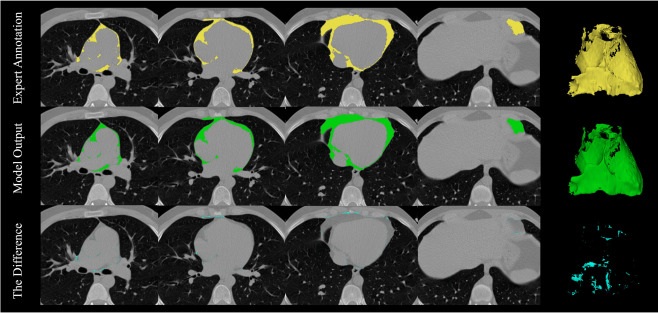
AI Analysis of Pericardial Fat Refines Long-Term Heart Disease Risk
Accurately identifying long-term cardiovascular disease risk in asymptomatic adults remains challenging for clinicians. Missed or underestimated risk delays preventive therapy and increases the chance... Read more
Machine Learning Approach Enhances Liver Cancer Risk Stratification
Hepatocellular carcinoma, the most common form of primary liver cancer, is often detected late despite targeted surveillance programs. Current screening guidelines emphasize patients with known cirrhosis,... Read more

Critical Care
view channel
Noninvasive Monitoring Device Enables Earlier Intervention in Heart Failure
Hospitalizations for heart failure with preserved ejection fraction (HFpEF) remain common because lung congestion often worsens before symptoms prompt treatment changes. Missed early decompensation... Read more
Automated IV Labeling Solution Improves Infusion Safety and Efficiency
Medication administration in high-acuity settings is often complicated by multiple concurrent infusions, making accurate line identification essential. In a 10-hospital intensive care unit study, 60% of... Read more

Surgical Techniques
view channel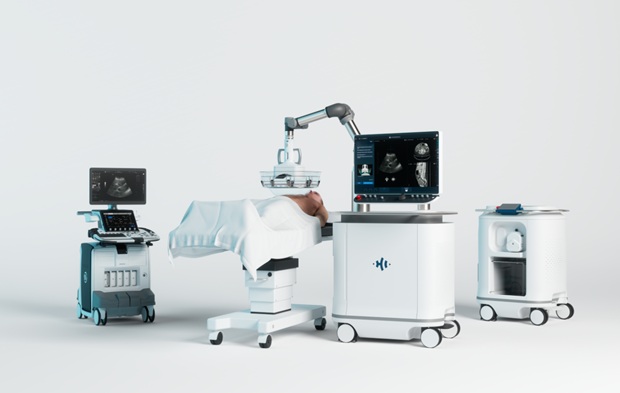
Ultrasound Technology Aims to Replace Invasive BPH Procedures
Benign prostatic hyperplasia (BPH) is a frequent cause of lower urinary tract symptoms in aging men and often requires invasive procedures or prolonged recovery. With prevalence expected to rise as populations... Read more
Continuous Monitoring with Wearables Enhances Postoperative Patient Safety
Postoperative hypoxemia on general surgical wards is common and often missed by intermittent vital sign checks. Undetected low oxygen levels can delay recovery and raise the risk of complications that... Read more
Patient Care
view channel
Wearable Sleep Data Predict Adherence to Pulmonary Rehabilitation
Chronic obstructive pulmonary disease (COPD) is a long-term lung disorder that makes breathing difficult and often disturbs sleep, reducing energy for daily activities. Limited engagement in pulmonary... Read more
Revolutionary Automatic IV-Line Flushing Device to Enhance Infusion Care
More than 80% of in-hospital patients receive intravenous (IV) therapy. Every dose of IV medicine delivered in a small volume (<250 mL) infusion bag should be followed by subsequent flushing to ensure... Read more

Health IT
view channel
EMR-Based Tool Predicts Graft Failure After Kidney Transplant
Kidney transplantation offers patients with end-stage kidney disease longer survival and better quality of life than dialysis, yet graft failure remains a major challenge. Although a successful transplant... Read more
Printable Molecule-Selective Nanoparticles Enable Mass Production of Wearable Biosensors
The future of medicine is likely to focus on the personalization of healthcare—understanding exactly what an individual requires and delivering the appropriate combination of nutrients, metabolites, and... Read more


Business
view channel
GE HealthCare Leads Major European Initiative to Advance Cardio-Oncology Care
Cardiovascular complications are increasingly recognized among people undergoing or recovering from cancer treatment, driven by pre‑existing disease and the cardiotoxic effects of chemotherapy, radiotherapy,... Read more

