






Peptide-Based Wound Dressing Kills Bacteria Efficiently
|
By HospiMedica International staff writers Posted on 19 Aug 2020 |


|

Image: Functionalized cellulose membranes can kill bacteria in wounds (Photo courtesy of Empa)
An advanced wound dressing that contains cellulose membranes with bifunctional peptides shows potent antimicrobial activity, according to a new study.
Developed at the Swiss Federal Laboratories for Materials Science and Technology (Empa; Dübendorf, Switzerland), the dressings, made from plant‐derived cellulose fibers with a diameter of less than one micrometer, are electrospun into a delicate multi-layered, three-dimensional (3D) fabric that also contains the polymer polyurethane. The cellulose membrane contains a bifunctional peptide which combines an antimicrobial peptide (AMP) and a cellulose binding peptide (CBP), with tight control over peptide concentrations.
The fiber scaffold of the fibroblast cytocompatible membranes are saturated with such bifunctional peptides, affecting bacteria via multiple modes of action, reducing evolutionary pressure selecting for antibiotic resistance. In cell cultures, the dressing exhibited a log4 reduction against Staphylococcus aureus, and a log1 reduction against Pseudomonas aeruginosa. In addition, using the cell adhesive CBP induced a 2.2‐fold increase in cell spreading, compared to pristine cellulose. The study was published in the July 2020 issue of Advanced Healthcare Materials.
“In bacterial cultures, over 99.99% of the germs were killed by the peptide-containing membranes. In future, the antimicrobial membranes will be equipped with additional functions,” said co-senior author Katharina Maniura-Weber, PhD, of the Empa Biointerfaces lab. “The peptides might, for instance, be functionalized with binding sites that enable the controlled release of further therapeutic substances.”
AMPs are potent, broad spectrum therapeutic agents that have been shown to kill both Gram positive and gram negative bacteria, enveloped viruses, fungi, and even some cancerous cells. Unlike antibiotic drugs, AMPs appears to destabilize biological membranes, can form transmembrane channels, and may have the ability to function as immunomodulators by altering host gene expression, inducing chemokine production, promoting wound healing, and modulating the responses of dendritic cells and cells of the adaptive immune response.
Related Links:
Swiss Federal Laboratories for Materials Science and Technology







Developed at the Swiss Federal Laboratories for Materials Science and Technology (Empa; Dübendorf, Switzerland), the dressings, made from plant‐derived cellulose fibers with a diameter of less than one micrometer, are electrospun into a delicate multi-layered, three-dimensional (3D) fabric that also contains the polymer polyurethane. The cellulose membrane contains a bifunctional peptide which combines an antimicrobial peptide (AMP) and a cellulose binding peptide (CBP), with tight control over peptide concentrations.
The fiber scaffold of the fibroblast cytocompatible membranes are saturated with such bifunctional peptides, affecting bacteria via multiple modes of action, reducing evolutionary pressure selecting for antibiotic resistance. In cell cultures, the dressing exhibited a log4 reduction against Staphylococcus aureus, and a log1 reduction against Pseudomonas aeruginosa. In addition, using the cell adhesive CBP induced a 2.2‐fold increase in cell spreading, compared to pristine cellulose. The study was published in the July 2020 issue of Advanced Healthcare Materials.
“In bacterial cultures, over 99.99% of the germs were killed by the peptide-containing membranes. In future, the antimicrobial membranes will be equipped with additional functions,” said co-senior author Katharina Maniura-Weber, PhD, of the Empa Biointerfaces lab. “The peptides might, for instance, be functionalized with binding sites that enable the controlled release of further therapeutic substances.”
AMPs are potent, broad spectrum therapeutic agents that have been shown to kill both Gram positive and gram negative bacteria, enveloped viruses, fungi, and even some cancerous cells. Unlike antibiotic drugs, AMPs appears to destabilize biological membranes, can form transmembrane channels, and may have the ability to function as immunomodulators by altering host gene expression, inducing chemokine production, promoting wound healing, and modulating the responses of dendritic cells and cells of the adaptive immune response.
Related Links:
Swiss Federal Laboratories for Materials Science and Technology

Gold Member
STI Test
Vivalytic Sexually Transmitted Infection (STI) Array
New
Resorbable Bovine Collagen Membrane
GenDerm
New
POC Respiratory/Sore Throat Test
BIOFIRE SPOTFIRE (R/ST) Panel
Latest Critical Care News
- Noninvasive Monitoring Device Enables Earlier Intervention in Heart Failure
- Automated IV Labeling Solution Improves Infusion Safety and Efficiency
- First-Of-Its-Kind AI Tool Detects Pulmonary Hypertension from Standard ECGs
- 4D Digital Twin Heart Model Improves CRT Outcomes
- AI Turns Glucose Data Into Actionable Insights for Diabetes Care
- Microscale Wireless Implant Tracks Brain Activity Over Time
- Smart Mask Delivers Continuous, Battery-Free Breath Monitoring
- Routine Blood Pressure Readings May Identify Risk of Future Cognitive Decline
- CGM-Based Algorithm Enhances Insulin Dose Adjustment in Type 2 Diabetes
- Fish Scale–Based Implants Offer New Approach to Corneal Repair
- Dual-Function Wound Patch Combines Infection Sensing and Treatment
- Smartwatch Signals and Blood Tests Team Up for Early Warning on Insulin Resistance
- Smart Fabric Technology Aims to Prevent Pressure Injuries in Hospital Care
- Standardized Treatment Algorithm Improves Blood Pressure Control
- Combined Infection Control Strategy Limits Drug-Resistant Outbreak in NICU
- AI Helps Predict Which Heart-Failure Patients Will Worsen Within a Year
Channels
Artificial Intelligence
view channel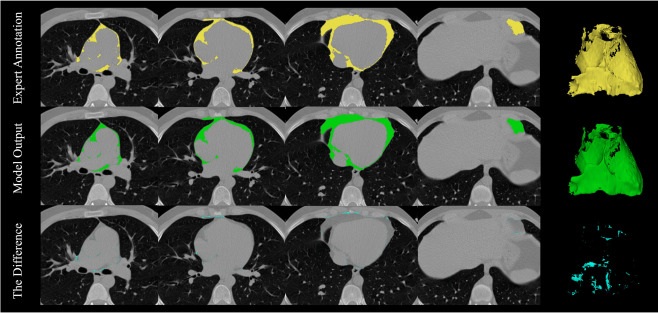
AI Analysis of Pericardial Fat Refines Long-Term Heart Disease Risk
Accurately identifying long-term cardiovascular disease risk in asymptomatic adults remains challenging for clinicians. Missed or underestimated risk delays preventive therapy and increases the chance... Read more
Machine Learning Approach Enhances Liver Cancer Risk Stratification
Hepatocellular carcinoma, the most common form of primary liver cancer, is often detected late despite targeted surveillance programs. Current screening guidelines emphasize patients with known cirrhosis,... Read more

Surgical Techniques
view channel
Ultrasound Technology Aims to Replace Invasive BPH Procedures
Benign prostatic hyperplasia (BPH) is a frequent cause of lower urinary tract symptoms in aging men and often requires invasive procedures or prolonged recovery. With prevalence expected to rise as populations... Read more
Continuous Monitoring with Wearables Enhances Postoperative Patient Safety
Postoperative hypoxemia on general surgical wards is common and often missed by intermittent vital sign checks. Undetected low oxygen levels can delay recovery and raise the risk of complications that... Read more

Patient Care
view channel
Wearable Sleep Data Predict Adherence to Pulmonary Rehabilitation
Chronic obstructive pulmonary disease (COPD) is a long-term lung disorder that makes breathing difficult and often disturbs sleep, reducing energy for daily activities. Limited engagement in pulmonary... Read more
Revolutionary Automatic IV-Line Flushing Device to Enhance Infusion Care
More than 80% of in-hospital patients receive intravenous (IV) therapy. Every dose of IV medicine delivered in a small volume (<250 mL) infusion bag should be followed by subsequent flushing to ensure... Read more

Health IT
view channel
EMR-Based Tool Predicts Graft Failure After Kidney Transplant
Kidney transplantation offers patients with end-stage kidney disease longer survival and better quality of life than dialysis, yet graft failure remains a major challenge. Although a successful transplant... Read more
Printable Molecule-Selective Nanoparticles Enable Mass Production of Wearable Biosensors
The future of medicine is likely to focus on the personalization of healthcare—understanding exactly what an individual requires and delivering the appropriate combination of nutrients, metabolites, and... Read more


Business
view channel
GE HealthCare Leads Major European Initiative to Advance Cardio-Oncology Care
Cardiovascular complications are increasingly recognized among people undergoing or recovering from cancer treatment, driven by pre‑existing disease and the cardiotoxic effects of chemotherapy, radiotherapy,... Read more

