






Thermographic Solution Reduce COVID-19 Infection
|
By HospiMedica International staff writers Posted on 26 Aug 2020 |


|
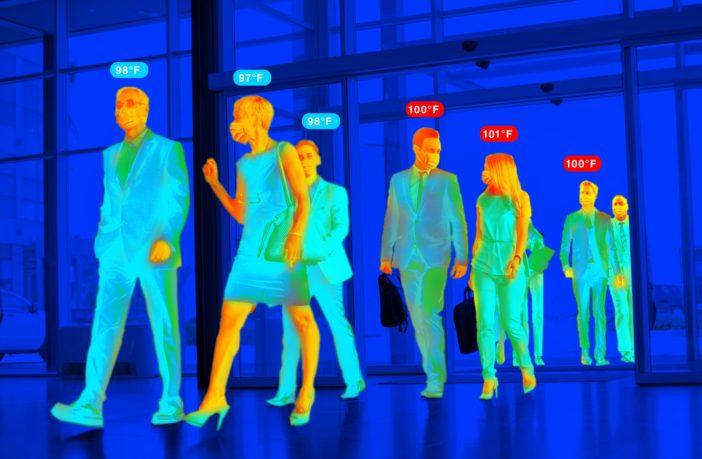
Image: Remote fever monitoring can inhibit COVID-19 spread (Photo courtesy of Advantech)
An advanced thermal screening system measures body temperature from a distance and uses artificial intelligence (AI) to pinpoint people in heavily populated environments with abnormal temperatures.
The Advantech (Taipei, Taiwan) Visitor Thermal Screening System includes a thermographic smart camera with bi-spectrum monitoring that provides both thermal and optical image channels, apart from remote temperature measurement. The thermographic camera features a thermal sensor resolution of 160 x 120, a temperature range of 30-45 °C, and temperature accuracy of ± 0.5 °C. Maximum optical resolution is 2,688 x 1,520 pixels, which can detect up to 30 faces at a time.
Video artificial intelligence (AI) facial recognition and thermal screening software perform a quick scan of employees, customers or visitors to high-traffic locations, such as shopping malls and office buildings, identifying abnormal temperatures (including in those wearing a mask), without the need for them to wait in line. As the AI detection algorithm is designed to zero in on human faces, it reduces false alarms made by other heat sources. Visual and audio alarms notify operators immediately when a person with an elevated body temperature passes by.
The thermal screening manager comes in three different versions. The basic thermal monitor for quick entrance checks provides up to four channels of live camera monitoring; a standard monitor to check and manage the event detected, with up to four channels of camera monitoring and recording, with the video files stored on a MicroSD card; and the Pro version, which uses video AI facial recognition, with up to four channels of camera monitoring, recording, and recognition.
“During these unprecedented times, where COVID-19 data and guidelines are constantly in flux, the Visitor Thermal Screening System is designed to guarantee companies are compliant and protected, while simultaneously reducing liability and ensuring the safety of employees and customers,” said Patrick Chen, product management supervisor at Advantech. “The system’s unique design and cutting-edge AI-based technology provides the ideal solution for businesses looking to safely return to business as usual, without the need for time-intensive individual temperature checks in high-frequency environments.”
Facial recognition systems use biometrics to map facial features. The geometry of the face is rapidly analyzed, with key factors including interpapillary distance and the distance from forehead to chin. In all, there are over 65 quantifiable features that can be used to identify a face, generating a unique facial signature.





The Advantech (Taipei, Taiwan) Visitor Thermal Screening System includes a thermographic smart camera with bi-spectrum monitoring that provides both thermal and optical image channels, apart from remote temperature measurement. The thermographic camera features a thermal sensor resolution of 160 x 120, a temperature range of 30-45 °C, and temperature accuracy of ± 0.5 °C. Maximum optical resolution is 2,688 x 1,520 pixels, which can detect up to 30 faces at a time.
Video artificial intelligence (AI) facial recognition and thermal screening software perform a quick scan of employees, customers or visitors to high-traffic locations, such as shopping malls and office buildings, identifying abnormal temperatures (including in those wearing a mask), without the need for them to wait in line. As the AI detection algorithm is designed to zero in on human faces, it reduces false alarms made by other heat sources. Visual and audio alarms notify operators immediately when a person with an elevated body temperature passes by.
The thermal screening manager comes in three different versions. The basic thermal monitor for quick entrance checks provides up to four channels of live camera monitoring; a standard monitor to check and manage the event detected, with up to four channels of camera monitoring and recording, with the video files stored on a MicroSD card; and the Pro version, which uses video AI facial recognition, with up to four channels of camera monitoring, recording, and recognition.
“During these unprecedented times, where COVID-19 data and guidelines are constantly in flux, the Visitor Thermal Screening System is designed to guarantee companies are compliant and protected, while simultaneously reducing liability and ensuring the safety of employees and customers,” said Patrick Chen, product management supervisor at Advantech. “The system’s unique design and cutting-edge AI-based technology provides the ideal solution for businesses looking to safely return to business as usual, without the need for time-intensive individual temperature checks in high-frequency environments.”
Facial recognition systems use biometrics to map facial features. The geometry of the face is rapidly analyzed, with key factors including interpapillary distance and the distance from forehead to chin. In all, there are over 65 quantifiable features that can be used to identify a face, generating a unique facial signature.

New
Gold Member
Neonatal Heel Incision Device
Tenderfoot
New
Resorbable Bovine Collagen Membrane
GenDerm
New
Desk Aneroid Sphyg
Diagnostix 750D+
Latest AI News
- AI Analysis of Pericardial Fat Refines Long-Term Heart Disease Risk
- Machine Learning Approach Enhances Liver Cancer Risk Stratification
- New AI Approach Monitors Brain Health Using Passive Wearable Data
- AI Tool Maps Early Risk Patterns in Bloodstream Infections
- AI Model Identifies Rare Endocrine Disorder from Hand Images
- AI Tool Promises to Reduce Length of Hospital Stays and Free Up Beds
- Machine Learning Model Cuts Canceled Liver Transplants By 60%
Channels
Artificial Intelligence
view channel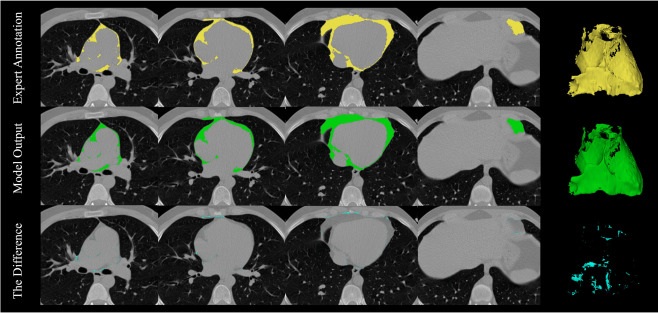
AI Analysis of Pericardial Fat Refines Long-Term Heart Disease Risk
Accurately identifying long-term cardiovascular disease risk in asymptomatic adults remains challenging for clinicians. Missed or underestimated risk delays preventive therapy and increases the chance... Read more
Machine Learning Approach Enhances Liver Cancer Risk Stratification
Hepatocellular carcinoma, the most common form of primary liver cancer, is often detected late despite targeted surveillance programs. Current screening guidelines emphasize patients with known cirrhosis,... Read more

Critical Care
view channel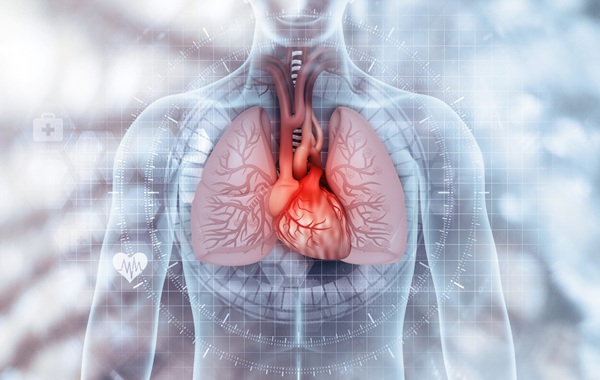
Noninvasive Monitoring Device Enables Earlier Intervention in Heart Failure
Hospitalizations for heart failure with preserved ejection fraction (HFpEF) remain common because lung congestion often worsens before symptoms prompt treatment changes. Missed early decompensation... Read more
Automated IV Labeling Solution Improves Infusion Safety and Efficiency
Medication administration in high-acuity settings is often complicated by multiple concurrent infusions, making accurate line identification essential. In a 10-hospital intensive care unit study, 60% of... Read more

Surgical Techniques
view channel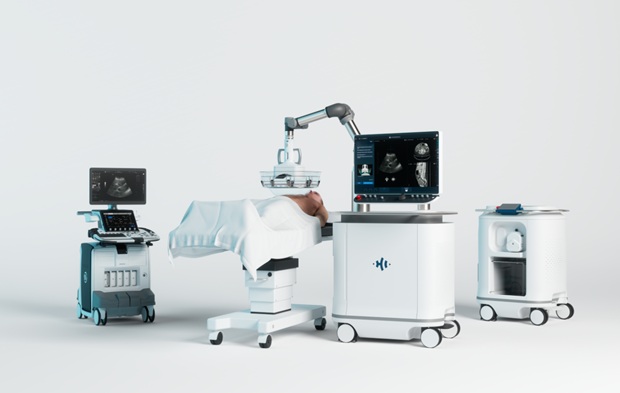
Ultrasound Technology Aims to Replace Invasive BPH Procedures
Benign prostatic hyperplasia (BPH) is a frequent cause of lower urinary tract symptoms in aging men and often requires invasive procedures or prolonged recovery. With prevalence expected to rise as populations... Read more
Continuous Monitoring with Wearables Enhances Postoperative Patient Safety
Postoperative hypoxemia on general surgical wards is common and often missed by intermittent vital sign checks. Undetected low oxygen levels can delay recovery and raise the risk of complications that... Read more
Health IT
view channel
EMR-Based Tool Predicts Graft Failure After Kidney Transplant
Kidney transplantation offers patients with end-stage kidney disease longer survival and better quality of life than dialysis, yet graft failure remains a major challenge. Although a successful transplant... Read more
Printable Molecule-Selective Nanoparticles Enable Mass Production of Wearable Biosensors
The future of medicine is likely to focus on the personalization of healthcare—understanding exactly what an individual requires and delivering the appropriate combination of nutrients, metabolites, and... Read more


Business
view channel
GE HealthCare Leads Major European Initiative to Advance Cardio-Oncology Care
Cardiovascular complications are increasingly recognized among people undergoing or recovering from cancer treatment, driven by pre‑existing disease and the cardiotoxic effects of chemotherapy, radiotherapy,... Read more

