






Microbiologics Launches IVD Process Controls and Inactivated Whole Virus Controls for SARS-CoV-2 Testing
|
By HospiMedica International staff writers Posted on 11 Sep 2020 |


|

Illustration
Microbiologics, Inc. (Saint Cloud, MN, USA) has further expanded its comprehensive portfolio of SARS-CoV-2 molecular QC standards by launching IVD Process Controls and Inactivated Whole Virus Controls to meet the complex research and diagnostic challenges of the COVID-19 pandemic.
The Process Controls and Inactivated Whole Virus controls are available in ready-to-use swab and pellet formats that mimic patient samples to challenge every step of molecular testing, including sample collection and handling. Featuring a matrix of human epithelial lung cells, each control performs like a true sample within the nucleic assay procedure. By mimicking the patient sample format and performance, these controls challenge not only assays, but also processes and techniques.
The IVD controls each provide a complete validation for extraction, amplification, and detection within a molecular assay. The Inactivated Whole Virus Controls contain the entire SARS-CoV-2 genome in a non-infectious state confirmed by a validated assay. The Process Controls provide diagnostically relevant gene sequences (Orf1ab/RdRP/S/E/ORF8/M/N gene regions) to match multiple diagnostic protocols. The synthetic RNA within the Process Controls is encapsulated in a phage protein envelope to validate the extraction process. Lyophilized for stability and convenience, these controls can be shipped without dry ice.
“In the era of Emergency Use Authorization, quality control becomes more important than ever, putting everything to a critical test, in some cases even assay design, helping to remove flawed tests from the market,” said Aaron Fisk, VP of Microbiologics Virology Center. “Yet the diversity in gene targets and different collection processes have also made quality control more challenging than ever. These new controls provide broad, yet simplified QC solutions for SARS-CoV-2 testing.”
“The global response to COVID-19 depends on the accuracy and speed of testing,” Fisk stressed. “As the diagnostic landscape continues to change, these new SARS-CoV-2 controls provide some much-needed simplicity and confidence in the assays we depend upon test after test, day after day.”
Related Links:
Microbiologics, Inc.




The Process Controls and Inactivated Whole Virus controls are available in ready-to-use swab and pellet formats that mimic patient samples to challenge every step of molecular testing, including sample collection and handling. Featuring a matrix of human epithelial lung cells, each control performs like a true sample within the nucleic assay procedure. By mimicking the patient sample format and performance, these controls challenge not only assays, but also processes and techniques.
The IVD controls each provide a complete validation for extraction, amplification, and detection within a molecular assay. The Inactivated Whole Virus Controls contain the entire SARS-CoV-2 genome in a non-infectious state confirmed by a validated assay. The Process Controls provide diagnostically relevant gene sequences (Orf1ab/RdRP/S/E/ORF8/M/N gene regions) to match multiple diagnostic protocols. The synthetic RNA within the Process Controls is encapsulated in a phage protein envelope to validate the extraction process. Lyophilized for stability and convenience, these controls can be shipped without dry ice.
“In the era of Emergency Use Authorization, quality control becomes more important than ever, putting everything to a critical test, in some cases even assay design, helping to remove flawed tests from the market,” said Aaron Fisk, VP of Microbiologics Virology Center. “Yet the diversity in gene targets and different collection processes have also made quality control more challenging than ever. These new controls provide broad, yet simplified QC solutions for SARS-CoV-2 testing.”
“The global response to COVID-19 depends on the accuracy and speed of testing,” Fisk stressed. “As the diagnostic landscape continues to change, these new SARS-CoV-2 controls provide some much-needed simplicity and confidence in the assays we depend upon test after test, day after day.”
Related Links:
Microbiologics, Inc.

Gold Member
Multifunctional Ventilator
V3
New
Medical-Grade Display
HL2316SHTB
New
Hypodermic Syringe
SurTract™ Safety Syringe
Latest COVID-19 News
Channels
Artificial Intelligence
view channel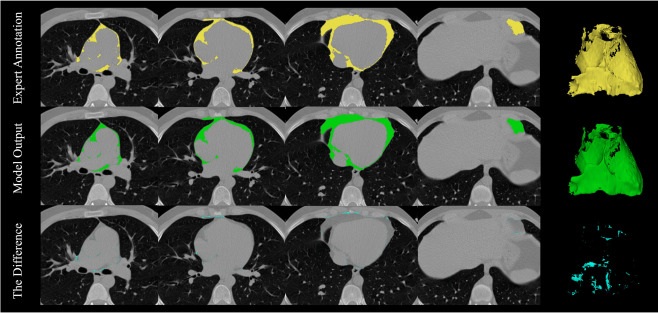
AI Analysis of Pericardial Fat Refines Long-Term Heart Disease Risk
Accurately identifying long-term cardiovascular disease risk in asymptomatic adults remains challenging for clinicians. Missed or underestimated risk delays preventive therapy and increases the chance... Read more
Machine Learning Approach Enhances Liver Cancer Risk Stratification
Hepatocellular carcinoma, the most common form of primary liver cancer, is often detected late despite targeted surveillance programs. Current screening guidelines emphasize patients with known cirrhosis,... Read more

Critical Care
view channel
Noninvasive Monitoring Device Enables Earlier Intervention in Heart Failure
Hospitalizations for heart failure with preserved ejection fraction (HFpEF) remain common because lung congestion often worsens before symptoms prompt treatment changes. Missed early decompensation... Read more
Automated IV Labeling Solution Improves Infusion Safety and Efficiency
Medication administration in high-acuity settings is often complicated by multiple concurrent infusions, making accurate line identification essential. In a 10-hospital intensive care unit study, 60% of... Read more

Surgical Techniques
view channel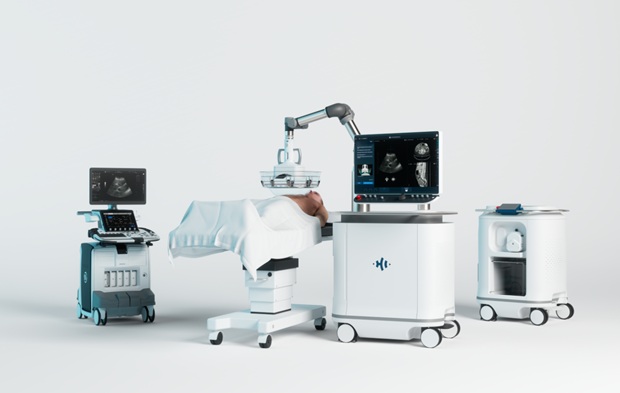
Ultrasound Technology Aims to Replace Invasive BPH Procedures
Benign prostatic hyperplasia (BPH) is a frequent cause of lower urinary tract symptoms in aging men and often requires invasive procedures or prolonged recovery. With prevalence expected to rise as populations... Read more
Continuous Monitoring with Wearables Enhances Postoperative Patient Safety
Postoperative hypoxemia on general surgical wards is common and often missed by intermittent vital sign checks. Undetected low oxygen levels can delay recovery and raise the risk of complications that... Read more
Patient Care
view channel
Wearable Sleep Data Predict Adherence to Pulmonary Rehabilitation
Chronic obstructive pulmonary disease (COPD) is a long-term lung disorder that makes breathing difficult and often disturbs sleep, reducing energy for daily activities. Limited engagement in pulmonary... Read more
Revolutionary Automatic IV-Line Flushing Device to Enhance Infusion Care
More than 80% of in-hospital patients receive intravenous (IV) therapy. Every dose of IV medicine delivered in a small volume (<250 mL) infusion bag should be followed by subsequent flushing to ensure... Read more

Health IT
view channel
EMR-Based Tool Predicts Graft Failure After Kidney Transplant
Kidney transplantation offers patients with end-stage kidney disease longer survival and better quality of life than dialysis, yet graft failure remains a major challenge. Although a successful transplant... Read more
Printable Molecule-Selective Nanoparticles Enable Mass Production of Wearable Biosensors
The future of medicine is likely to focus on the personalization of healthcare—understanding exactly what an individual requires and delivering the appropriate combination of nutrients, metabolites, and... Read more

Business
view channel
GE HealthCare Leads Major European Initiative to Advance Cardio-Oncology Care
Cardiovascular complications are increasingly recognized among people undergoing or recovering from cancer treatment, driven by pre‑existing disease and the cardiotoxic effects of chemotherapy, radiotherapy,... Read more

