






AI Tool Improves Diagnosis of Joint Cartilage Defects
|
By HospiMedica International staff writers Posted on 03 Aug 2021 |


|
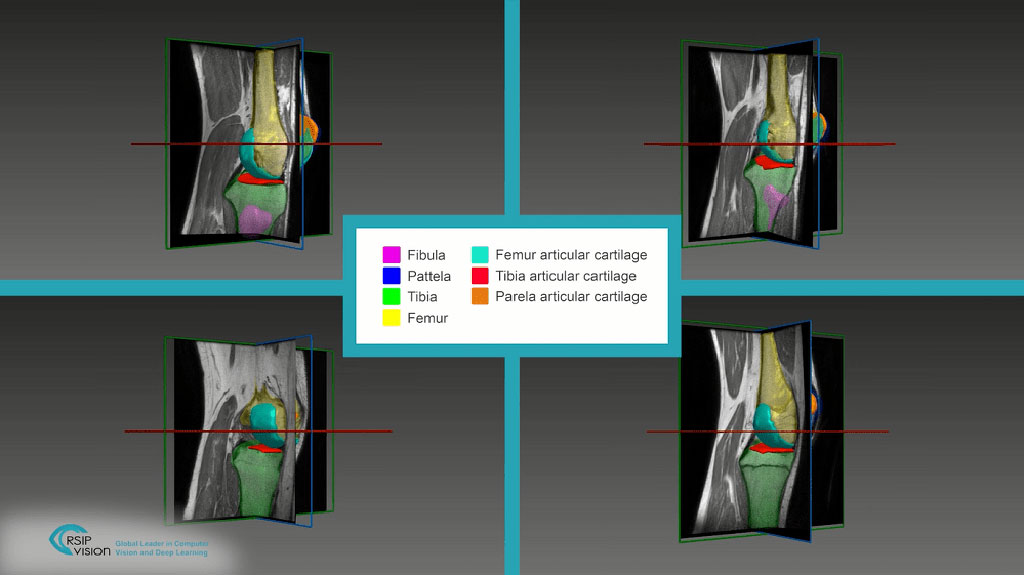
A novel AI tool aids articular cartilage segmentation (Photo courtesy of RSIP Vision)
New artificial intelligence (AI) software provides fully automated precise segmentation and robust assessment of chondral lesions, including location, diameter, shape, and boundaries.
The RSIP Vision (Jerusalem, Israel) articular cartilage segmentation tool is an AI algorithm designed to deliver accurate, non-invasive and automatic assessment of chondral lesions in magnetic resonance imaging (MRI) scans of the hips, knees, and ankles. The algorithm provides an accurate measurement of the location, geometry, and boundaries of osteochondral lesions, enabling physicians to evaluate the extent of the damage, select the appropriate treatment approach, and assess its efficacy.
The segmentation is carried out by classifying image pixels (or voxels, in 3D cases) using random forest classifiers, which delineate the boundaries between points in feature space belonging to different classes. The random forest is composed of an ensemble of decision trees, trained to assign membership value to either the lesion or the background group. To construct each tree, a different bootstrap subset of the training data is chosen at random. Since trees are uncorrelated, the overall decision in random forest is consistent by using a majority vote of trees with different structure.
“Our new segmentation tool makes it easier to pinpoint specific points and boundaries in images, which in turn leads to greater accuracy during surgeries without being dependent on the capability and experience of a specific individual,” said Ron Soferman, founder & CEO of RSIP Vision. “RSIP Vision will continue to drive innovation in image analysis across the medical verticals through custom software, advanced algorithm development and custom technologies.”
“Analyzing the parameters of the lesion and its boundaries allows the surgeon, along with the patient, to choose the ideal cartilage repair technique,” said orthopedic surgeon Shai Factor, MD, of Tel Aviv Sourasky Medical Center (Israel). “Additionally, in cases where cartilage transfer is the chosen option, this technology will make it possible to map the donor cartilage area as well and plan the surgery in the best way that will lead to better outcomes.”
Chondral lesions are prevalent among young and active patients, and due to the avascular nature of articular cartilage, healing potential is limited. In many cases, chondral lesions limit the athlete’s ability to participate in sports and even affect their daily activities. Cartilage segmentation is a crucial tool that aids the physician in choosing optimal treatment for the patient, including mosaicplasty, micro-fracture, osteochondral autograft transfer system (OATS), or autologous chondrocyte implantation.
Related Links:
RSIP Vision




The RSIP Vision (Jerusalem, Israel) articular cartilage segmentation tool is an AI algorithm designed to deliver accurate, non-invasive and automatic assessment of chondral lesions in magnetic resonance imaging (MRI) scans of the hips, knees, and ankles. The algorithm provides an accurate measurement of the location, geometry, and boundaries of osteochondral lesions, enabling physicians to evaluate the extent of the damage, select the appropriate treatment approach, and assess its efficacy.
The segmentation is carried out by classifying image pixels (or voxels, in 3D cases) using random forest classifiers, which delineate the boundaries between points in feature space belonging to different classes. The random forest is composed of an ensemble of decision trees, trained to assign membership value to either the lesion or the background group. To construct each tree, a different bootstrap subset of the training data is chosen at random. Since trees are uncorrelated, the overall decision in random forest is consistent by using a majority vote of trees with different structure.
“Our new segmentation tool makes it easier to pinpoint specific points and boundaries in images, which in turn leads to greater accuracy during surgeries without being dependent on the capability and experience of a specific individual,” said Ron Soferman, founder & CEO of RSIP Vision. “RSIP Vision will continue to drive innovation in image analysis across the medical verticals through custom software, advanced algorithm development and custom technologies.”
“Analyzing the parameters of the lesion and its boundaries allows the surgeon, along with the patient, to choose the ideal cartilage repair technique,” said orthopedic surgeon Shai Factor, MD, of Tel Aviv Sourasky Medical Center (Israel). “Additionally, in cases where cartilage transfer is the chosen option, this technology will make it possible to map the donor cartilage area as well and plan the surgery in the best way that will lead to better outcomes.”
Chondral lesions are prevalent among young and active patients, and due to the avascular nature of articular cartilage, healing potential is limited. In many cases, chondral lesions limit the athlete’s ability to participate in sports and even affect their daily activities. Cartilage segmentation is a crucial tool that aids the physician in choosing optimal treatment for the patient, including mosaicplasty, micro-fracture, osteochondral autograft transfer system (OATS), or autologous chondrocyte implantation.
Related Links:
RSIP Vision

New
Gold Member
Handheld Blood Glucose Analyzer
STAT-Site
New
Digital Radiography System (Ceiling Free)
Digix CF Series
New
Fetal Monitor
BT-380
Latest MRI News
Channels
Artificial Intelligence
view channel
Machine Learning Approach Enhances Liver Cancer Risk Stratification
Hepatocellular carcinoma, the most common form of primary liver cancer, is often detected late despite targeted surveillance programs. Current screening guidelines emphasize patients with known cirrhosis,... Read more
New AI Approach Monitors Brain Health Using Passive Wearable Data
Brain health spans cognitive and emotional functions and can fluctuate even in adults without diagnosed disease. Detecting early changes remains difficult in routine care and burdens specialty services... Read more

Critical Care
view channel
Automated IV Labeling Solution Improves Infusion Safety and Efficiency
Medication administration in high-acuity settings is often complicated by multiple concurrent infusions, making accurate line identification essential. In a 10-hospital intensive care unit study, 60% of... Read more
First-Of-Its-Kind AI Tool Detects Pulmonary Hypertension from Standard ECGs
Pulmonary hypertension is a progressive, life‑threatening disease that is frequently missed early because symptoms such as dyspnea are nonspecific and diagnostic delays can exceed two years.... Read more

Surgical Techniques
view channel
Continuous Monitoring with Wearables Enhances Postoperative Patient Safety
Postoperative hypoxemia on general surgical wards is common and often missed by intermittent vital sign checks. Undetected low oxygen levels can delay recovery and raise the risk of complications that... Read more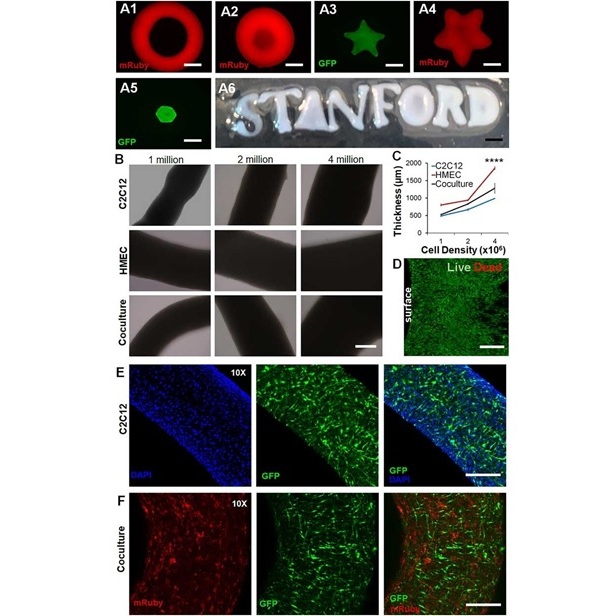
New Approach Enables Customized Muscle Tissue Without Biomaterial Scaffolds
Volumetric muscle loss is a traumatic loss of skeletal muscle that often leads to permanent functional impairment and limited reconstructive options. Current experimental strategies struggle to deliver... Read more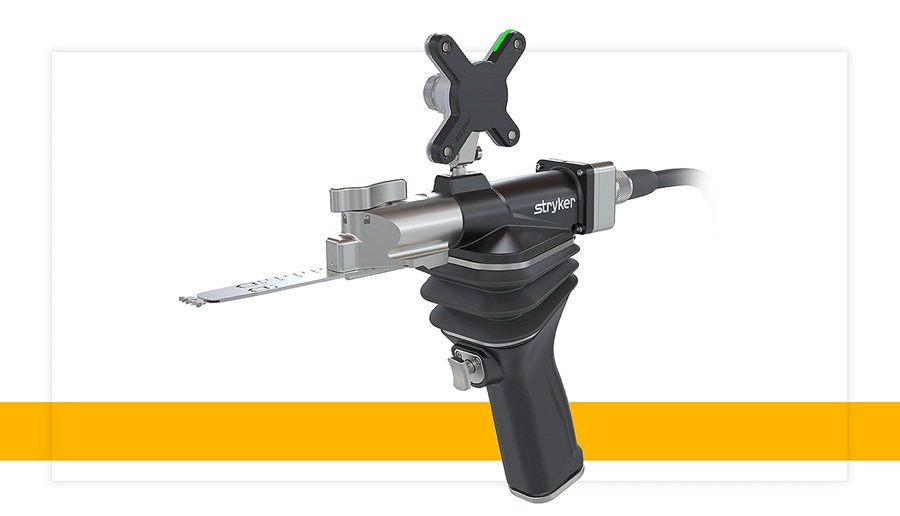
Patient Care
view channel
Wearable Sleep Data Predict Adherence to Pulmonary Rehabilitation
Chronic obstructive pulmonary disease (COPD) is a long-term lung disorder that makes breathing difficult and often disturbs sleep, reducing energy for daily activities. Limited engagement in pulmonary... Read more
Revolutionary Automatic IV-Line Flushing Device to Enhance Infusion Care
More than 80% of in-hospital patients receive intravenous (IV) therapy. Every dose of IV medicine delivered in a small volume (<250 mL) infusion bag should be followed by subsequent flushing to ensure... Read more

Health IT
view channel
EMR-Based Tool Predicts Graft Failure After Kidney Transplant
Kidney transplantation offers patients with end-stage kidney disease longer survival and better quality of life than dialysis, yet graft failure remains a major challenge. Although a successful transplant... Read more
Printable Molecule-Selective Nanoparticles Enable Mass Production of Wearable Biosensors
The future of medicine is likely to focus on the personalization of healthcare—understanding exactly what an individual requires and delivering the appropriate combination of nutrients, metabolites, and... Read more


Business
view channel
GE HealthCare Leads Major European Initiative to Advance Cardio-Oncology Care
Cardiovascular complications are increasingly recognized among people undergoing or recovering from cancer treatment, driven by pre‑existing disease and the cardiotoxic effects of chemotherapy, radiotherapy,... Read more

