






Automated Brain MRI Image Labeling Holds Enormous Potential for AI
|
By HospiMedica International staff writers Posted on 06 Aug 2021 |


|
Illustration
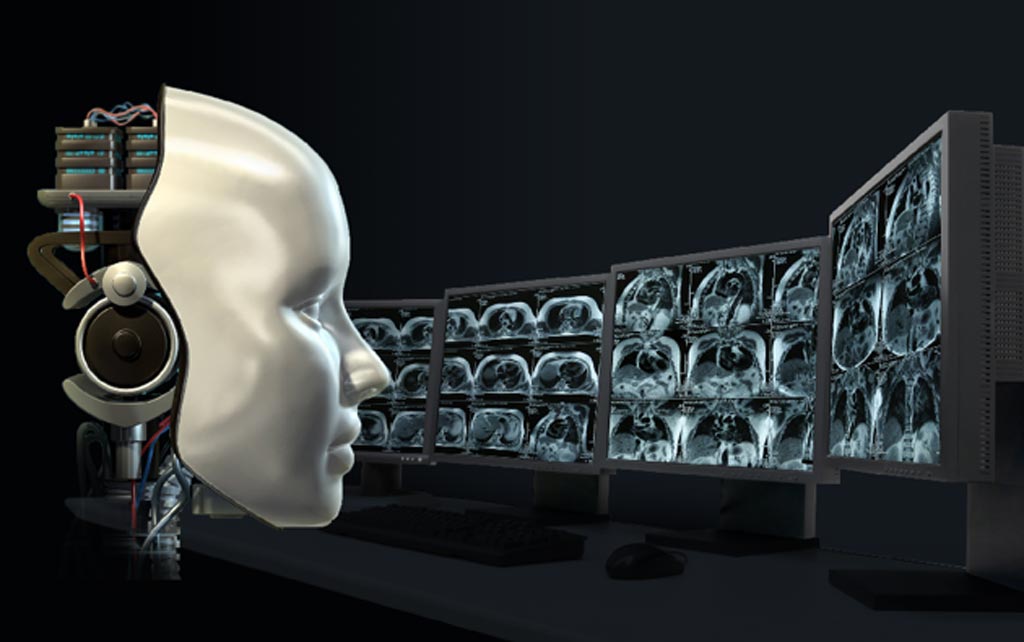
Researchers have automated brain MRI image labeling, needed to teach machine learning image recognition models, by deriving important labels from radiology reports and accurately assigning them to the corresponding MRI examinations, allowing more than 100,00 MRI examinations to be labeled in less than half an hour.
This was the first study that allowed researchers at King's College London (London UK) to label complex MRI image datasets at scale. The researchers say it would take years to manually perform labelling of more than 100,000 MRI examinations. Deep learning typically requires tens of thousands of labelled images to achieve the best possible performance in image recognition tasks. This represents a bottleneck to the development of deep learning systems for complex image datasets, particularly MRI which is fundamental to neurological abnormality detection.
"By overcoming this bottleneck, we have massively facilitated future deep learning image recognition tasks and this will almost certainly accelerate the arrival into the clinic of automated brain MRI readers. The potential for patient benefit through, ultimately, timely diagnosis, is enormous," said senior author, Dr. Tom Booth from the School of Biomedical Engineering & Imaging Sciences at King's College London.
"This study builds on recent breakthroughs in natural language processing, particularly the release of large transformer-based models such as BERT and BioBERT which have been trained on huge collections of unlabeled text such as all of English Wikipedia, and all PubMed Central abstracts and full-text articles; in the spirit of open-access science, we have also made our code and models available to other researchers to ensure that as many people benefit from this work as possible," added lead author, Dr. David Wood from the School of Biomedical Engineering & Imaging Sciences.
According to the researchers, while one barrier has now been overcome, further challenges will be, firstly, to perform the deep learning image recognition tasks which also have multiple technical challenges; and secondly, once this is achieved, to ensure the developed models can still perform accurately across different hospitals using different scanners.
Related Links:
King's College London





This was the first study that allowed researchers at King's College London (London UK) to label complex MRI image datasets at scale. The researchers say it would take years to manually perform labelling of more than 100,000 MRI examinations. Deep learning typically requires tens of thousands of labelled images to achieve the best possible performance in image recognition tasks. This represents a bottleneck to the development of deep learning systems for complex image datasets, particularly MRI which is fundamental to neurological abnormality detection.
"By overcoming this bottleneck, we have massively facilitated future deep learning image recognition tasks and this will almost certainly accelerate the arrival into the clinic of automated brain MRI readers. The potential for patient benefit through, ultimately, timely diagnosis, is enormous," said senior author, Dr. Tom Booth from the School of Biomedical Engineering & Imaging Sciences at King's College London.
"This study builds on recent breakthroughs in natural language processing, particularly the release of large transformer-based models such as BERT and BioBERT which have been trained on huge collections of unlabeled text such as all of English Wikipedia, and all PubMed Central abstracts and full-text articles; in the spirit of open-access science, we have also made our code and models available to other researchers to ensure that as many people benefit from this work as possible," added lead author, Dr. David Wood from the School of Biomedical Engineering & Imaging Sciences.
According to the researchers, while one barrier has now been overcome, further challenges will be, firstly, to perform the deep learning image recognition tasks which also have multiple technical challenges; and secondly, once this is achieved, to ensure the developed models can still perform accurately across different hospitals using different scanners.
Related Links:
King's College London

New
Gold Member
Handheld Blood Glucose Analyzer
STAT-Site
New
Resorbable Bovine Collagen Membrane
GenDerm
New
Creatinine/eGFR Meter
StatSensor® Creatinine/eGFR Meter
Latest MRI News
Channels
Artificial Intelligence
view channel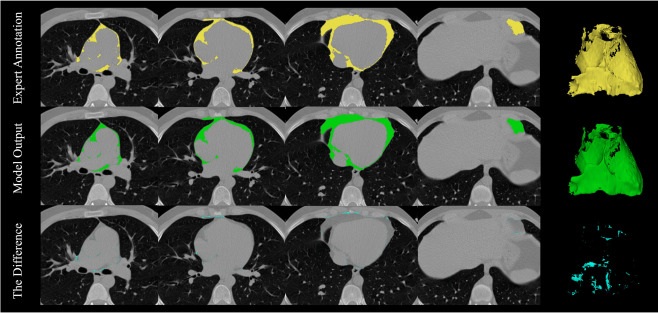
AI Analysis of Pericardial Fat Refines Long-Term Heart Disease Risk
Accurately identifying long-term cardiovascular disease risk in asymptomatic adults remains challenging for clinicians. Missed or underestimated risk delays preventive therapy and increases the chance... Read more
Machine Learning Approach Enhances Liver Cancer Risk Stratification
Hepatocellular carcinoma, the most common form of primary liver cancer, is often detected late despite targeted surveillance programs. Current screening guidelines emphasize patients with known cirrhosis,... Read more

Critical Care
view channel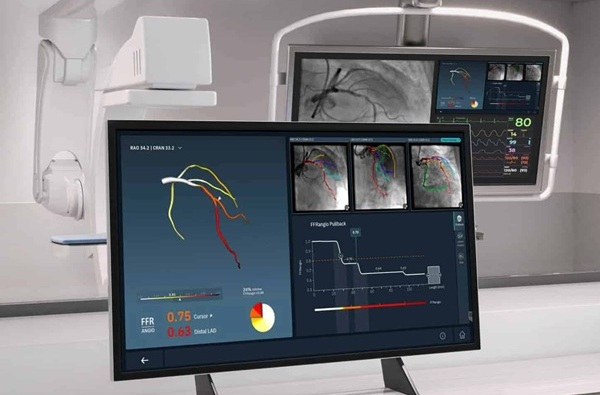
Angiography-Based FFR Approach Matches Gold Standard Results Without Wires
Accurately determining whether a coronary stenosis limits blood flow is essential to guide percutaneous coronary intervention, yet wire-based physiologic testing remains underused due to added procedural... Read more
Eye Imaging AI Identifies Elevated Cardiovascular Risk
Many adults at risk for atherosclerotic cardiovascular disease are not identified until they undergo formal primary care assessment. Delayed risk recognition can postpone initiation of statins and lifestyle... Read more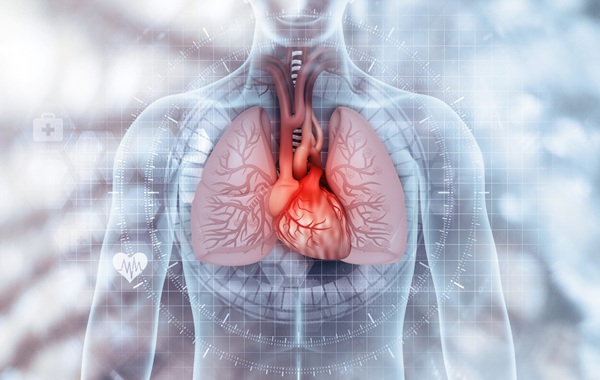

Surgical Techniques
view channel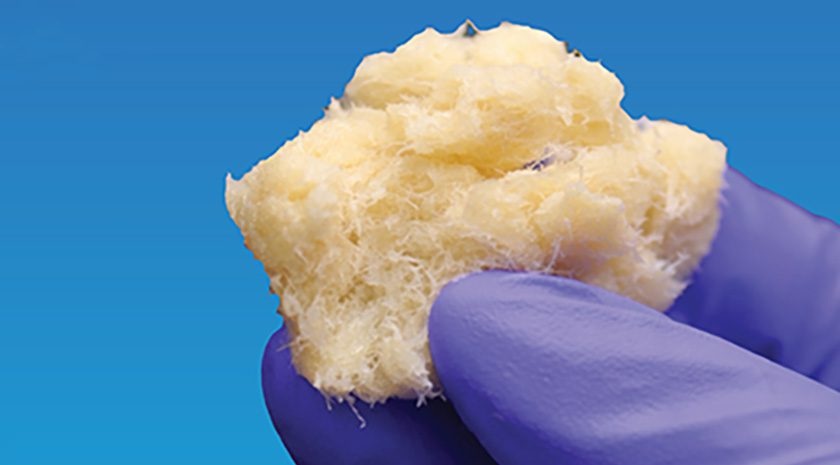
Fiber-Form Bone Graft Expands Intraoperative Options for Spinal Fusion
Spinal and orthopedic fusion procedures often require bone graft materials that handle predictably and support bone formation. Surgeons face added complexity in difficult anatomy and challenging fusion environments.... Read more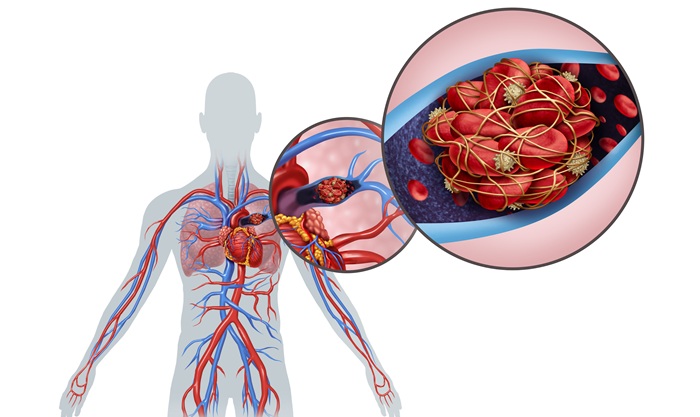
Ultrasound‑Aided Catheter Treatment Cuts Early Collapse in Pulmonary Embolism
Acute pulmonary embolism can cause rapid hemodynamic deterioration and early death in hospitalized and emergency patients. Systemic thrombolysis can dissolve clots but is limited by a high risk of major... Read more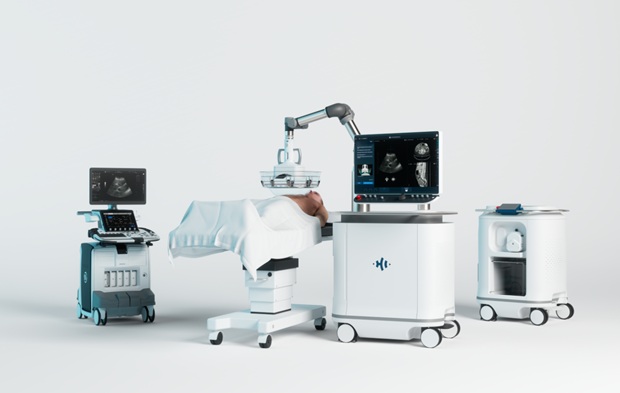

Patient Care
view channel
Wearable Sleep Data Predict Adherence to Pulmonary Rehabilitation
Chronic obstructive pulmonary disease (COPD) is a long-term lung disorder that makes breathing difficult and often disturbs sleep, reducing energy for daily activities. Limited engagement in pulmonary... Read more
Revolutionary Automatic IV-Line Flushing Device to Enhance Infusion Care
More than 80% of in-hospital patients receive intravenous (IV) therapy. Every dose of IV medicine delivered in a small volume (<250 mL) infusion bag should be followed by subsequent flushing to ensure... Read more

Health IT
view channel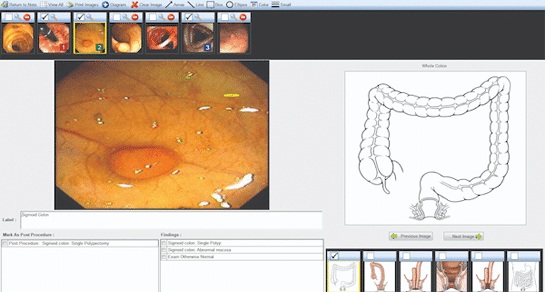
Voice-Driven AI System Enables Structured GI Procedure Documentation
Documentation during gastrointestinal (GI) procedures often competes with real-time clinical decision-making and imposes a significant cognitive burden on physicians. Manual data entry and post-procedure... Read more
EMR-Based Tool Predicts Graft Failure After Kidney Transplant
Kidney transplantation offers patients with end-stage kidney disease longer survival and better quality of life than dialysis, yet graft failure remains a major challenge. Although a successful transplant... Read more
Printable Molecule-Selective Nanoparticles Enable Mass Production of Wearable Biosensors
The future of medicine is likely to focus on the personalization of healthcare—understanding exactly what an individual requires and delivering the appropriate combination of nutrients, metabolites, and... Read more

Business
view channel
GE HealthCare Leads Major European Initiative to Advance Cardio-Oncology Care
Cardiovascular complications are increasingly recognized among people undergoing or recovering from cancer treatment, driven by pre‑existing disease and the cardiotoxic effects of chemotherapy, radiotherapy,... Read more

