






UV-C Device Transforms Mobile Phones Into a Sanitizing Tool 
|
By HospiMedica International staff writers Posted on 24 Aug 2021 |


|
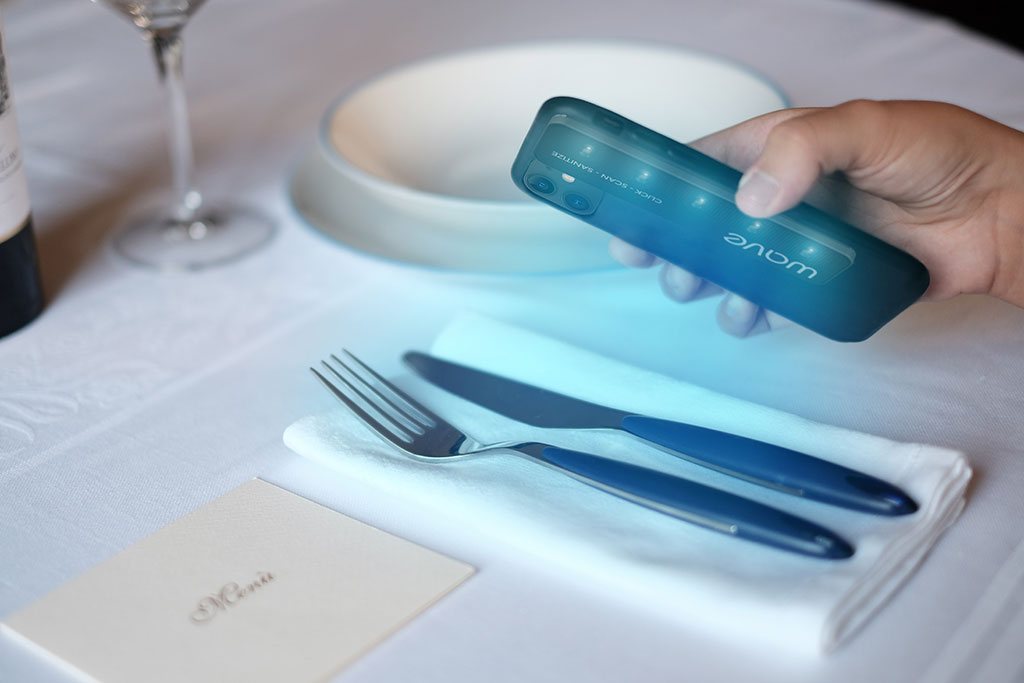
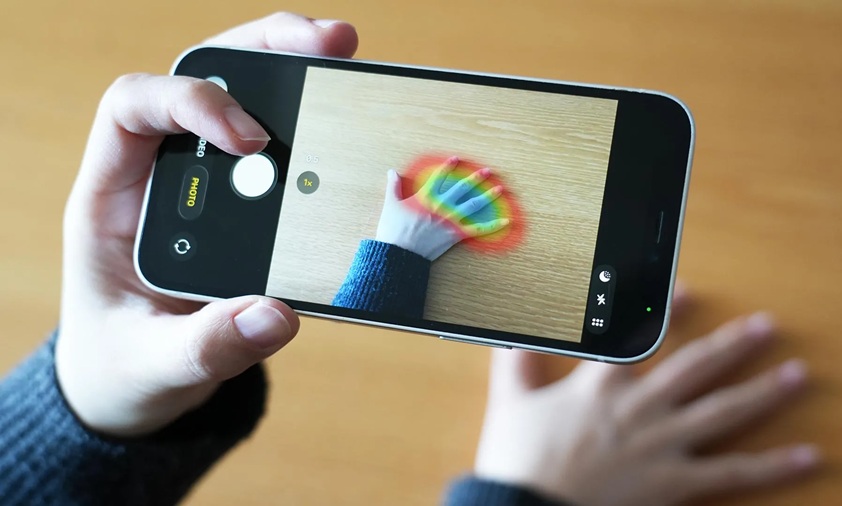
Image: A UV-C lamp that links to a smartphone sanitizes surfaces on demand (Photo courtesy of UV-C Labs)
A novel UV-C light that seamlessly integrates with smartphones wipes out 98% of illuminated viruses and bacteria in seconds.
The UV-C Labs (San Francisco, CA, USA) Wave is a slim, compact, rechargeable lamp that provides safe ultraviolet light, sanitizing any surface in just 15-30 seconds of illumination. Wave includes five UV-C germicidal lights that emit 265-280nm wavelength light and five visible light LEDs. The low maintenance device has a long life battery, with a single full charge sufficient for up to 100 uses, and charging time is only 30 minutes. Laboratory results have shown an effective elimination of 98% of viruses and bacteria in seconds.
To use, Wave is affixed to the rear of a smartphone by peelingthe protective cover off the adhesive strip and pressing it into place. After downloading the app, Wave is paired to the smartphone via Bluetooth 5.0. The app guides the user through the sanitation process, which includes scanning the surface to identify the amount of sanitation needed. The app also includes a password enabled child-proof lock. The Wave is available in black or white colors.
“Not all UV-C light devices are created equally. Devices need to hit the sweet spot on effectively eliminating pathogens while being safe for humans. Wave went through rigorous testing to ensure both of these aspects were prioritized,” said Karim Abud, CEO of UV-C Labs. “Whether hitting the gym or dining out, there is always space for Wave. With the slick build of Wave, users may forget about the powerful sanitation tool at their fingertips.”
“Wave uses proven technology that has shown to kill 99.8% of bacteria and viruses. This product is essential for everyone and consumers may use it at any moment of their day to sanitize any surface with a touch of a button,” said Harendra Chahar, PhD, director of lab operations of Baylor Genetics (Houston, TX, USA). “The application will have the ability to show each surface, and will guide all the users with the process of sanitization, allowing you to use the product for the right amount of time and correct distance to effectively kill anything on the surface.”
UVC light induces the formation of pyrimidine dimmers from thymine and cytosine; these dimers in turn cause disruptions in microbial DNA, making genetic replication impossible, thus destroying the organisms or rendering them unable to reproduce.
Related Links:
UV-C Labs




The UV-C Labs (San Francisco, CA, USA) Wave is a slim, compact, rechargeable lamp that provides safe ultraviolet light, sanitizing any surface in just 15-30 seconds of illumination. Wave includes five UV-C germicidal lights that emit 265-280nm wavelength light and five visible light LEDs. The low maintenance device has a long life battery, with a single full charge sufficient for up to 100 uses, and charging time is only 30 minutes. Laboratory results have shown an effective elimination of 98% of viruses and bacteria in seconds.
To use, Wave is affixed to the rear of a smartphone by peelingthe protective cover off the adhesive strip and pressing it into place. After downloading the app, Wave is paired to the smartphone via Bluetooth 5.0. The app guides the user through the sanitation process, which includes scanning the surface to identify the amount of sanitation needed. The app also includes a password enabled child-proof lock. The Wave is available in black or white colors.
“Not all UV-C light devices are created equally. Devices need to hit the sweet spot on effectively eliminating pathogens while being safe for humans. Wave went through rigorous testing to ensure both of these aspects were prioritized,” said Karim Abud, CEO of UV-C Labs. “Whether hitting the gym or dining out, there is always space for Wave. With the slick build of Wave, users may forget about the powerful sanitation tool at their fingertips.”
“Wave uses proven technology that has shown to kill 99.8% of bacteria and viruses. This product is essential for everyone and consumers may use it at any moment of their day to sanitize any surface with a touch of a button,” said Harendra Chahar, PhD, director of lab operations of Baylor Genetics (Houston, TX, USA). “The application will have the ability to show each surface, and will guide all the users with the process of sanitization, allowing you to use the product for the right amount of time and correct distance to effectively kill anything on the surface.”
UVC light induces the formation of pyrimidine dimmers from thymine and cytosine; these dimers in turn cause disruptions in microbial DNA, making genetic replication impossible, thus destroying the organisms or rendering them unable to reproduce.
Related Links:
UV-C Labs

Gold Member
12-Channel ECG
CM1200B
New
Rapid Sepsis Test
SeptiCyte RAPID
New
Medical Adhesive
MED 5570U
Latest Critical Care News
- Automated IV Labeling Solution Improves Infusion Safety and Efficiency
- First-Of-Its-Kind AI Tool Detects Pulmonary Hypertension from Standard ECGs
- 4D Digital Twin Heart Model Improves CRT Outcomes
- AI Turns Glucose Data Into Actionable Insights for Diabetes Care
- Microscale Wireless Implant Tracks Brain Activity Over Time
- Smart Mask Delivers Continuous, Battery-Free Breath Monitoring
- Routine Blood Pressure Readings May Identify Risk of Future Cognitive Decline
- CGM-Based Algorithm Enhances Insulin Dose Adjustment in Type 2 Diabetes
- Fish Scale–Based Implants Offer New Approach to Corneal Repair
- Dual-Function Wound Patch Combines Infection Sensing and Treatment
- Smartwatch Signals and Blood Tests Team Up for Early Warning on Insulin Resistance
- Smart Fabric Technology Aims to Prevent Pressure Injuries in Hospital Care
- Standardized Treatment Algorithm Improves Blood Pressure Control
- Combined Infection Control Strategy Limits Drug-Resistant Outbreak in NICU
- AI Helps Predict Which Heart-Failure Patients Will Worsen Within a Year
- Algorithm Allows Paramedics to Predict Brain Damage Risk After Cardiac Arrest
Channels
Artificial Intelligence
view channel
Machine Learning Approach Enhances Liver Cancer Risk Stratification
Hepatocellular carcinoma, the most common form of primary liver cancer, is often detected late despite targeted surveillance programs. Current screening guidelines emphasize patients with known cirrhosis,... Read more
New AI Approach Monitors Brain Health Using Passive Wearable Data
Brain health spans cognitive and emotional functions and can fluctuate even in adults without diagnosed disease. Detecting early changes remains difficult in routine care and burdens specialty services... Read more
Surgical Techniques
view channel
Continuous Monitoring with Wearables Enhances Postoperative Patient Safety
Postoperative hypoxemia on general surgical wards is common and often missed by intermittent vital sign checks. Undetected low oxygen levels can delay recovery and raise the risk of complications that... Read more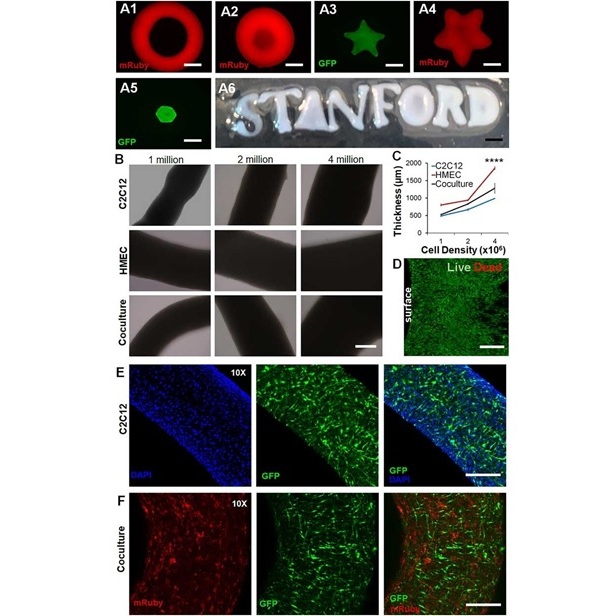
New Approach Enables Customized Muscle Tissue Without Biomaterial Scaffolds
Volumetric muscle loss is a traumatic loss of skeletal muscle that often leads to permanent functional impairment and limited reconstructive options. Current experimental strategies struggle to deliver... Read more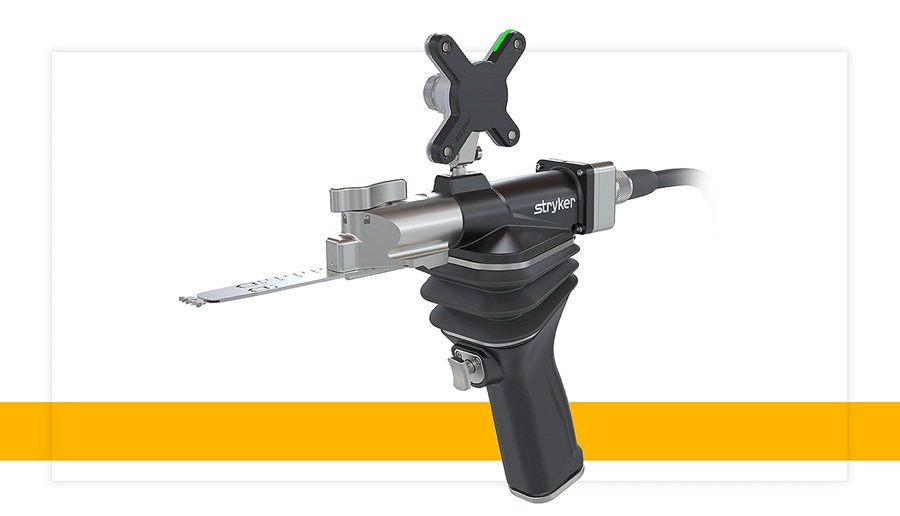
Patient Care
view channel
Wearable Sleep Data Predict Adherence to Pulmonary Rehabilitation
Chronic obstructive pulmonary disease (COPD) is a long-term lung disorder that makes breathing difficult and often disturbs sleep, reducing energy for daily activities. Limited engagement in pulmonary... Read more
Revolutionary Automatic IV-Line Flushing Device to Enhance Infusion Care
More than 80% of in-hospital patients receive intravenous (IV) therapy. Every dose of IV medicine delivered in a small volume (<250 mL) infusion bag should be followed by subsequent flushing to ensure... Read more

Health IT
view channel
EMR-Based Tool Predicts Graft Failure After Kidney Transplant
Kidney transplantation offers patients with end-stage kidney disease longer survival and better quality of life than dialysis, yet graft failure remains a major challenge. Although a successful transplant... Read more
Printable Molecule-Selective Nanoparticles Enable Mass Production of Wearable Biosensors
The future of medicine is likely to focus on the personalization of healthcare—understanding exactly what an individual requires and delivering the appropriate combination of nutrients, metabolites, and... Read more


Business
view channel
GE HealthCare Leads Major European Initiative to Advance Cardio-Oncology Care
Cardiovascular complications are increasingly recognized among people undergoing or recovering from cancer treatment, driven by pre‑existing disease and the cardiotoxic effects of chemotherapy, radiotherapy,... Read more

