






Automated AI Reads Electronic Health Records
|
By HospiMedica International staff writers Posted on 22 Sep 2021 |


|
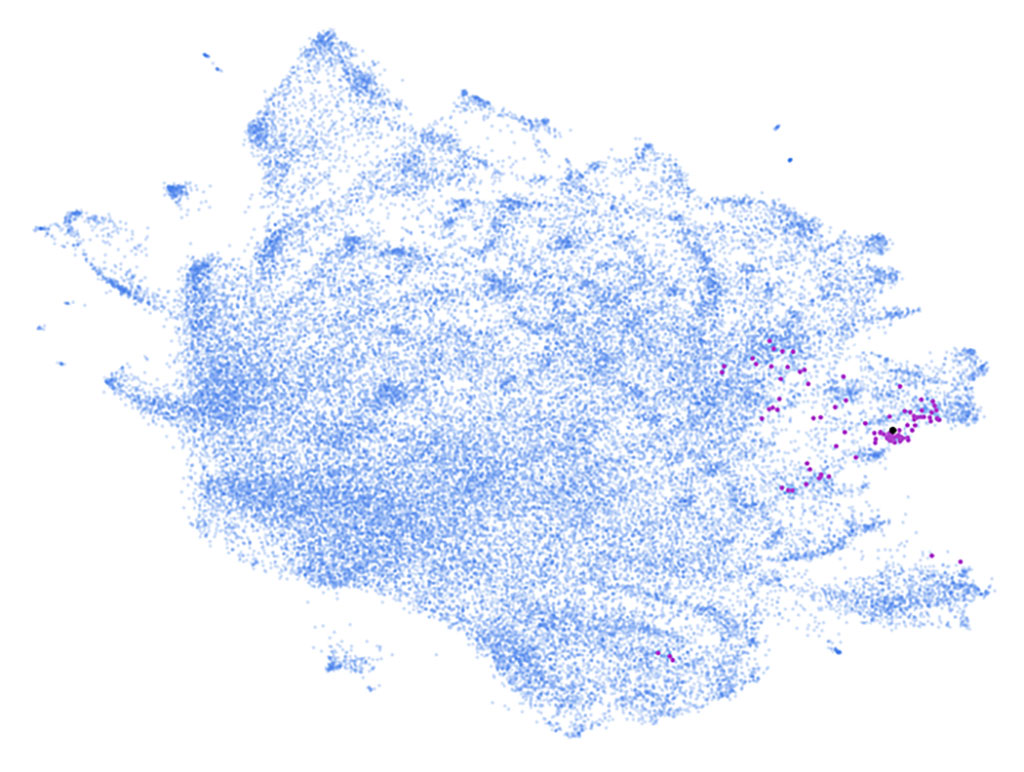
Phe2vec identified dementia cases (purple dots) from a two million patient database (blue dots) (Photo courtesy of MSSM)
A new study shows how an artificial intelligence (AI)-based algorithm can read electronic health record (EHR) data to identify certain diseases.
The Phe2vec algorithm, developed by researchers at the Icahn School of Medicine at Mount Sinai (MSSM; New York, NY, USA) and the University of Potsdam (Germany), uses unsupervised machine learning (ML) to derive conceptual relationships between EHR data and a host of known diseases. The algorithm relies on embedding previous algorithms, developed by other researchers (such as linguists), to study word networks in various languages.
To test its performance, Phe2vec attempted to identify the diagnoses of nearly two million patients whose data was stored in the MSSM EHR. Results showed that for nine out of ten diseases tested, the system was as effective as, or even slightly better than, the gold standard manual phenotyping process, correctly identifying diagnoses of dementia, multiple sclerosis, and sickle cell anemia, among others. The study was published on September 2, 2021, in Patterns.
“There continues to be an explosion in the amount and types of data electronically stored in a patient’s medical record. Disentangling this complex web of data can be highly burdensome,” said senior author Benjamin Glicksberg, PhD, of the MSSM Hasso Plattner Institute for Digital Health (HPIMS). “Phe2vec aims to contribute to the next generation of clinical systems that use machine learning to offer a more holistic way to examine disease complexity and to improve clinical practice and medical research.”
Currently, scientists rely on a system called the Phenotype Knowledgebase (PheKB) to mine medical records for new information. To study a disease, researchers first have to comb through reams of medical records looking for pieces of data, such as certain lab tests or prescriptions, which are uniquely associated with the disease. They then program an algorithm to search for patients who have those disease-specific pieces of data (the phenotype). Each time researchers want to study a new disease, they have to restart this process from scratch.
Related Links:
Icahn School of Medicine at Mount Sinai
University of Potsdam







The Phe2vec algorithm, developed by researchers at the Icahn School of Medicine at Mount Sinai (MSSM; New York, NY, USA) and the University of Potsdam (Germany), uses unsupervised machine learning (ML) to derive conceptual relationships between EHR data and a host of known diseases. The algorithm relies on embedding previous algorithms, developed by other researchers (such as linguists), to study word networks in various languages.
To test its performance, Phe2vec attempted to identify the diagnoses of nearly two million patients whose data was stored in the MSSM EHR. Results showed that for nine out of ten diseases tested, the system was as effective as, or even slightly better than, the gold standard manual phenotyping process, correctly identifying diagnoses of dementia, multiple sclerosis, and sickle cell anemia, among others. The study was published on September 2, 2021, in Patterns.
“There continues to be an explosion in the amount and types of data electronically stored in a patient’s medical record. Disentangling this complex web of data can be highly burdensome,” said senior author Benjamin Glicksberg, PhD, of the MSSM Hasso Plattner Institute for Digital Health (HPIMS). “Phe2vec aims to contribute to the next generation of clinical systems that use machine learning to offer a more holistic way to examine disease complexity and to improve clinical practice and medical research.”
Currently, scientists rely on a system called the Phenotype Knowledgebase (PheKB) to mine medical records for new information. To study a disease, researchers first have to comb through reams of medical records looking for pieces of data, such as certain lab tests or prescriptions, which are uniquely associated with the disease. They then program an algorithm to search for patients who have those disease-specific pieces of data (the phenotype). Each time researchers want to study a new disease, they have to restart this process from scratch.
Related Links:
Icahn School of Medicine at Mount Sinai
University of Potsdam

New
Gold Member
Neonatal Heel Incision Device
Tenderfoot
New
Medical Examination & Procedure Light
Vega 80
New
POC Respiratory/Sore Throat Test
BIOFIRE SPOTFIRE (R/ST) Panel
Latest AI News
- AI Analysis of Pericardial Fat Refines Long-Term Heart Disease Risk
- Machine Learning Approach Enhances Liver Cancer Risk Stratification
- New AI Approach Monitors Brain Health Using Passive Wearable Data
- AI Tool Maps Early Risk Patterns in Bloodstream Infections
- AI Model Identifies Rare Endocrine Disorder from Hand Images
- AI Tool Promises to Reduce Length of Hospital Stays and Free Up Beds
Channels
Critical Care
view channel
Angiography-Based FFR Approach Matches Gold Standard Results Without Wires
Accurately determining whether a coronary stenosis limits blood flow is essential to guide percutaneous coronary intervention, yet wire-based physiologic testing remains underused due to added procedural... Read more
Eye Imaging AI Identifies Elevated Cardiovascular Risk
Many adults at risk for atherosclerotic cardiovascular disease are not identified until they undergo formal primary care assessment. Delayed risk recognition can postpone initiation of statins and lifestyle... Read more

Surgical Techniques
view channel
Fiber-Form Bone Graft Expands Intraoperative Options for Spinal Fusion
Spinal and orthopedic fusion procedures often require bone graft materials that handle predictably and support bone formation. Surgeons face added complexity in difficult anatomy and challenging fusion environments.... Read more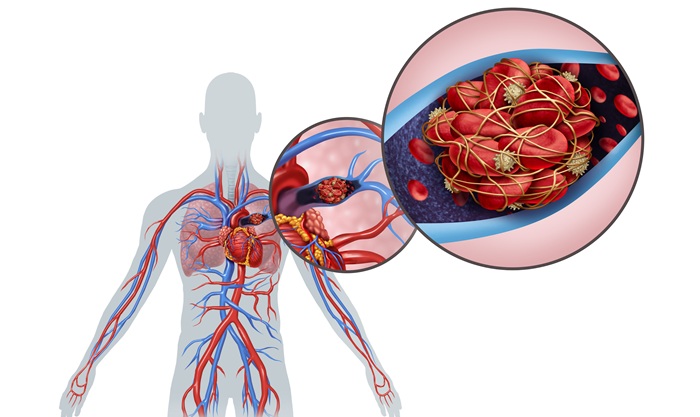
Ultrasound‑Aided Catheter Treatment Cuts Early Collapse in Pulmonary Embolism
Acute pulmonary embolism can cause rapid hemodynamic deterioration and early death in hospitalized and emergency patients. Systemic thrombolysis can dissolve clots but is limited by a high risk of major... Read more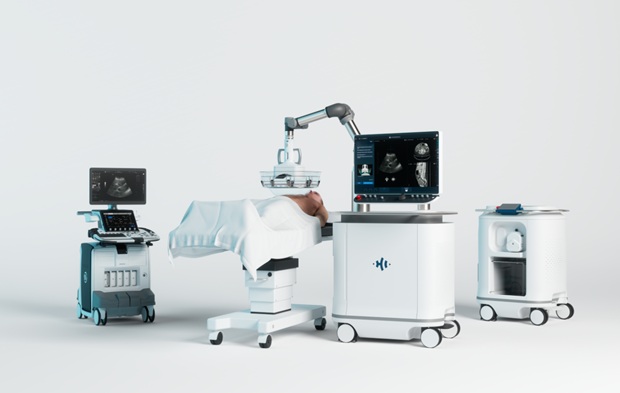

Patient Care
view channel
Wearable Sleep Data Predict Adherence to Pulmonary Rehabilitation
Chronic obstructive pulmonary disease (COPD) is a long-term lung disorder that makes breathing difficult and often disturbs sleep, reducing energy for daily activities. Limited engagement in pulmonary... Read more
Revolutionary Automatic IV-Line Flushing Device to Enhance Infusion Care
More than 80% of in-hospital patients receive intravenous (IV) therapy. Every dose of IV medicine delivered in a small volume (<250 mL) infusion bag should be followed by subsequent flushing to ensure... Read more

Health IT
view channel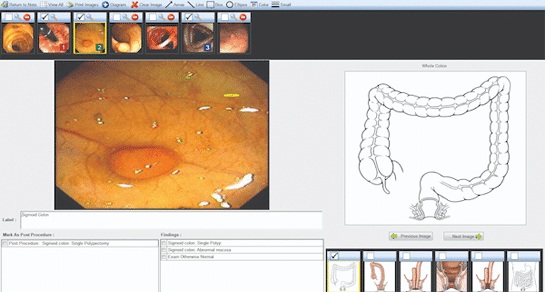
Voice-Driven AI System Enables Structured GI Procedure Documentation
Documentation during gastrointestinal (GI) procedures often competes with real-time clinical decision-making and imposes a significant cognitive burden on physicians. Manual data entry and post-procedure... Read more
EMR-Based Tool Predicts Graft Failure After Kidney Transplant
Kidney transplantation offers patients with end-stage kidney disease longer survival and better quality of life than dialysis, yet graft failure remains a major challenge. Although a successful transplant... Read more
Printable Molecule-Selective Nanoparticles Enable Mass Production of Wearable Biosensors
The future of medicine is likely to focus on the personalization of healthcare—understanding exactly what an individual requires and delivering the appropriate combination of nutrients, metabolites, and... Read more

Business
view channel
GE HealthCare Leads Major European Initiative to Advance Cardio-Oncology Care
Cardiovascular complications are increasingly recognized among people undergoing or recovering from cancer treatment, driven by pre‑existing disease and the cardiotoxic effects of chemotherapy, radiotherapy,... Read more

