






Global X-Ray Detectors Market to Surpass USD 4.5 Billion Due to Increasing Use of CT Scans for COVID-19 Diagnosis
|
By HospiMedica International staff writers Posted on 25 Oct 2021 |


|

The global X-ray detectors market is projected to expand at a CAGR of 5.9% during the forecast period of 2021-2031 to reach USD 4.6 billion by 2031, driven mainly by the rising use of radiographic chest scans for COVID-19 diagnosis.
These are the latest findings of Transparency Market Research (Albany, NY, USA), a next-generation market intelligence provider. The market growth will be further aided by the increasing use of X-ray detectors in several applications, growing incidences of gastrointestinal, cardiovascular, oral, and genitourinary disorders and introduction of innovative X-ray detectors for security, industrial, medical, dental, veterinary, and other purposes. In addition, technological advancements that will enable detectors to provide better detail, higher resolution, and decreased exposure will also provide a boost to the global X-ray detectors market.
The use of X-ray detectors for COVID-19 diagnosis will prove to be a key contributor to market growth. Reverse Transcription Polymerase Chain Reaction (RT-PCR) tests are accurate in detecting COVID-19 in individuals, but are very complicated, time-consuming, and costly. Stakeholders in the X-ray detectors market are taking advantage of this opportunity to increase the availability of radiological examination through X-ray such as CT (Computed Tomography) scans, which is a cost-efficient and easily available option. The rising use of X-ray detectors for radiographic chest scans during the COVID-19 pandemic offers substantial growth opportunities.
These detectors are also being optimized by the players for various industrial inspection and material sorting applications. In addition, wider application of X-ray detectors in image-guided radiation therapy, fluoroscopy, digital radiography, cone beam CT, digital tomosynthesis, and others are expected to further fuel market growth. The growing focus of several countries on developing a well-established healthcare infrastructure is also likely to drive the growth of the global X-ray detectors market.
Flat panel detectors are expected to observe a rise in demand, as they offer various advantages such as uniform imaging quality, less image distortion, low time consumption, good reproducibility, and better patient condition access, among others. In addition, they are proven to be very successful in high exposure interventional procedures. Among panel types, the large panel category of the X-ray detectors market is expected to witness promising growth. The growing number of patients undergoing diagnostic imaging tests, and expanding adoption of new and advanced large panel detectors are likely to propel the growth of the X-ray detectors market.
Geographically, North America held the largest share of the global X-ray detectors market in 2020 and is expected to maintain its position during the forecast period. The growing number of dental CBCT scans in the US due to increasing dental diseases among a considerable share of its population is anticipated to propel the growth of the North American X-ray detectors market. Furthermore, the Asia Pacific X-ray detectors market is also projected to grow rapidly during the forecast period. Increasing efforts by several countries in the region to develop a well-established healthcare infrastructure, coupled with novel product launches in China and Japan, are expected to fuel the growth of the X-ray detectors market in the Asia Pacific.
Related Links:
Transparency Market Research





Latest Business News
- GE HealthCare Leads Major European Initiative to Advance Cardio-Oncology Care
- Medtronic and GE HealthCare Broaden Alliance Across Monitoring and Care Solutions
- Quantum Surgical Acquires NeuWave from Johnson & Johnson
- Medtronic to Acquire Coronary Artery Medtech Company CathWorks
- Medtronic and Mindray Expand Strategic Partnership to Ambulatory Surgery Centers in the U.S.
- FDA Clearance Expands Robotic Options for Minimally Invasive Heart Surgery
- WHX in Dubai (formerly Arab Health) to debut specialised Biotech & Life Sciences Zone as sector growth accelerates globally
- WHX in Dubai (formerly Arab Health) to bring together key UAE government entities during the groundbreaking 2026 edition
- Interoperability Push Fuels Surge in Healthcare IT Market
- Philips and Masimo Partner to Advance Patient Monitoring Measurement Technologies
- B. Braun Acquires Digital Microsurgery Company True Digital Surgery
- CMEF 2025 to Promote Holistic and High-Quality Development of Medical and Health Industry
- Bayer and Broad Institute Extend Research Collaboration to Develop New Cardiovascular Therapies
- Medtronic Partners with Corsano to Expand Acute Care & Monitoring Portfolio in Europe
- Expanded Collaboration to Transform OR Technology Through AI and Automation
- Becton Dickinson to Spin Out Biosciences and Diagnostic Solutions Business
Channels
Artificial Intelligence
view channel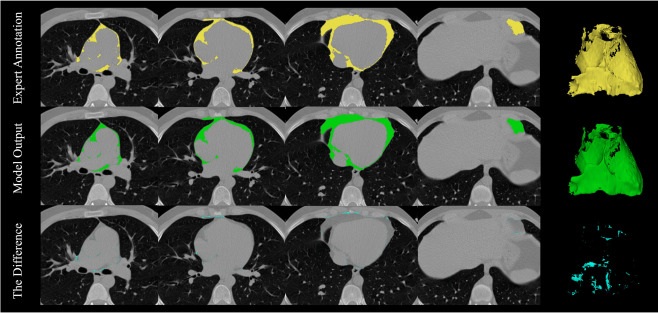
AI Analysis of Pericardial Fat Refines Long-Term Heart Disease Risk
Accurately identifying long-term cardiovascular disease risk in asymptomatic adults remains challenging for clinicians. Missed or underestimated risk delays preventive therapy and increases the chance... Read more
Machine Learning Approach Enhances Liver Cancer Risk Stratification
Hepatocellular carcinoma, the most common form of primary liver cancer, is often detected late despite targeted surveillance programs. Current screening guidelines emphasize patients with known cirrhosis,... Read more

Critical Care
view channel
Noninvasive Monitoring Device Enables Earlier Intervention in Heart Failure
Hospitalizations for heart failure with preserved ejection fraction (HFpEF) remain common because lung congestion often worsens before symptoms prompt treatment changes. Missed early decompensation... Read more
Automated IV Labeling Solution Improves Infusion Safety and Efficiency
Medication administration in high-acuity settings is often complicated by multiple concurrent infusions, making accurate line identification essential. In a 10-hospital intensive care unit study, 60% of... Read more

Surgical Techniques
view channel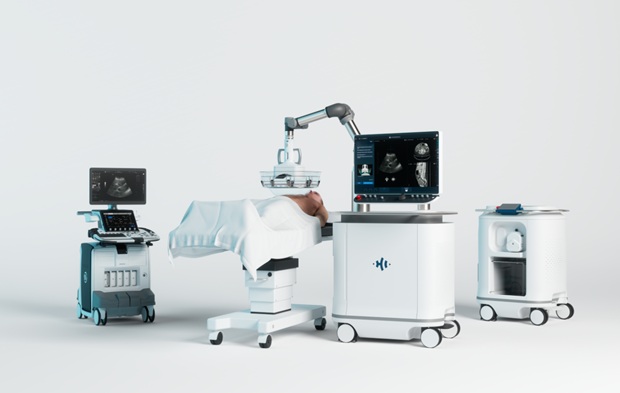
Ultrasound Technology Aims to Replace Invasive BPH Procedures
Benign prostatic hyperplasia (BPH) is a frequent cause of lower urinary tract symptoms in aging men and often requires invasive procedures or prolonged recovery. With prevalence expected to rise as populations... Read more
Continuous Monitoring with Wearables Enhances Postoperative Patient Safety
Postoperative hypoxemia on general surgical wards is common and often missed by intermittent vital sign checks. Undetected low oxygen levels can delay recovery and raise the risk of complications that... Read more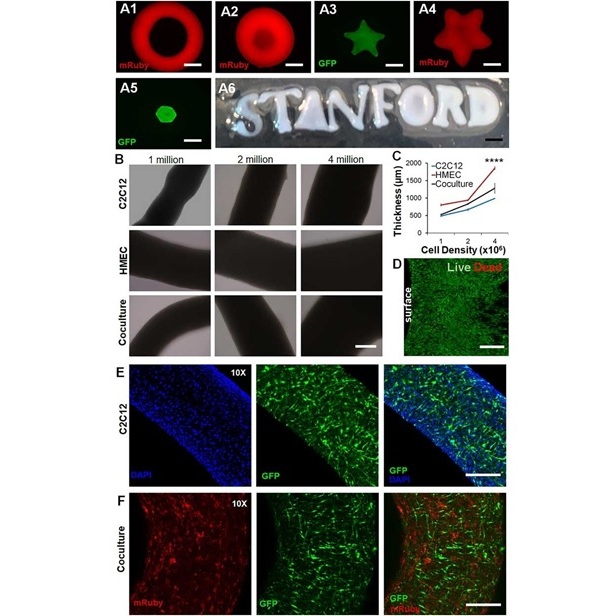
Patient Care
view channel
Wearable Sleep Data Predict Adherence to Pulmonary Rehabilitation
Chronic obstructive pulmonary disease (COPD) is a long-term lung disorder that makes breathing difficult and often disturbs sleep, reducing energy for daily activities. Limited engagement in pulmonary... Read more
Revolutionary Automatic IV-Line Flushing Device to Enhance Infusion Care
More than 80% of in-hospital patients receive intravenous (IV) therapy. Every dose of IV medicine delivered in a small volume (<250 mL) infusion bag should be followed by subsequent flushing to ensure... Read more

Health IT
view channel
EMR-Based Tool Predicts Graft Failure After Kidney Transplant
Kidney transplantation offers patients with end-stage kidney disease longer survival and better quality of life than dialysis, yet graft failure remains a major challenge. Although a successful transplant... Read more
Printable Molecule-Selective Nanoparticles Enable Mass Production of Wearable Biosensors
The future of medicine is likely to focus on the personalization of healthcare—understanding exactly what an individual requires and delivering the appropriate combination of nutrients, metabolites, and... Read more


Business
view channel
GE HealthCare Leads Major European Initiative to Advance Cardio-Oncology Care
Cardiovascular complications are increasingly recognized among people undergoing or recovering from cancer treatment, driven by pre‑existing disease and the cardiotoxic effects of chemotherapy, radiotherapy,... Read more

