






New Arrhythmia Mapping Technology Could Increase Ablation Success Rates
|
By HospiMedica International staff writers Posted on 09 May 2022 |


|
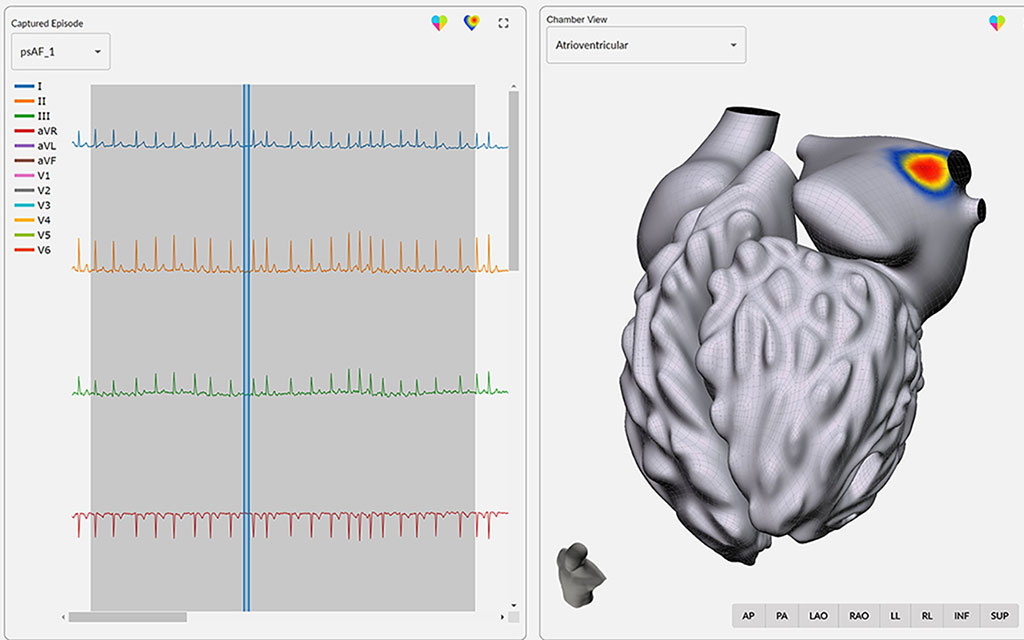
The current standard of care for treating heart arrhythmias – any type of irregular heartbeat that is too fast, too slow, or mistimed due to an electrical signal misfiring – is to carefully burn or freeze the exact spot in the heart where the electrical misfiring is coming from. This procedure, called an ablation, resets the electrical signals and heartbeat. However, before an electrophysiologist can perform an ablation, they need to know precisely where in the heart the arrhythmia is coming from. Now, a new technology can accurately and noninvasively map atrial and ventricular heart arrhythmias in a matter of minutes.
The vMap technology, invented by bioengineers and cardiologists from the University of California San Diego (La Jolla, CA, USA), is a tool for physicians to better understand seven important and often dangerous arrhythmias – ventricular tachycardia; premature ventricular complex; ventricular fibrillation; focal atrial tachycardia; premature atrial complex; orthodromic atrioventricular reentrant tachycardia; and atrial fibrillation. The information vMap provides is intended to increase the success rate for patients undergoing these ablation procedures. vMap is currently in use by physicians at UC San Diego Health with the intent to reduce ablation procedure times and increase ablation success rates for patients with these seven arrhythmias.
Instead of sending a catheter into a patient’s heart to localize the source of the arrhythmia, the new vMap technology requires only data from a standard noninvasive 12-lead electrocardiogram (ECG) – performed in most clinical and ambulatory settings – to create a three-dimensional interactive map of arrhythmia source locations in all four chambers of the heart. Combining computationally efficient modeling methods with modern-day computing architectures and resources, a library of over one million arrhythmia simulations was created in just under one year, a vast improvement from the tens of thousands of years it would have otherwise taken. The clinical product was then designed and implemented according to the needs and experiences of electrophysiologists. The patient’s ECG recordings are compared to this simulation database to accurately locate the source of the arrhythmia. A multicenter, blinded clinical trial showed that in 255 arrhythmia episodes from 225 patients, the vMap tool had a regional accuracy of 96.9%, with a spatial accuracy of 15mm. The median time to complete the mapping process was 48 seconds. vMap recently received FDA clearance.
“Mapping is critical to planning and performing ablation. The current process of arrhythmia localization relies upon invasive catheter mapping” said Dr. David Krummen, Assistant Professor of Medicine, electrophysiologist, and bioengineering alumnus. “It generally works well, but the process can be time consuming, increasing fluoroscopy and anesthesia exposure for the patient. Moreover, occasionally the catheter-based process may "bump" the arrhythmia source and suppress the clinical arrhythmia, preventing further mapping.”
“We wanted to find a way to pinpoint the arrhythmia source location using data from the 12-lead ECG,” he added. “The 12-lead ECG is used in a variety of clinical settings outside the electrophysiology laboratory including the emergency department, the intensive care unit, and the outpatient clinic. One of the major goals of the system is to leverage arrhythmia data from these ECGs to potentially allow arrhythmia source mapping prior to arrival in electrophysiology lab.”
“It’s one thing to make fancy simulations, but it’s altogether another to make something that can be used in the pressure of a clinic, in a matter of minutes, that’s reliable,” said bioengineering Professor Andrew McCulloch. “And we’ve shown that vMap meets all these needs.”
Related Links:
UC San Diego





Latest Surgical Techniques News
- Fiber-Form Bone Graft Expands Intraoperative Options for Spinal Fusion
- Ultrasound‑Aided Catheter Treatment Cuts Early Collapse in Pulmonary Embolism
- Ultrasound Technology Aims to Replace Invasive BPH Procedures
- Continuous Monitoring with Wearables Enhances Postoperative Patient Safety
- New Approach Enables Customized Muscle Tissue Without Biomaterial Scaffolds
- Robot-Assisted Brain Angiography Improves Procedural Outcomes
- Brain Mapping Technology Enhances Precision in Brain Tumor Resection
- Handheld Robotic System Expands Options for Total Knee Surgery
- VR Experience Reduces Patient Anxiety Before Kidney Stone Procedure
- Injectable Mini Livers Offer Hope for Patients Awaiting Transplant
- Pulsed Field Ablation Technology Cleared in Europe for Persistent AFib
- AI-Powered Imaging Brings Real-Time Margin Clarity to Breast Cancer Surgery
- Minimally Invasive Device Safely Treats Challenging Brain Aneurysms
- Surgical Robot Makes Complex Liver Tumor Surgery Safer and Less Invasive
- Neurostimulation Implant Reduces Seizure Burden in Drug-Resistant Epilepsy
- Minimally Invasive Procedure Effectively Treats Small Kidney Cancers
Channels
Artificial Intelligence
view channel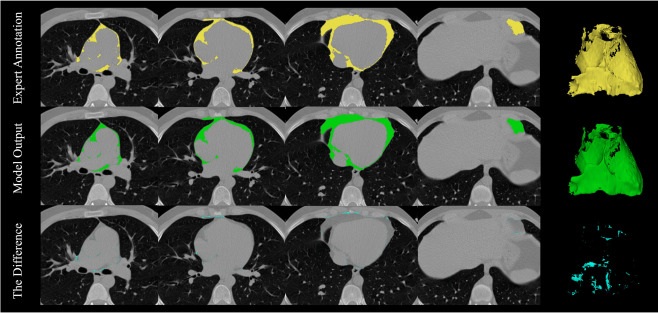
AI Analysis of Pericardial Fat Refines Long-Term Heart Disease Risk
Accurately identifying long-term cardiovascular disease risk in asymptomatic adults remains challenging for clinicians. Missed or underestimated risk delays preventive therapy and increases the chance... Read more
Machine Learning Approach Enhances Liver Cancer Risk Stratification
Hepatocellular carcinoma, the most common form of primary liver cancer, is often detected late despite targeted surveillance programs. Current screening guidelines emphasize patients with known cirrhosis,... Read more

Surgical Techniques
view channel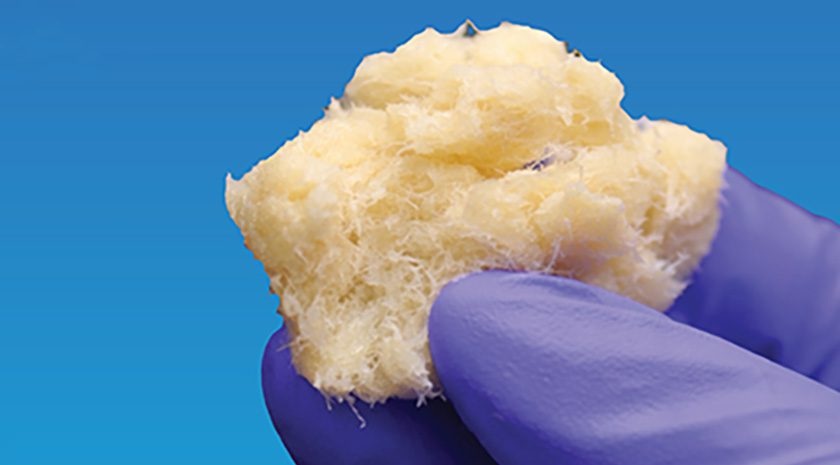
Fiber-Form Bone Graft Expands Intraoperative Options for Spinal Fusion
Spinal and orthopedic fusion procedures often require bone graft materials that handle predictably and support bone formation. Surgeons face added complexity in difficult anatomy and challenging fusion environments.... Read more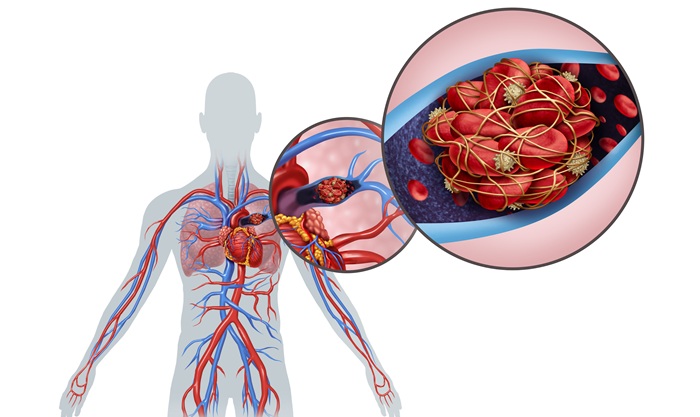
Ultrasound‑Aided Catheter Treatment Cuts Early Collapse in Pulmonary Embolism
Acute pulmonary embolism can cause rapid hemodynamic deterioration and early death in hospitalized and emergency patients. Systemic thrombolysis can dissolve clots but is limited by a high risk of major... Read more

Patient Care
view channel
Wearable Sleep Data Predict Adherence to Pulmonary Rehabilitation
Chronic obstructive pulmonary disease (COPD) is a long-term lung disorder that makes breathing difficult and often disturbs sleep, reducing energy for daily activities. Limited engagement in pulmonary... Read more
Revolutionary Automatic IV-Line Flushing Device to Enhance Infusion Care
More than 80% of in-hospital patients receive intravenous (IV) therapy. Every dose of IV medicine delivered in a small volume (<250 mL) infusion bag should be followed by subsequent flushing to ensure... Read more

Health IT
view channel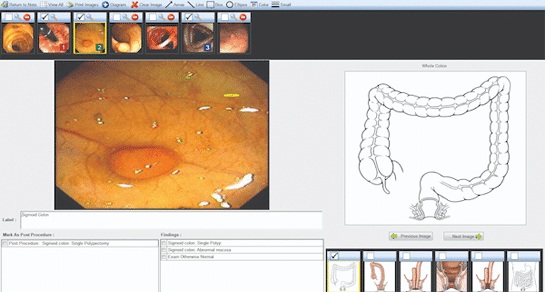
Voice-Driven AI System Enables Structured GI Procedure Documentation
Documentation during gastrointestinal (GI) procedures often competes with real-time clinical decision-making and imposes a significant cognitive burden on physicians. Manual data entry and post-procedure... Read more
EMR-Based Tool Predicts Graft Failure After Kidney Transplant
Kidney transplantation offers patients with end-stage kidney disease longer survival and better quality of life than dialysis, yet graft failure remains a major challenge. Although a successful transplant... Read more
Printable Molecule-Selective Nanoparticles Enable Mass Production of Wearable Biosensors
The future of medicine is likely to focus on the personalization of healthcare—understanding exactly what an individual requires and delivering the appropriate combination of nutrients, metabolites, and... Read more

Business
view channel
GE HealthCare Leads Major European Initiative to Advance Cardio-Oncology Care
Cardiovascular complications are increasingly recognized among people undergoing or recovering from cancer treatment, driven by pre‑existing disease and the cardiotoxic effects of chemotherapy, radiotherapy,... Read more

