






Smart Pacifier Eliminates Need for Invasive Blood Draws to Monitor Electrolytes of Babies in NICU
|
By HospiMedica International staff writers Posted on 17 May 2022 |


|
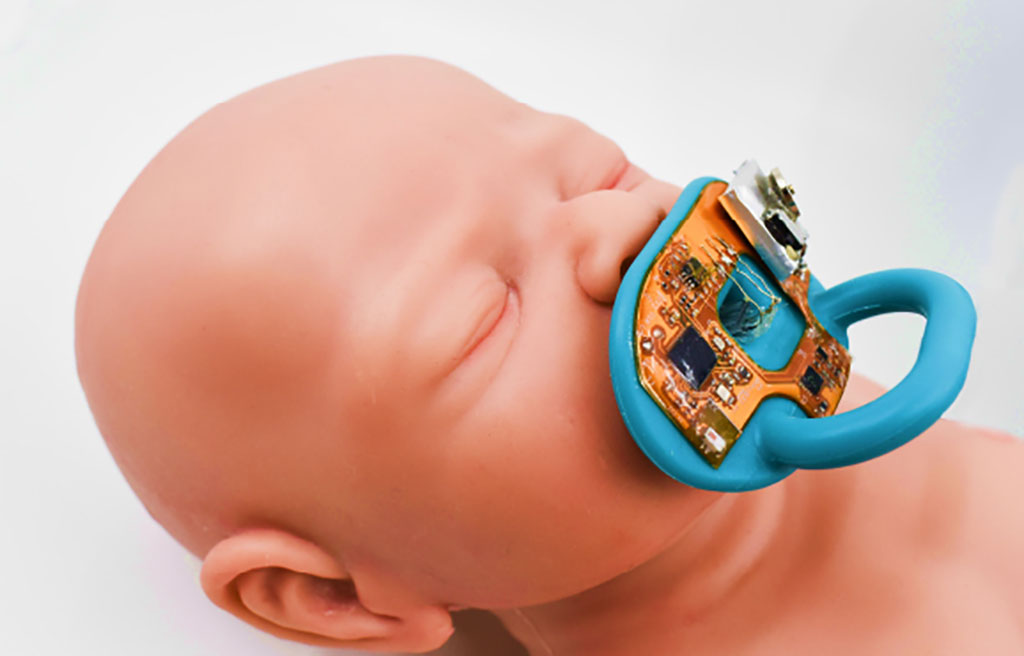
Babies in Newborn Intensive Care Units or NICUs have to bear twice-daily blood draws for monitoring of their electrolytes to help alert caregivers if the babies are dehydrated, which can be dangerous for infants, especially those born prematurely or with other health issues. The blood-draw method can be potentially painful for the infant, and it leaves big gaps in information since they are usually done once in the morning and once in the evening. Other methods have been developed to test an infants’ saliva for these electrolytes, but they involve bulky, rigid devices that require a separate sample collection. Now, a wireless, bioelectronic pacifier could eliminate the need for invasive, twice-daily blood draws to monitor babies’ electrolytes in NICUs.
The smart pacifier developed by researchers at the Washington State University (Pullman, WA, USA) can also provide more continuous monitoring of sodium and potassium ion levels. Using a common, commercially available pacifier, the researchers created a system that samples a baby’s saliva through microfluidic channels. Whenever the baby has the pacifier in their mouth, saliva is naturally attracted to these channels, so the device doesn’t require any kind of pumping system. The channels have small sensors inside that measure the sodium and potassium ion concentrations in the saliva. Then this data is relayed wirelessly using Bluetooth to the caregiver.
In a proof-of-concept study, the researchers tested the smart pacifier on a selection of infants in a hospital, and the results were comparable to data gained from their normal blood draws. For the next step of development, the research team plans to make the components more affordable and recyclable. Then, they will work to set up a larger test of the smart pacifier to establish its efficacy with the aim of making NICU treatment less disruptive for tiny patients.
“We know that premature babies have a better chance of survival if they get a high quality of care in the first month of birth,” said Jong-Hoon Kim, associate professor at the Washington State University School of Engineering and Computer Science and a co-corresponding author on the study. “Normally, in a hospital environment, they draw blood from the baby twice a day, so they just get two data points. This device is a non-invasive way to provide real-time monitoring of the electrolyte concentration of babies.”
“You often see NICU pictures where babies are hooked up to a bunch of wires to check their health conditions such as their heart rate, the respiratory rate, body temperature, and blood pressure,” added Kim. “We want to get rid of those wires.”
Related Links:
Washington State University





Latest Critical Care News
- Noninvasive Monitoring Device Enables Earlier Intervention in Heart Failure
- Automated IV Labeling Solution Improves Infusion Safety and Efficiency
- First-Of-Its-Kind AI Tool Detects Pulmonary Hypertension from Standard ECGs
- 4D Digital Twin Heart Model Improves CRT Outcomes
- AI Turns Glucose Data Into Actionable Insights for Diabetes Care
- Microscale Wireless Implant Tracks Brain Activity Over Time
- Smart Mask Delivers Continuous, Battery-Free Breath Monitoring
- Routine Blood Pressure Readings May Identify Risk of Future Cognitive Decline
- CGM-Based Algorithm Enhances Insulin Dose Adjustment in Type 2 Diabetes
- Fish Scale–Based Implants Offer New Approach to Corneal Repair
- Dual-Function Wound Patch Combines Infection Sensing and Treatment
- Smartwatch Signals and Blood Tests Team Up for Early Warning on Insulin Resistance
- Smart Fabric Technology Aims to Prevent Pressure Injuries in Hospital Care
- Standardized Treatment Algorithm Improves Blood Pressure Control
- Combined Infection Control Strategy Limits Drug-Resistant Outbreak in NICU
- AI Helps Predict Which Heart-Failure Patients Will Worsen Within a Year
Channels
Artificial Intelligence
view channel
AI Analysis of Pericardial Fat Refines Long-Term Heart Disease Risk
Accurately identifying long-term cardiovascular disease risk in asymptomatic adults remains challenging for clinicians. Missed or underestimated risk delays preventive therapy and increases the chance... Read more
Machine Learning Approach Enhances Liver Cancer Risk Stratification
Hepatocellular carcinoma, the most common form of primary liver cancer, is often detected late despite targeted surveillance programs. Current screening guidelines emphasize patients with known cirrhosis,... Read more

Surgical Techniques
view channel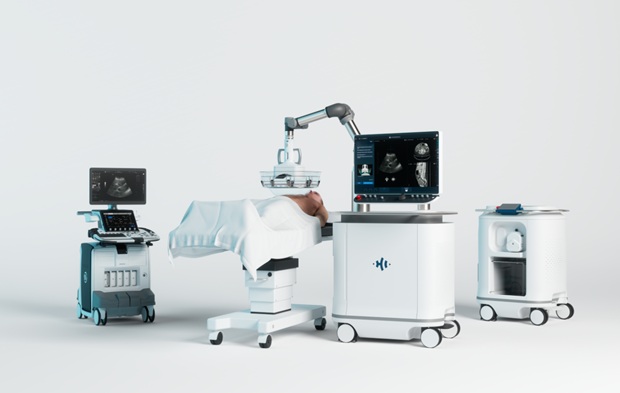
Ultrasound Technology Aims to Replace Invasive BPH Procedures
Benign prostatic hyperplasia (BPH) is a frequent cause of lower urinary tract symptoms in aging men and often requires invasive procedures or prolonged recovery. With prevalence expected to rise as populations... Read more
Continuous Monitoring with Wearables Enhances Postoperative Patient Safety
Postoperative hypoxemia on general surgical wards is common and often missed by intermittent vital sign checks. Undetected low oxygen levels can delay recovery and raise the risk of complications that... Read more

Patient Care
view channel
Wearable Sleep Data Predict Adherence to Pulmonary Rehabilitation
Chronic obstructive pulmonary disease (COPD) is a long-term lung disorder that makes breathing difficult and often disturbs sleep, reducing energy for daily activities. Limited engagement in pulmonary... Read more
Revolutionary Automatic IV-Line Flushing Device to Enhance Infusion Care
More than 80% of in-hospital patients receive intravenous (IV) therapy. Every dose of IV medicine delivered in a small volume (<250 mL) infusion bag should be followed by subsequent flushing to ensure... Read more

Health IT
view channel
EMR-Based Tool Predicts Graft Failure After Kidney Transplant
Kidney transplantation offers patients with end-stage kidney disease longer survival and better quality of life than dialysis, yet graft failure remains a major challenge. Although a successful transplant... Read more
Printable Molecule-Selective Nanoparticles Enable Mass Production of Wearable Biosensors
The future of medicine is likely to focus on the personalization of healthcare—understanding exactly what an individual requires and delivering the appropriate combination of nutrients, metabolites, and... Read more


Business
view channel
GE HealthCare Leads Major European Initiative to Advance Cardio-Oncology Care
Cardiovascular complications are increasingly recognized among people undergoing or recovering from cancer treatment, driven by pre‑existing disease and the cardiotoxic effects of chemotherapy, radiotherapy,... Read more

