Novel Surface Treatment Stops Microbes from Adhering to Medical Devices
|
By HospiMedica International staff writers Posted on 23 May 2022 |


|

Hospitals and medical clinics can be the source of nasty infections, resulting in death from infection-related complications and billions in direct medical costs. The biggest culprits, experts say - accounting for two-thirds of these infections - are medical devices like catheters, stents, heart valves and pacemakers, whose surfaces often become covered with harmful bacterial films. Now, a novel surface treatment developed by scientists could help improve the safety of these devices and ease the economic burden on health care systems.
The new approach developed by a team of scientists at UCLA (Los Angeles, CA, USA) and tested in both laboratory and clinical settings, involves depositing a thin layer of what is known as zwitterionic material on the surface of a device and permanently binding that layer to the underlying substrate using ultraviolet light irradiation. The resulting barrier prevents bacteria and other potentially harmful organic materials from adhering to the surface and causing infection. In the laboratory, researchers applied the surface treatment to several commonly used medical device materials, then tested the modified materials’ resistance to various types of bacteria, fungi and proteins. They found that the treatment reduced biofilm growth by more than 80% - and in some cases up 93%, depending on the microbial strain.
The clinical research by the UCLA scientists involved 16 long-term urinary catheter users who switched to silicone catheters with the new zwitterionic surface treatment. Catheter-related urinary tract problems are illustrative of the issues plaguing other medical devices, which, once inserted or implanted, can become breeding grounds for bacteria and harmful biofilm growth. The pathogenic cells pumped out by these highly resilient biofilms then cause recurring infections in the body. In response, medical staff routinely adminster strong antibiotics to patients using these devices, a short-term fix that poses a longer-term risk of creating life-threatening, antibiotic-resistant “superbug” infections. The more widely and frequently antibiotics are prescribed, the more likely bacteria are to develop resistance to them.
Ten of the patients described their urinary tract condition using the surface-treated catheter as “much better” or “very much better,” and 13 chose to continue using the new catheter over conventional latex and silicone options after the study period ended. The surface treatment’s zwitterion polymers are known to be extremely biocompatible, and they absorb water very tightly, forming a thin hydration barrier that prevents bacteria, fungi and other organic materials from adhering to surfaces. The technology is highly effective, non-toxic and relatively low in cost compared with other current surface treatments for medical devices, like antibiotic- or silver-infused coatings. Beyond its use in medical devices, the surface treatment technique could have non-medical applications, potentially extending the lifetimes of water-treatment devices and improving lithium-ion battery performance.
“The beauty of this technology is that it can prevent or minimize the growth of biofilm without the use of antibiotics. It protects patients using medical devices - and therefore protects all of us - against microbial resistance and the proliferation of superbugs,” said Richard Kaner, UCLA’s Dr. Myung Ki Hong Professor of Materials Innovation and senior author of the research.
Related Links:
UCLA





Latest Surgical Techniques News
- Near-Infrared Exoscope Enables Real-Time Perfusion Assessment and Lymphatic Mapping in Open Surgery
- Expandable Lumbar Fusion System Gains FDA 510(k) Clearance
- 3D Map of Heart Electrical Wiring Aims to Guide Congenital Heart Repair
- New CAR T-Cell Therapy Enables Transplants in Hard-to-Match Kidney Patients
- CE-Marked Ultrasonic Shears Streamline Breast and Thyroid Surgery
- Small Cryoprobe Outperforms Forceps in Lung Biopsy Trial
- Natural Bypass Score May Guide Care in Chronic Coronary Blockages
- Navigation Instruments Cleared for Posterior Cervical Fusion Procedures
- Bioengineered Heart Patch Improves Cardiac Function in Advanced Heart Failure
- Fracture Plating System Combines Anatomical Fit with Streamlined Instrumentation
- Surgical Robotic System Gains CE Mark for Minimally Invasive Procedures
- Pink Noise Stimulation Approach Could Support Safer Anesthesia
- BD Launches Elyra Laser Platform for Kidney Stone and Soft Tissue Procedures
- Anesthesia-Sparing System Targets Faster Ureteral Stone Treatment
- Stretchable Bioelectronic Implant Lowers Blood Pressure in Preclinical Study
- FDA-Cleared Nerve Stimulator Advances Intraoperative Peripheral Nerve Assessment
Channels
Artificial Intelligence
view channel
AI Platform Supports Noninvasive Remote Hemodynamic Monitoring in Heart Failure
Heart failure remains a leading cause of hospitalization in adults over 65, affecting more than 6.7 million people in the U.S. Clinicians often lose visibility into hemodynamic deterioration once patients... Read more
AI Tool Predicts Unplanned Care and Symptom Burden in Cancer Survivors
Unplanned emergency visits and hospitalizations remain common in cancer survivorship, when routine clinical contact often tapers while new symptoms emerge. These events reflect unmet needs and disrupt... Read more

Critical Care
view channel
Home Blood Pressure Telemonitoring Linked to Fewer Cardiovascular Events
Hypertension is a leading cause of myocardial infarction and stroke, yet it often progresses without symptoms. Uncontrolled blood pressure contributes to avoidable hospitalizations, deaths, and health system burden.... Read more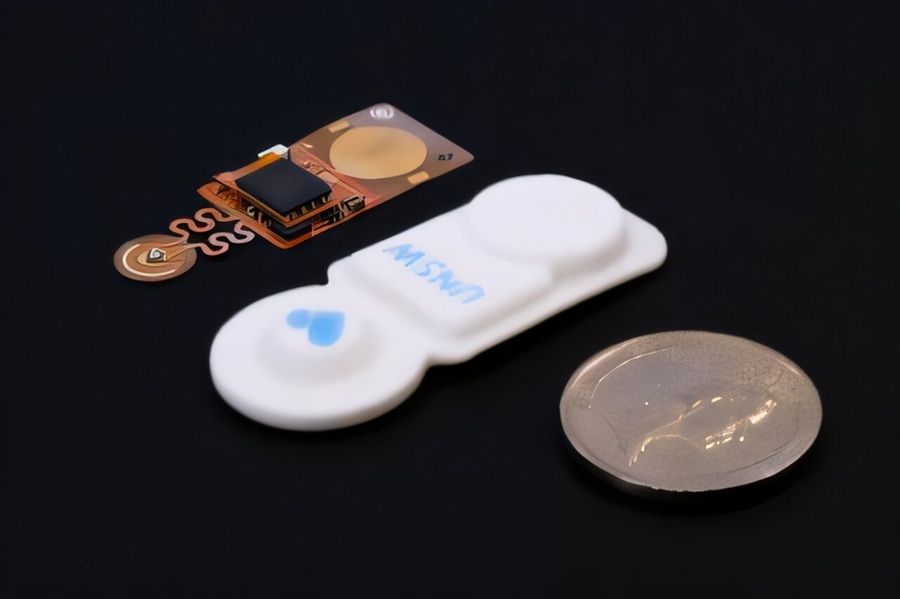
Tiny Wearable Patch Tracks Heart and Respiratory Changes at Home
Auscultation and cardiorespiratory monitoring are typically limited to brief, clinic-based assessments. These intermittent checks can miss evolving abnormalities and place added burden on patients who... Read more

Patient Care
view channel
AI Avatar Doctor Improves Patient Understanding Before Radiotherapy
Radiation oncology consultations require patients to grasp complex concepts quickly, yet anxiety and information overload often undermine understanding and informed consent. Poor comprehension can also... Read more
Wearable Sleep Data Predict Adherence to Pulmonary Rehabilitation
Chronic obstructive pulmonary disease (COPD) is a long-term lung disorder that makes breathing difficult and often disturbs sleep, reducing energy for daily activities. Limited engagement in pulmonary... Read more

Health IT
view channel
AI Tool Screens for Primary Aldosteronism Using Routine EHR Data
Primary aldosteronism, an adrenal disorder that causes excess aldosterone and secondary hypertension, is frequently missed despite its association with cardiovascular complications. Underdiagnosis can... Read more
AI-Enabled ECG Software Predicts One-Year Atrial Fibrillation Risk
Atrial fibrillation (AF) is the most common cardiac arrhythmia and is associated with increased risks of stroke, heart failure, and death. Detection remains challenging because AF is often asymptomatic... Read more

Point of Care
view channel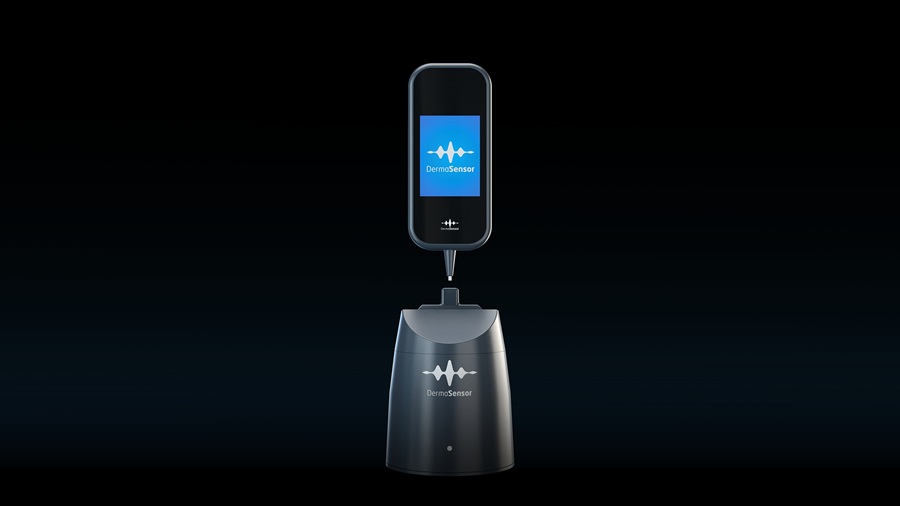
Handheld AI Device for Point-of-Care Skin Lesion Assessment Receives CE Mark
DermaSensor (Miami, FL, USA) has received a Class IIb CE Mark for its handheld DermaSensor device, marking the start of the company’s global expansion strategy. The certification demonstrates conformity... Read more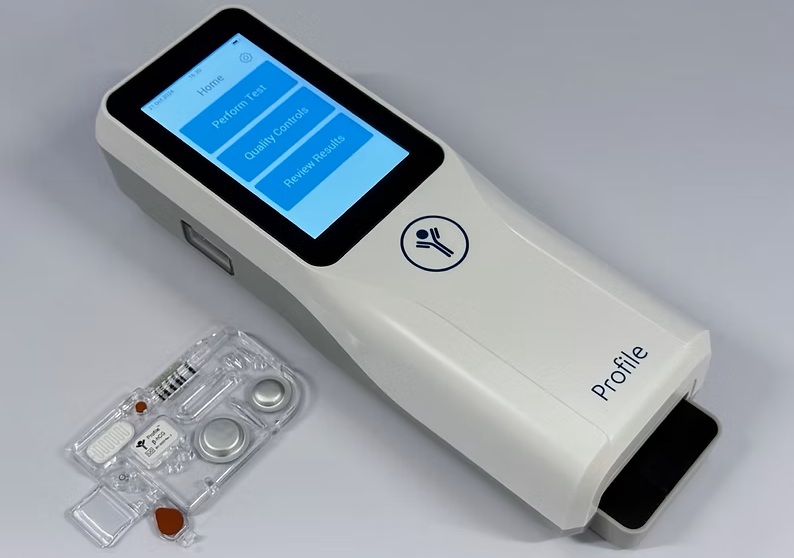
Portable Immunoassay System Advances Toward Point-of-Care Biomarker Testing
Proxim Diagnostics Corp. (Santa Clara, CA, USA) has announced that its Profile System, a handheld point-of-care immunoassay platform, has completed development. The milestone includes completion... Read more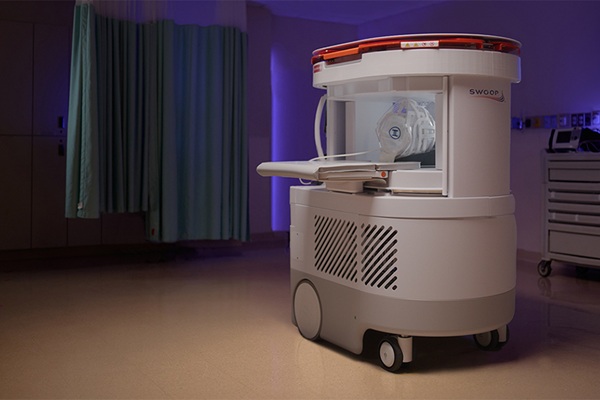
Portable MRI System Accelerates Emergency Brain Imaging and Triage
Emergency departments frequently face delays accessing conventional magnetic resonance imaging (MRI) for patients with suspected neurological emergencies. Such waits can slow triage, prolong boarding,... Read more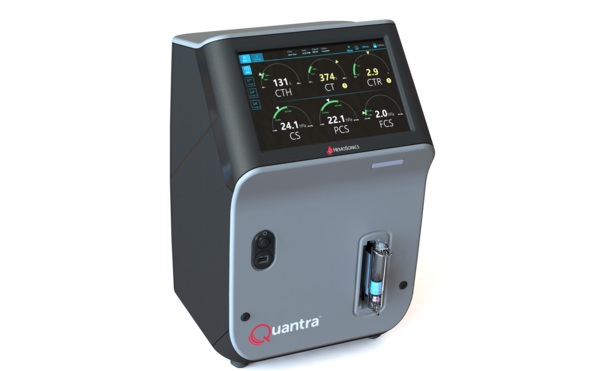
Point-of-Care Viscoelastic Testing System Supports Obstetric Bleeding Management
HemoSonics (Durham, NC, USA) announced on May 5, 2026 that the company's Quantra Hemostasis System for Obstetric Procedures won Silver in the 2026 Edison Awards in the Women’s Health and Reproductive Innovations... Read moreBusiness
view channel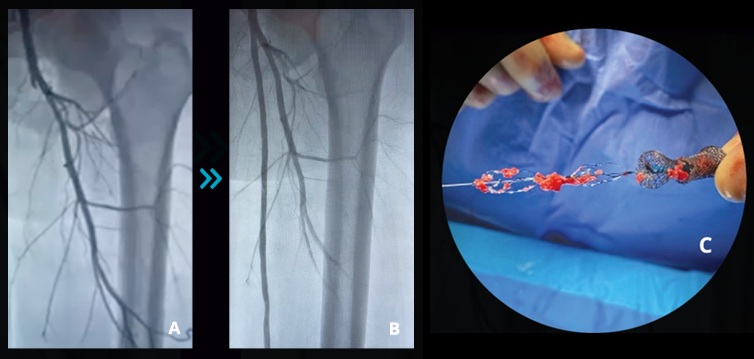
Endologix Adds FDA-Cleared Peripheral Thrombectomy System
Endologix (Santa Rosa, CA, USA) has acquired the Pounce Thrombectomy System from Surmodics, with the transaction closing on May 18, 2026. The FDA-cleared system is indicated for the non-surgical removal... Read more