






Robotic Surgery Lowers Risk for Hip Replacement Complications, Finds Study
|
By HospiMedica International staff writers Posted on 22 Jun 2022 |


|
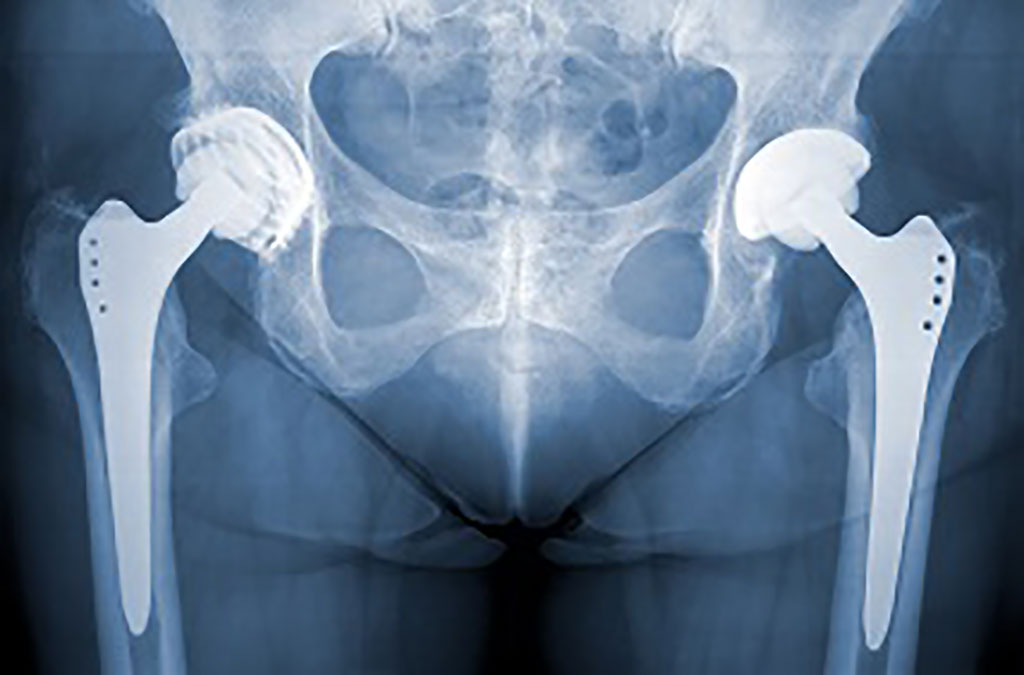
Hip replacement surgery has shown to be a safe and effective procedure for relieving pain, increasing motion and returning patients to their normal activities. However, dislocation is a common post-surgical complication of hip replacement that occurs when the new implant comes out of the socket during the healing process. A dislocation may occur when the implant is not placed in the best position among other causes, leading to instability. Most dislocations occur within first few months of surgery and often are caused when a patient falls or engages in extreme ranges of motion like twisting or bending. Now, a new study has found that robotic-assisted surgery for hip replacement had lower rates of complications and a dislocation rate nearly four times less than the traditional method.
The findings of the study by researchers at Henry Ford Health (Detroit, MI, USA) are believed to be the first from a large series of patients with several years of follow-up to evaluate post-surgical complications between the two surgical options, adding to the growing body of research in the hip replacement field. Current research comparing outcomes between the two procedures is limited.
In their retrospective study, the researchers analyzed data of 2,247 patients who underwent hip replacement surgery between January 2014 and June 2020 for several years after surgery. They sought to evaluate and compare dislocation rates and other complications post-surgery between the two procedures. The study found that the risk for hip instability when the procedure was performed robotically was 3.5 times less than the traditional method when controlling for gender, race, age, prior spine surgery and other accepted factors that can contribute to instability.
The robotic approach can benefit patients with their recovery. The robotic arm allows for more control with the surgical tools and a TV screen allows surgeons to see the bone anatomy and preparation in real time. Robotic technology allows the surgeon to control and move surgical instruments precisely and has been shown to improve the accuracy for positioning the implant. The approach uses 3D imaging prior to surgery to pinpoint important markers in the hip for prepping the bone for the implant. Using a robotic surgical arm and the 3D technology, it assists the surgeon guiding the implant into place after shaping the bone and balancing the ligaments to ensure an ideal fit.
“Patients, in consultation with their joint replacement surgeon, should decide which surgical option is best for them. Robotic surgery for hip replacement surgery continues to evolve and more larger studies are needed to better define the advantages,” said Jason Davis, M.D., a Henry Ford joint replacement surgeon and the study’s senior author, who also cautioned patients not to interpret the results as robotic surgery being superior to the tried-and-true traditional method.
Related Links:
Henry Ford Health






Latest Surgical Techniques News
- Fiber-Form Bone Graft Expands Intraoperative Options for Spinal Fusion
- Ultrasound‑Aided Catheter Treatment Cuts Early Collapse in Pulmonary Embolism
- Ultrasound Technology Aims to Replace Invasive BPH Procedures
- Continuous Monitoring with Wearables Enhances Postoperative Patient Safety
- New Approach Enables Customized Muscle Tissue Without Biomaterial Scaffolds
- Robot-Assisted Brain Angiography Improves Procedural Outcomes
- Brain Mapping Technology Enhances Precision in Brain Tumor Resection
- Handheld Robotic System Expands Options for Total Knee Surgery
- VR Experience Reduces Patient Anxiety Before Kidney Stone Procedure
- Injectable Mini Livers Offer Hope for Patients Awaiting Transplant
- Pulsed Field Ablation Technology Cleared in Europe for Persistent AFib
- AI-Powered Imaging Brings Real-Time Margin Clarity to Breast Cancer Surgery
- Minimally Invasive Device Safely Treats Challenging Brain Aneurysms
- Surgical Robot Makes Complex Liver Tumor Surgery Safer and Less Invasive
- Neurostimulation Implant Reduces Seizure Burden in Drug-Resistant Epilepsy
- Minimally Invasive Procedure Effectively Treats Small Kidney Cancers
Channels
Artificial Intelligence
view channel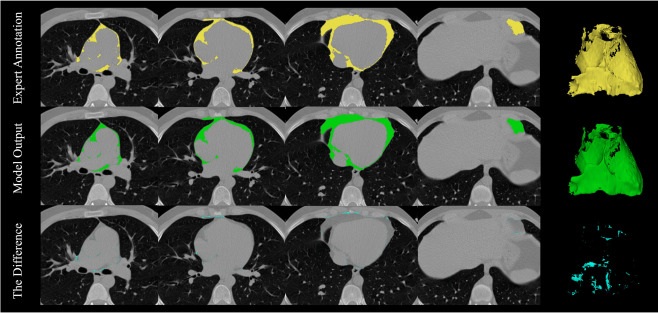
AI Analysis of Pericardial Fat Refines Long-Term Heart Disease Risk
Accurately identifying long-term cardiovascular disease risk in asymptomatic adults remains challenging for clinicians. Missed or underestimated risk delays preventive therapy and increases the chance... Read more
Machine Learning Approach Enhances Liver Cancer Risk Stratification
Hepatocellular carcinoma, the most common form of primary liver cancer, is often detected late despite targeted surveillance programs. Current screening guidelines emphasize patients with known cirrhosis,... Read more

Critical Care
view channel
Eye Imaging AI Identifies Elevated Cardiovascular Risk
Many adults at risk for atherosclerotic cardiovascular disease are not identified until they undergo formal primary care assessment. Delayed risk recognition can postpone initiation of statins and lifestyle... Read more
Noninvasive Monitoring Device Enables Earlier Intervention in Heart Failure
Hospitalizations for heart failure with preserved ejection fraction (HFpEF) remain common because lung congestion often worsens before symptoms prompt treatment changes. Missed early decompensation... Read more

Patient Care
view channel
Wearable Sleep Data Predict Adherence to Pulmonary Rehabilitation
Chronic obstructive pulmonary disease (COPD) is a long-term lung disorder that makes breathing difficult and often disturbs sleep, reducing energy for daily activities. Limited engagement in pulmonary... Read more
Revolutionary Automatic IV-Line Flushing Device to Enhance Infusion Care
More than 80% of in-hospital patients receive intravenous (IV) therapy. Every dose of IV medicine delivered in a small volume (<250 mL) infusion bag should be followed by subsequent flushing to ensure... Read more

Health IT
view channel
Voice-Driven AI System Enables Structured GI Procedure Documentation
Documentation during gastrointestinal (GI) procedures often competes with real-time clinical decision-making and imposes a significant cognitive burden on physicians. Manual data entry and post-procedure... Read more
EMR-Based Tool Predicts Graft Failure After Kidney Transplant
Kidney transplantation offers patients with end-stage kidney disease longer survival and better quality of life than dialysis, yet graft failure remains a major challenge. Although a successful transplant... Read more
Printable Molecule-Selective Nanoparticles Enable Mass Production of Wearable Biosensors
The future of medicine is likely to focus on the personalization of healthcare—understanding exactly what an individual requires and delivering the appropriate combination of nutrients, metabolites, and... Read more

Business
view channel
GE HealthCare Leads Major European Initiative to Advance Cardio-Oncology Care
Cardiovascular complications are increasingly recognized among people undergoing or recovering from cancer treatment, driven by pre‑existing disease and the cardiotoxic effects of chemotherapy, radiotherapy,... Read more

