AI Tool Automatically Identifies Fractures on X-Rays Within Seconds
|
By HospiMedica International staff writers Posted on 05 Jul 2022 |


|
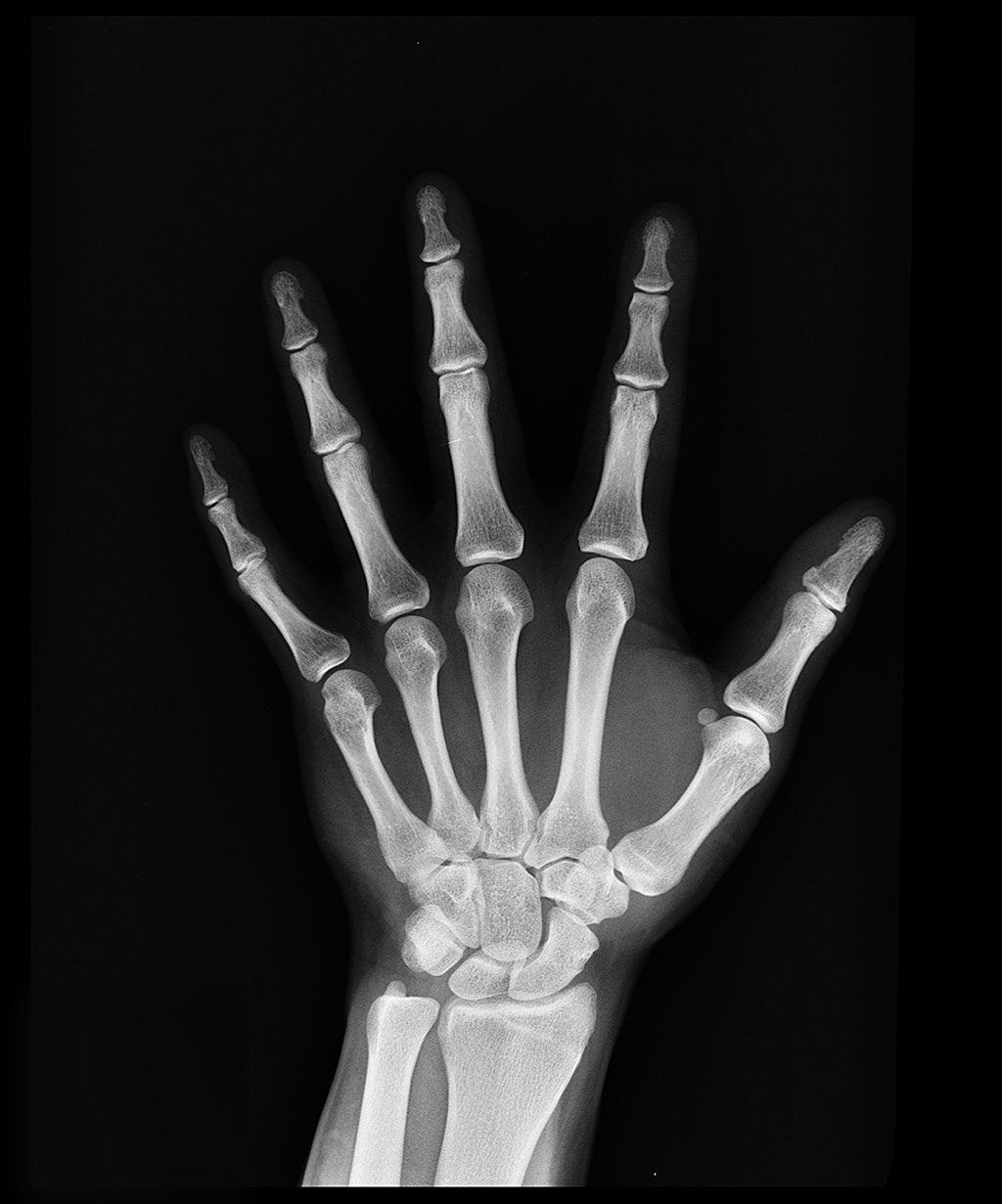
Fractures occur in up to 6,000 per 100,000 population. Emergency medical imaging is an important subspecialty within radiology that helps doctors in emergency departments (EDs) to diagnose and treat fractures. However, missed fractures account for the majority of errors in EDs and cost health systems millions of dollars each year in litigation fees. Now, a new medical imaging artificial intelligence (AI) solution can quickly identify hip fracture cases that need urgent attention in order to prevent patients from developing limb and life threatening conditions, such as avascular necrosis (AVNs). This allows emergency care staff to better identify where to prioritize their resources to have maximum impact, especially in an environment where every moment counts.
RBfracture from Radiobotics (Copenhagen, Denmark) is a new AI tool that assists doctors in EDs in detecting fractures in trauma patients. RBfracture can also add value by assisting emergency care staff as an extra pair of eyes, aiding in detecting if the patient has suffered a fracture. A recent study showed that RBfracture can improve the diagnostic accuracy of emergency healthcare professionals when reviewing hip fracture X-rays. Based on advanced computer vision and state-of-the-art machine learning methods, RBfracture has been trained on more than 100.000 X-rays from 1,300 different facilities in the U.S. and Europe. It is built on the same innovative AI technology used by the company for developing its other tools for MSK X-rays. RBfracture covers the entire appendicular skeleton and can reduce errors, minimize costs, reduce time and improve treatment of patients. RBfracture has been CE-marked under MDR (European Medical Device Regulations) as a class IIa medical device.
“We have already shown that emergency doctors find almost 50% more of the hip fractures that would otherwise have been missed when using RBfracture, thus enabling a faster diagnosis for a critical group of patients,” said Michael Lundemann, Clinical Director at Radiobotics. “I am thrilled that RBfracture is now certified against the high European standards on medical devices, demonstrating the necessary quality and safety. This is going to benefit many patients throughout Europe.”
Related Links:
Radiobotics





Latest Medical Imaging News
- Amyloid and Tau PET Guide Selection and Monitoring of Alzheimer’s Therapy
- MRI Tool Analysis Identifies Vascular Differences in Cerebral Small Vessel Disease
- Privacy-Preserving Learning Model Adapts Adult Radiology AI for Neonatal Care
- Public Chest CT Dataset Supports Explainable AI in Diagnostic Radiology
- PSMA PET/CT-Guided Biopsy Improves Detection of Significant Prostate Cancer After Nondiagnostic MRI
- AI Software Detects Osteoporosis from Routine CT Scans
- AI Model Uses Pretreatment CT Scans to Predict Immunotherapy-Related Pneumonitis Risk
- MRI-Based Test Speeds Multiple Sclerosis Diagnosis and Reduces Lumbar Punctures
- AI Tool Improves Early Detection of Silicosis and Black Lung on X-Rays
- New MRI Approach Captures Rapidly Decaying Tissue Signals
- AI Tool Integrates MRI and Ultrasound to Detect Endometriosis
- New MRI Index Reveals How Brain Blood Flow Supports Cellular Energy Needs
- Structure-Aware AI Aims to Improve Reliability of Medical Image Analysis
- PSMA PET/CT Helps Guide Pre-Biopsy Decisions in Prostate Cancer
- AI Models Evaluated for Spotting Ischemic Stroke Lesions on Routine MRI
- Noninvasive MRI Spectroscopy Classifies Pediatric Medulloblastoma Molecular Subgroups
Channels
Artificial Intelligence
view channel
Optical Imaging System Helps Predict Chemotherapy Response in Cancer
Selecting chemotherapy can be difficult because tumors from different patients may respond differently to the same drug. Testing treatment effects directly on living tumor tissue could help clinicians... Read more
AI Tool Predicts Long-Term Cardiovascular Risk from Sleep Study ECG
Sleep disorders such as insomnia and obstructive sleep apnea are established cardiovascular risk factors and are commonly evaluated with overnight polysomnography. These studies routinely record electrocardiogram... Read more
Predictive Model Supports Growth Hormone Treatment Planning in Idiopathic Short Stature
Idiopathic short stature (ISS) describes children whose height is substantially below the expected range for age and sex without an identifiable medical cause. Recombinant growth hormone therapy can support... Read more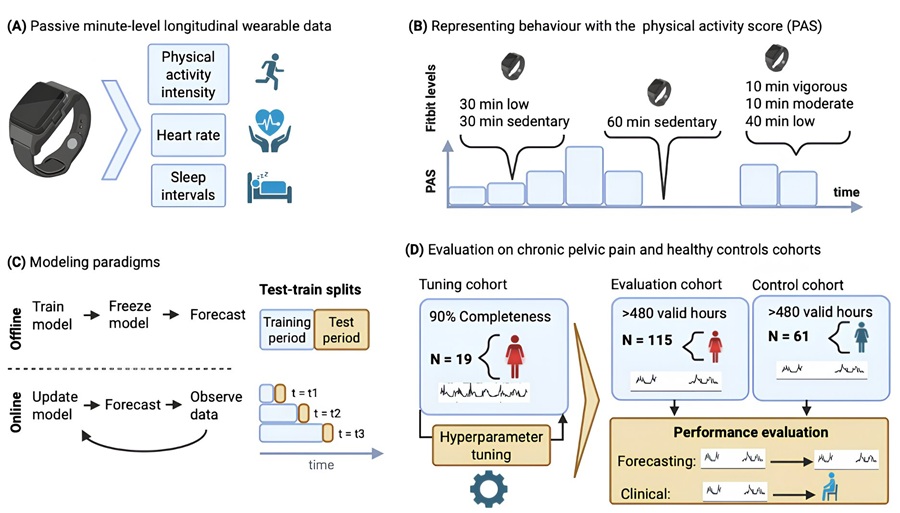
Critical Care
view channel
Proposed Risk Score Prioritizes Sickest Patients for Heart Transplant
Donor hearts remain extremely scarce in the U.S. transplant system, with one in five candidates dying or being removed from the waiting list before receiving an organ. Current allocation rules may also... Read more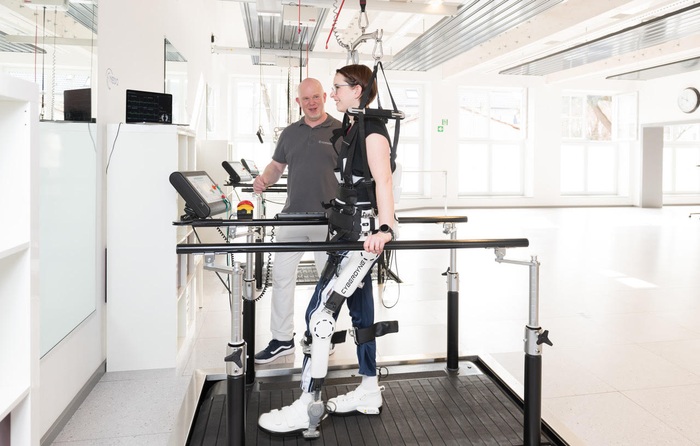
Wearable Robotic Gait Training Linked to Improved Walking Distance in ALS
Amyotrophic lateral sclerosis (ALS) is a progressive neuromuscular disease that damages nerve cells controlling voluntary muscles. As the disease advances, patients can lose the ability to walk, speak,... Read more
Surgical Techniques
view channel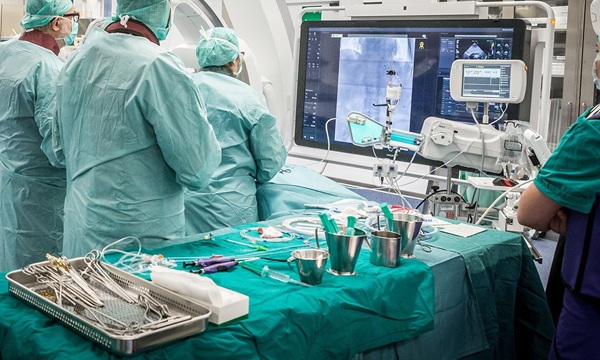
New Surgical Technique Enlarges Aortic Root for Larger Valve Implantation
When replacing a diseased aortic valve, a small aortic root can prevent surgeons from implanting a prosthesis large enough for the patient’s body size. This can lead to patient-prosthesis mismatch, causing... Read more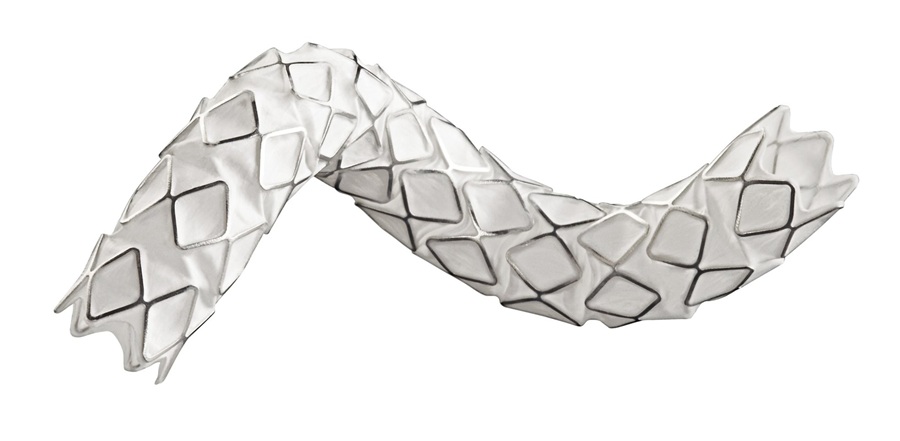
FDA Approval Expands Bridging Stent Use in Complex Aortic Aneurysm Repair
Complex aortic aneurysms are increasingly treated with fenestrated and branched endovascular aortic repair, which rely on bridging stents to maintain blood flow to visceral arteries. These complex procedures... Read more
Patient Care
view channel
AI Platform Personalizes Support Between Visits for Cancer Survivors
Cancer survivors often manage persistent side effects after treatment, including fatigue, anxiety, uncertainty, symptoms, stress, and questions between appointments. Clinical teams need ways to maintain... Read more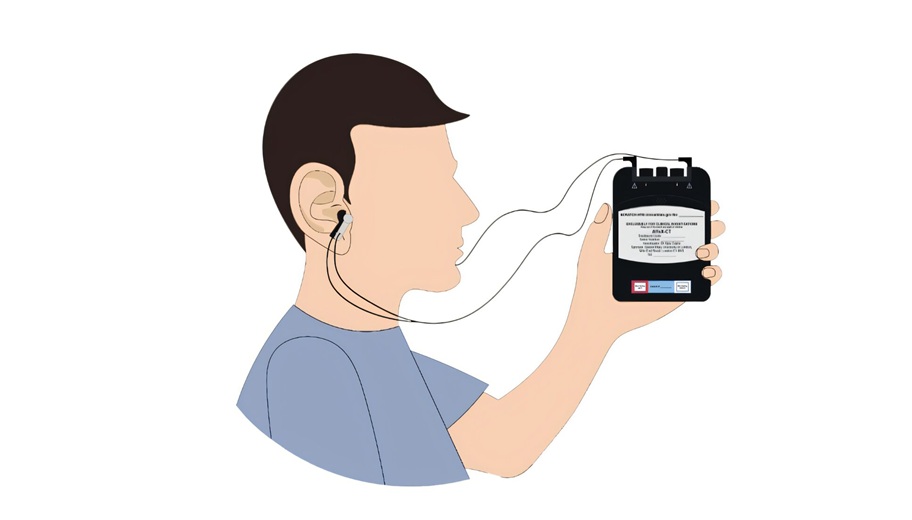
At-Home Neuromodulation Shows Promise in Selected Patients With Hypertension
High blood pressure is a major risk factor for cardiovascular disease, including heart attack and stroke. Many patients receiving treatment for hypertension still remain above recommended blood pressure... Read more
EHR Model Flags High-Risk Periods in Patients with Metastatic Breast Cancer
Determining when patients with metastatic breast cancer are nearing the end of life remains difficult, often leading to intensive interventions with limited benefit. Prognostic uncertainty can delay goals-of-care... Read more
Health IT
view channel
EHR Alerts Support Dosing, Sedation, and Shock Recognition in Cardiac Care
Electronic health record alerts can add to clinician workload when they are poorly targeted. In critical cardiac care, however, delayed decisions can affect treatment timing, sedation exposure, and escalation... Read more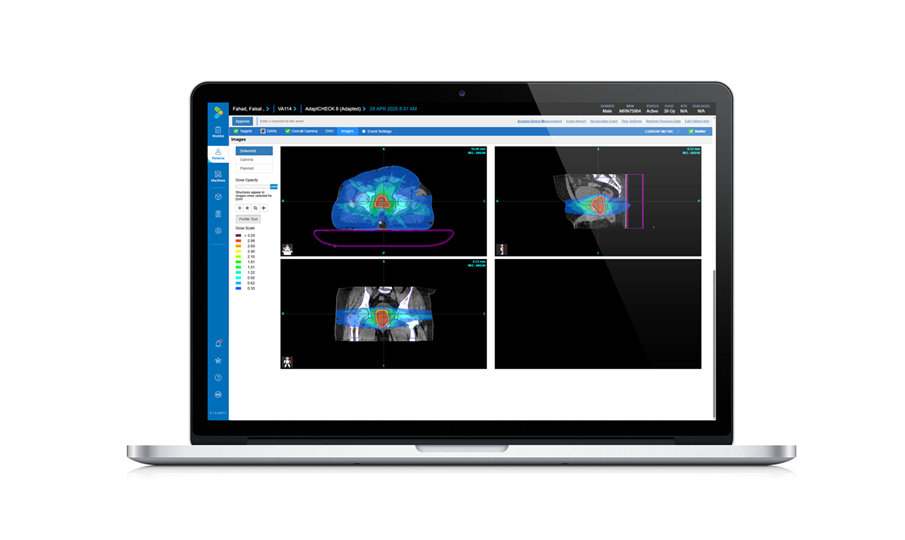
Adaptive Radiation QA Software Gains Validation for NeoArc Treatments
Adaptive radiation therapy allows clinicians to adjust treatment plans to daily anatomical changes such as tumor shrinkage, weight loss, or organ movement, improving precision while limiting exposure to... Read more

Point of Care
view channel
Continuous Glucose Monitoring Identifies Cardiometabolic Risk in Adults Without Diabetes
Dysglycemia—abnormal blood glucose regulation—can fluctuate throughout the day and often escape conventional screening. Clinicians typically rely on fasting plasma glucose and hemoglobin A1c, which offer... Read more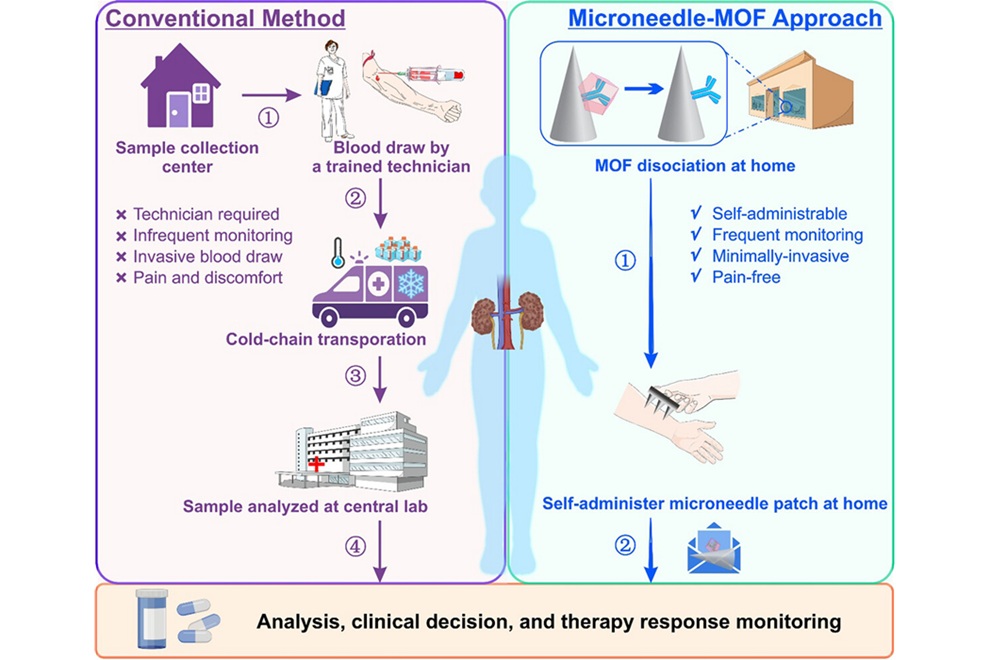
Microneedle Patch Enables At-Home Monitoring of Acute Kidney Injury
Kidney disease is often silent in its early stages, making timely detection difficult outside clinical settings. Early biomarkers such as neutrophil gelatinase–associated lipocalin can require blood draws... Read more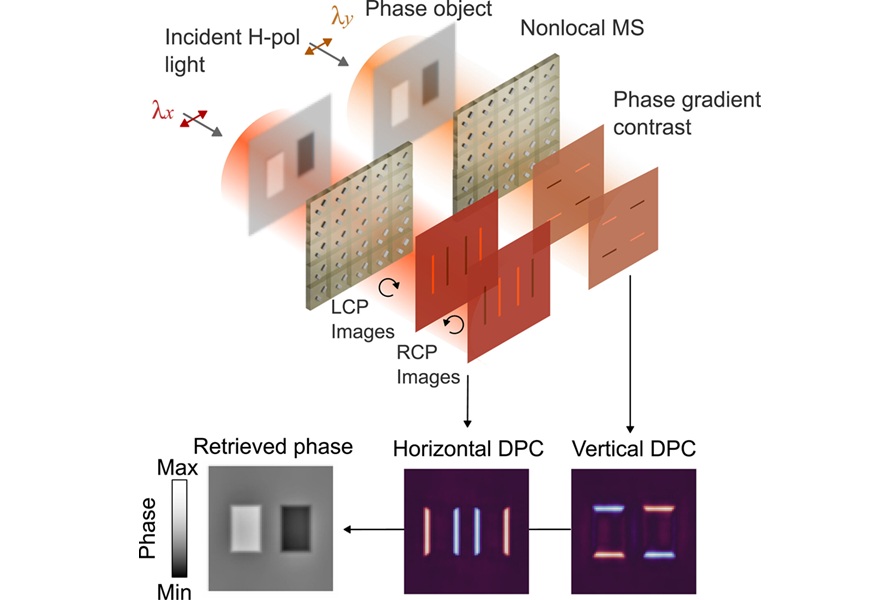
Business
view channel
Steris to Expand Surgical Safety Portfolio With $2.1 Billion Xodus Medical Deal
Steris has signed a definitive agreement to acquire Xodus Medical, a specialty surgical products business based in Pennsylvania, for $2.1 billion at closing. The acquisition will expand Steris’s healthcare... Read more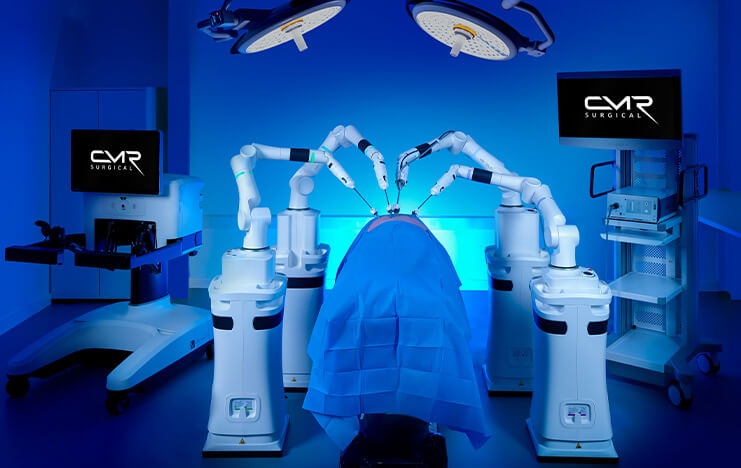
Stryker Enters Soft-Tissue Robotics Through Strategic Alliance With CMR Surgical
Stryker (Portage, MI, USA) and CMR Surgical (Cambridge, UK) have announced a strategic alliance centered on the Versius Surgical Robotic portfolio. The agreement includes an approximately USD 400 million... Read more
Terumo Neuro Acquisition Advances Liquid Embolic Technology for Chronic Subdural Hematoma
Terumo Neuro (Aliso Viejo, CA, USA) signed an agreement to acquire Arsenal Medical Inc. (Waltham, MA, USA), a privately held, clinical-stage biomaterials company. The proposed acquisition would add NeoCast,... Read more