






MRI Techniques Can Predict Future Sudden Cardiac Death
|
By HospiMedica International staff writers Posted on 19 Jul 2022 |


|
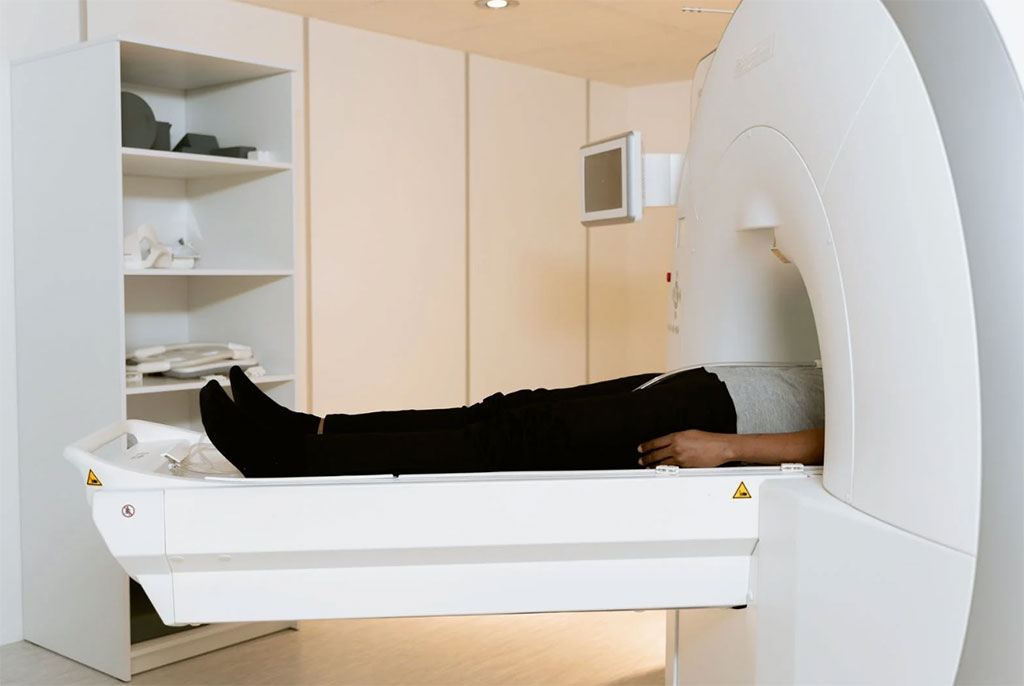
Sudden cardiac death (SCD) accounts for 50% of all cardiovascular deaths in the US, claiming more than 300,000 American lives annually, according to the American Heart Association. Currently, an implantable cardioverter-defibrillator (ICD) - a small, battery-powered device placed in the chest to detect and stop irregular heart rhythms - is the primary means of preventing SCD in high-risk patients. The device continuously monitors the heart rhythm and delivers electric shocks, when needed, to restore a regular heart rhythm. The battery life of an ICD is typically between five to seven years. Now, a new study has found that adults with abnormal heart metabolism are up to three times more likely to experience life-threatening arrhythmias (an irregular heart rhythm), and magnetic resonance imaging (MRI) techniques could be used to detect the condition and predict future SCD.
In the small, but rigorous study, researchers at the Johns Hopkins University School of Medicine (Baltimore, MD, USA) measured the levels of adenosine triphosphate (ATP), the primary chemical cellular energy source, in the hearts of 46 people prior to getting an ICD for primary prevention. The cardiac ATP levels were measured on clinical MRI scanners using a magnetic resonance spectroscopy (MRS) technique developed at Johns Hopkins Medicine, to determine which patients had abnormal ATP metabolism. All patients were followed up every three to six months for an average of 10 years to determine which patients had appropriate ICD firings for life-threatening arrhythmias.
Results showed that people with low cardiac ATP levels (impaired metabolism) had a three-fold higher risk of sudden cardiac death (if not saved by ICD intervention) compared to those with normal ATP metabolism. This was still the case when adjusted for low left ventricular ejection fraction, the metric currently used to determine the need for a primary prevention ICD. The researchers say the study findings could complement current approaches and lead to better predictions for who is most likely to need, or not need an ICD. However, they stress, that more studies are needed to assess different and larger populations.
“We believe this is the first time that impaired cardiac metabolism in people has been linked to an increased risk of life-threatening arrhythmias or sudden cardiac death,” said study senior author Robert Weiss, M.D., professor of medicine at the Johns Hopkins University School of Medicine. “This could open a window for a whole new approach, a metabolic approach for treating or preventing severe arrhythmias, which is something that is not currently available in cardiology.”
“Over seven years, 60-70% of these devices never discharge to save a life,” added T. Jake Samuel, Ph.D., first author of the study and fellow in cardiology at Johns Hopkins Medicine. “We’re spending billions of dollars a year on ICDs that are implanted and have procedural and post-procedural risks. There is a need for non-invasive approaches to better assess risk for who needs or doesn’t need an ICD to prevent sudden cardiac death in people.”
Related Links:
Johns Hopkins University School of Medicine





Latest MRI News
Channels
Artificial Intelligence
view channel
Machine Learning Approach Enhances Liver Cancer Risk Stratification
Hepatocellular carcinoma, the most common form of primary liver cancer, is often detected late despite targeted surveillance programs. Current screening guidelines emphasize patients with known cirrhosis,... Read more
New AI Approach Monitors Brain Health Using Passive Wearable Data
Brain health spans cognitive and emotional functions and can fluctuate even in adults without diagnosed disease. Detecting early changes remains difficult in routine care and burdens specialty services... Read more

Critical Care
view channel
Automated IV Labeling Solution Improves Infusion Safety and Efficiency
Medication administration in high-acuity settings is often complicated by multiple concurrent infusions, making accurate line identification essential. In a 10-hospital intensive care unit study, 60% of... Read more
First-Of-Its-Kind AI Tool Detects Pulmonary Hypertension from Standard ECGs
Pulmonary hypertension is a progressive, life‑threatening disease that is frequently missed early because symptoms such as dyspnea are nonspecific and diagnostic delays can exceed two years.... Read more
Surgical Techniques
view channel
Continuous Monitoring with Wearables Enhances Postoperative Patient Safety
Postoperative hypoxemia on general surgical wards is common and often missed by intermittent vital sign checks. Undetected low oxygen levels can delay recovery and raise the risk of complications that... Read more
New Approach Enables Customized Muscle Tissue Without Biomaterial Scaffolds
Volumetric muscle loss is a traumatic loss of skeletal muscle that often leads to permanent functional impairment and limited reconstructive options. Current experimental strategies struggle to deliver... Read more
Patient Care
view channel
Wearable Sleep Data Predict Adherence to Pulmonary Rehabilitation
Chronic obstructive pulmonary disease (COPD) is a long-term lung disorder that makes breathing difficult and often disturbs sleep, reducing energy for daily activities. Limited engagement in pulmonary... Read more
Revolutionary Automatic IV-Line Flushing Device to Enhance Infusion Care
More than 80% of in-hospital patients receive intravenous (IV) therapy. Every dose of IV medicine delivered in a small volume (<250 mL) infusion bag should be followed by subsequent flushing to ensure... Read more

Health IT
view channel
EMR-Based Tool Predicts Graft Failure After Kidney Transplant
Kidney transplantation offers patients with end-stage kidney disease longer survival and better quality of life than dialysis, yet graft failure remains a major challenge. Although a successful transplant... Read more
Printable Molecule-Selective Nanoparticles Enable Mass Production of Wearable Biosensors
The future of medicine is likely to focus on the personalization of healthcare—understanding exactly what an individual requires and delivering the appropriate combination of nutrients, metabolites, and... Read more


Business
view channel
GE HealthCare Leads Major European Initiative to Advance Cardio-Oncology Care
Cardiovascular complications are increasingly recognized among people undergoing or recovering from cancer treatment, driven by pre‑existing disease and the cardiotoxic effects of chemotherapy, radiotherapy,... Read more

