






Injectable Gel Can Help Patients with Brain Tumor Recover After Surgery
|
By HospiMedica International staff writers Posted on 09 Aug 2022 |


|
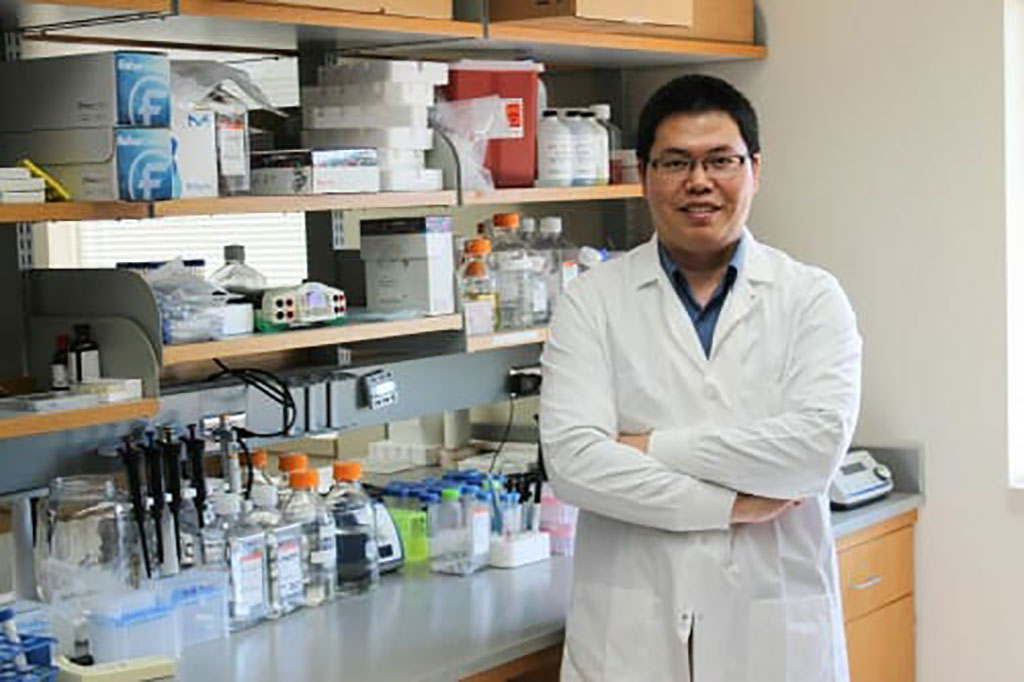
Like the hardiest weed, glioblastoma almost always springs back - usually within months after a patient’s initial brain tumor is surgically removed. That is why survival rates for this cancer are just 25% at one year and plummet to 5% by the five-year mark. One of the challenges of treating this disease is that surgeons can’t always remove every bit of tumor or glioma stem cells that might linger in the brain. Now, a powerful immunity-boosting postoperative treatment could transform the odds for patients with glioblastoma.
A key characteristic of glioblastoma is the aggressive nature of the tumor cells that infiltrate the surrounding tissues. As a result of this, surgeons are unable to clearly feel the boundaries between the tumor and normal tissue. The surgeons cannot remove as much as possible because all the tissues in the brain are vital. Hence, the tumor comes back again, sharply decreasing the survival rate after treatment. Now, scientists at the University of Wisconsin–Madison (Madison, WI, USA) have developed a hydrogel that can be injected into the brain cavity left behind by the excised tumor. The hydrogel delivery method works well because it completely fills the brain cavity, slowly releases the medicine into the surrounding tissue, and promotes the cancer-killing immune response.
The hydrogel is packed with nanoparticles designed to enter and reprogram certain types of immune cells called macrophages. These immune cells normally clean up infectious invaders in the body, but in the tumor environment, they can change into a form that instead suppresses the immune system and promotes cancer growth. And because of the inflammation created by surgery, these rogue macrophages flock to the surgical site, potentially fueling cancer relapse.
The nanoparticles can engineer the macrophages to target a glycoprotein called CD133, a marker for cancer stem cells. The researchers also added an antibody, CD47, that blocks a “don’t-eat-me” signal to promote macrophages to recognize the cancer cells. The preclinical results in mice models show that the hydrogel treatment successfully generated glioma stem cell-specific chimeric antigen receptor (CAR) macrophages - essentially engineering the immune cells on site to target and kill any lingering glioma stem cells.
If effective in humans, the hydrogel treatment could eliminate the need for postsurgical chemotherapy or radiation, reducing toxic side effects while also improving patient outcomes. The next step is testing the hydrogel in larger animal models and also monitoring long-term efficacy and toxicity beyond the four- to six-month period he previously studied. While the researchers initially focused on glioblastoma, the treatment approach could also be applied to other aggressive solid tumors, including breast cancer.
“It provides hope for preventing glioblastoma relapse,” said Quanyin Hu, an assistant professor in the University of Wisconsin–Madison School of Pharmacy’s Pharmaceutical Sciences Division. “We prove that it can actually eradicate these glioma stem cells, which can eventually prevent the glioblastoma from coming back. We can significantly improve survival.”
“We have a lot of work to do before it can be potentially translated into the clinic, but we feel confident that this is a very promising approach for bringing new hope to patients with glioblastoma so they can recover after surgery,” added Hu. “We hope we can do our work to be able to advance this technology to the clinic.”
Related Links:
University of Wisconsin–Madison





Latest Critical Care News
- Automated IV Labeling Solution Improves Infusion Safety and Efficiency
- First-Of-Its-Kind AI Tool Detects Pulmonary Hypertension from Standard ECGs
- 4D Digital Twin Heart Model Improves CRT Outcomes
- AI Turns Glucose Data Into Actionable Insights for Diabetes Care
- Microscale Wireless Implant Tracks Brain Activity Over Time
- Smart Mask Delivers Continuous, Battery-Free Breath Monitoring
- Routine Blood Pressure Readings May Identify Risk of Future Cognitive Decline
- CGM-Based Algorithm Enhances Insulin Dose Adjustment in Type 2 Diabetes
- Fish Scale–Based Implants Offer New Approach to Corneal Repair
- Dual-Function Wound Patch Combines Infection Sensing and Treatment
- Smartwatch Signals and Blood Tests Team Up for Early Warning on Insulin Resistance
- Smart Fabric Technology Aims to Prevent Pressure Injuries in Hospital Care
- Standardized Treatment Algorithm Improves Blood Pressure Control
- Combined Infection Control Strategy Limits Drug-Resistant Outbreak in NICU
- AI Helps Predict Which Heart-Failure Patients Will Worsen Within a Year
- Algorithm Allows Paramedics to Predict Brain Damage Risk After Cardiac Arrest
Channels
Artificial Intelligence
view channel
Machine Learning Approach Enhances Liver Cancer Risk Stratification
Hepatocellular carcinoma, the most common form of primary liver cancer, is often detected late despite targeted surveillance programs. Current screening guidelines emphasize patients with known cirrhosis,... Read more
New AI Approach Monitors Brain Health Using Passive Wearable Data
Brain health spans cognitive and emotional functions and can fluctuate even in adults without diagnosed disease. Detecting early changes remains difficult in routine care and burdens specialty services... Read more
Surgical Techniques
view channel
Continuous Monitoring with Wearables Enhances Postoperative Patient Safety
Postoperative hypoxemia on general surgical wards is common and often missed by intermittent vital sign checks. Undetected low oxygen levels can delay recovery and raise the risk of complications that... Read more
New Approach Enables Customized Muscle Tissue Without Biomaterial Scaffolds
Volumetric muscle loss is a traumatic loss of skeletal muscle that often leads to permanent functional impairment and limited reconstructive options. Current experimental strategies struggle to deliver... Read more
Patient Care
view channel
Wearable Sleep Data Predict Adherence to Pulmonary Rehabilitation
Chronic obstructive pulmonary disease (COPD) is a long-term lung disorder that makes breathing difficult and often disturbs sleep, reducing energy for daily activities. Limited engagement in pulmonary... Read more
Revolutionary Automatic IV-Line Flushing Device to Enhance Infusion Care
More than 80% of in-hospital patients receive intravenous (IV) therapy. Every dose of IV medicine delivered in a small volume (<250 mL) infusion bag should be followed by subsequent flushing to ensure... Read more

Health IT
view channel
EMR-Based Tool Predicts Graft Failure After Kidney Transplant
Kidney transplantation offers patients with end-stage kidney disease longer survival and better quality of life than dialysis, yet graft failure remains a major challenge. Although a successful transplant... Read more
Printable Molecule-Selective Nanoparticles Enable Mass Production of Wearable Biosensors
The future of medicine is likely to focus on the personalization of healthcare—understanding exactly what an individual requires and delivering the appropriate combination of nutrients, metabolites, and... Read more


Business
view channel
GE HealthCare Leads Major European Initiative to Advance Cardio-Oncology Care
Cardiovascular complications are increasingly recognized among people undergoing or recovering from cancer treatment, driven by pre‑existing disease and the cardiotoxic effects of chemotherapy, radiotherapy,... Read more

