






AI Algorithm Identifies Lung Cancer on CT Scans within Seconds
|
By HospiMedica International staff writers Posted on 26 Aug 2022 |


|

Lung cancer, the most common cancer worldwide, is targeted with radiation therapy (RT) in nearly one-half of cases. RT planning is a manual, resource-intensive process that can take days to weeks to complete, and even highly trained physicians vary in their determinations of how much tissue to target with radiation. Furthermore, a shortage of radiation-oncology practitioners and clinics worldwide is expected to grow as cancer rates increase. Now, a newly developed and validated deep learning algorithm can identify and outline (segment) a non-small cell lung cancer (NSCLC) tumor on a computed tomography (CT) scan within seconds. Additionally, radiation oncologists using the algorithm in simulated clinics performed as well as physicians not using the algorithm, while working 65% more quickly.
Researchers at the Brigham and Women's Hospital (Boston, MA, USA) developed the deep learning algorithm by using CT images from 787 patients to train their model to distinguish tumors from other tissues. They tested the algorithm’s performance using scans from over 1,300 patients from increasingly external datasets. Developing and validating the algorithm involved close collaboration between data scientists and radiation oncologists. For example, when the researchers observed that the algorithm was incorrectly segmenting CT scans involving the lymph nodes, they retrained the model with more of these scans to improve its performance.
Finally, the researchers asked eight radiation oncologists to perform segmentation tasks as well as rate and edit segmentations produced by either another expert physician or the algorithm (they were not told which). There was no significant difference in performance between human-AI collaborations and human-produced (de novo) segmentations. Intriguingly, physicians worked 65% faster and with 32% less variation when editing an AI-produced segmentation compared to a manually produced one, even though they were unaware of which one they were editing. They also rated the quality of AI-drawn segmentations more highly than the human expert-drawn segmentations in this blinded study.
Going forward, the researchers plan to combine this work with AI models they designed previously that can identify “organs at risk” of receiving undesired radiation during cancer treatment (such as the heart) and thereby exclude them from radiotherapy. They are continuing to study how physicians interact with AI to ensure that AI-partnerships help, rather than harm, clinical practice, and are developing a second, independent segmentation algorithm that can verify both human and AI-drawn segmentations.
“The biggest translation gap in AI applications to medicine is the failure to study how to use AI to improve human clinicians, and vice versa,” said corresponding author Raymond Mak, MD, of the Brigham’s Department of Radiation Oncology. “We’re studying how to make human-AI partnerships and collaborations that result in better outcomes for patients. The benefits of this approach for patients include greater consistency in segmenting tumors and accelerated times to treatment. The clinician benefits include a reduction in mundane but difficult computer work, which can reduce burnout and increase the time they can spend with patients.”
“This study presents a novel evaluation strategy for AI models that emphasizes the importance of human-AI collaboration,” added co-author Hugo Aerts, PhD, of the Department of Radiation Oncology. “This is especially necessary because in silico (computer-modeled) evaluations can give different results than clinical evaluations. Our approach can help pave the way towards clinical deployment."






Latest AI News
- AI Analysis of Pericardial Fat Refines Long-Term Heart Disease Risk
- Machine Learning Approach Enhances Liver Cancer Risk Stratification
- New AI Approach Monitors Brain Health Using Passive Wearable Data
- AI Tool Maps Early Risk Patterns in Bloodstream Infections
- AI Model Identifies Rare Endocrine Disorder from Hand Images
- AI Tool Promises to Reduce Length of Hospital Stays and Free Up Beds
Channels
Artificial Intelligence
view channel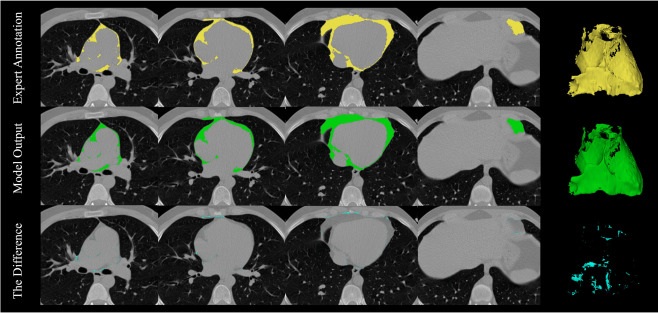
AI Analysis of Pericardial Fat Refines Long-Term Heart Disease Risk
Accurately identifying long-term cardiovascular disease risk in asymptomatic adults remains challenging for clinicians. Missed or underestimated risk delays preventive therapy and increases the chance... Read more
Machine Learning Approach Enhances Liver Cancer Risk Stratification
Hepatocellular carcinoma, the most common form of primary liver cancer, is often detected late despite targeted surveillance programs. Current screening guidelines emphasize patients with known cirrhosis,... Read more

Critical Care
view channel
Noninvasive Monitoring Device Enables Earlier Intervention in Heart Failure
Hospitalizations for heart failure with preserved ejection fraction (HFpEF) remain common because lung congestion often worsens before symptoms prompt treatment changes. Missed early decompensation... Read more
Automated IV Labeling Solution Improves Infusion Safety and Efficiency
Medication administration in high-acuity settings is often complicated by multiple concurrent infusions, making accurate line identification essential. In a 10-hospital intensive care unit study, 60% of... Read more

Surgical Techniques
view channel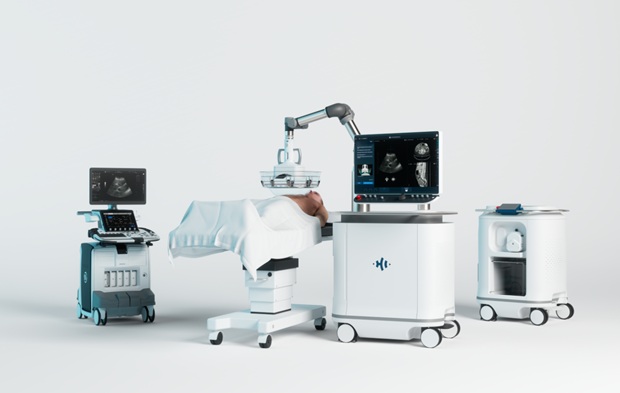
Ultrasound Technology Aims to Replace Invasive BPH Procedures
Benign prostatic hyperplasia (BPH) is a frequent cause of lower urinary tract symptoms in aging men and often requires invasive procedures or prolonged recovery. With prevalence expected to rise as populations... Read more
Continuous Monitoring with Wearables Enhances Postoperative Patient Safety
Postoperative hypoxemia on general surgical wards is common and often missed by intermittent vital sign checks. Undetected low oxygen levels can delay recovery and raise the risk of complications that... Read more
Patient Care
view channel
Wearable Sleep Data Predict Adherence to Pulmonary Rehabilitation
Chronic obstructive pulmonary disease (COPD) is a long-term lung disorder that makes breathing difficult and often disturbs sleep, reducing energy for daily activities. Limited engagement in pulmonary... Read more
Revolutionary Automatic IV-Line Flushing Device to Enhance Infusion Care
More than 80% of in-hospital patients receive intravenous (IV) therapy. Every dose of IV medicine delivered in a small volume (<250 mL) infusion bag should be followed by subsequent flushing to ensure... Read more

Health IT
view channel
EMR-Based Tool Predicts Graft Failure After Kidney Transplant
Kidney transplantation offers patients with end-stage kidney disease longer survival and better quality of life than dialysis, yet graft failure remains a major challenge. Although a successful transplant... Read more
Printable Molecule-Selective Nanoparticles Enable Mass Production of Wearable Biosensors
The future of medicine is likely to focus on the personalization of healthcare—understanding exactly what an individual requires and delivering the appropriate combination of nutrients, metabolites, and... Read more


Business
view channel
GE HealthCare Leads Major European Initiative to Advance Cardio-Oncology Care
Cardiovascular complications are increasingly recognized among people undergoing or recovering from cancer treatment, driven by pre‑existing disease and the cardiotoxic effects of chemotherapy, radiotherapy,... Read more

