AI-Aided Interpretation of Chest X-Ray Improves Reader Performance and Efficiency
|
By HospiMedica International staff writers Posted on 03 Sep 2022 |


|

There has been an increasing interest, with the rise of deep learning and artificial intelligence (AI) applications in medical imaging, to create chest radiograph AI algorithms that can help clinicians to accurately and efficiently detect key radiographic findings. Research shows that AI algorithms can improve the performance of readers when used in a concurrent manner. However, there are concerns about what the impact of AI would be in the real world, given that most research was conducted in a simulated setting without an observer performance tool that mimics the real-world workflow. There is also a lack of evidence on the impact of AI in the reader efficiency, especially in terms of time taken for readers to complete their reports. Now, a new study that explored the impact of AI on reader performance, both in terms of accuracy and efficiency, found that an AI algorithm can improve the reader performance and efficiency in interpreting chest radiograph abnormalities.
Researchers at the Massachusetts General Hospital (Boston, MA, USA) conducted a multicenter cohort study from April to November 2021 that involved radiologists, including attending radiologists, thoracic radiology fellows, and residents, who independently participated in two observer performance test sessions. The study involved a total of 497 frontal chest radiographs from adult patients with and without four target findings (pneumonia, nodule, pneumothorax, and pleural effusion). A commercially available AI algorithm (Lunit INSIGHT CXR, version 3.1.2.0) was used to process the chest radiograph images. The sessions included a reading session with AI and a session without AI, in a randomized crossover manner with a four-week washout period in between. The AI produced a heat map and the image-level probability of the presence of the referable lesion.
The ground truths for the labels were created via consensual reading by two thoracic radiologists. Each reader documented their findings in a customized report template, in which the four target chest radiograph findings and the reader confidence of the presence of each finding was recorded. The time taken for reporting each chest radiograph was also recorded. Sensitivity, specificity, and area under the receiver operating characteristic curve (AUROC) were calculated for each target finding. The target findings were found in 351 of 497 chest radiographs. The AI was associated with higher sensitivity for all findings compared with the readers. AI-aided interpretation was associated with significantly improved reader sensitivities for all target findings, without negative impacts on the specificity. Overall, the AUROCs of readers improved for all four target findings, with significant improvements in detection of pneumothorax and nodule. The reporting time with AI was 10% lower than without AI.
In conclusion, the use of an AI algorithm was associated with an improved sensitivity for detection of four target chest radiograph findings (pneumonia, lung nodules, pleural effusion, and pneumothorax) for radiologists, thoracic imaging fellows as well as radiology residents, while maintaining the specificity. These findings suggest that an AI algorithm can improve the reader performance and efficiency in interpreting chest radiograph abnormalities.
Related Links:
Massachusetts General Hospital






Latest Radiography News
Channels

Critical Care
view channel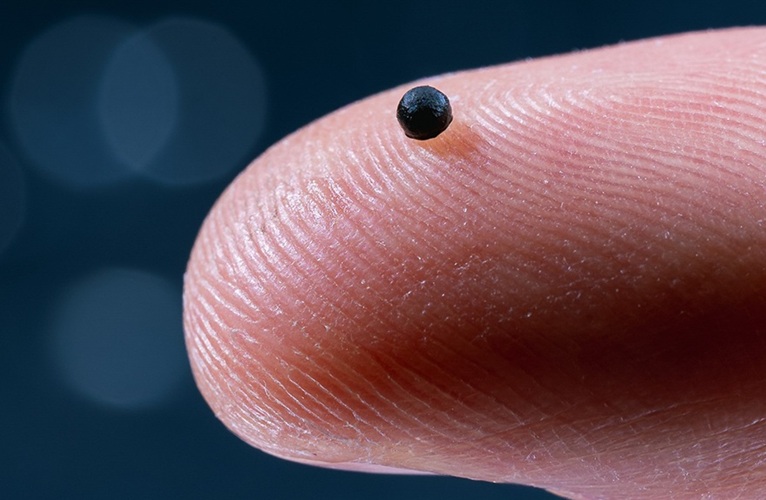
Magnetically Guided Microrobots to Enable Targeted Drug Delivery
Stroke affects 12 million people globally each year, often causing death or lasting disability. Current treatment relies on systemic administration of clot-dissolving drugs, which circulate throughout... Read more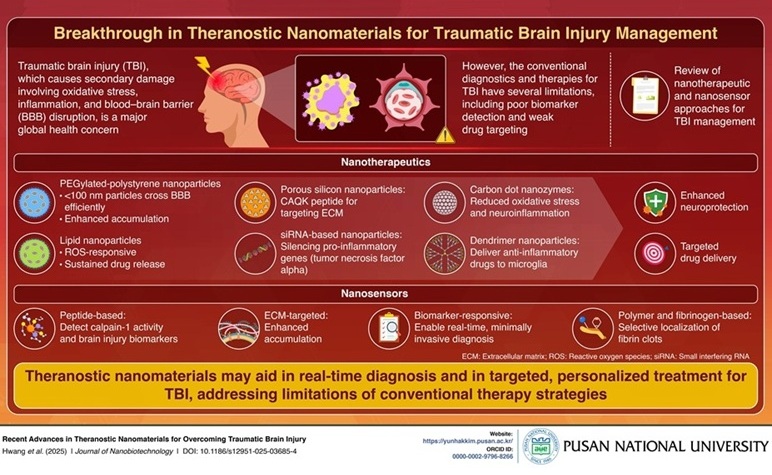
Smart Nanomaterials Detect and Treat Traumatic Brain Injuries Simultaneously
Traumatic brain injury (TBI) continues to leave millions with long-term disabilities every year. After a sudden impact from a fall, collision, or accident, the brain undergoes inflammation, oxidative stress,... Read more
Earlier Blood Transfusion Could Reduce Heart Failure and Arrhythmia in Heart Disease Patients
Blood loss during or after surgery can place significant stress on people with heart disease, increasing the risk of dangerous complications. Transfusions are often delayed until hemoglobin levels fall... Read more
Surgical Techniques
view channel
New Study Findings Could Halve Number of Stent Procedures
When a coronary artery becomes acutely blocked during a heart attack, opening it immediately is essential to prevent irreversible damage. However, many patients also have other narrowed vessels that appear... Read more
Breakthrough Surgical Device Redefines Hip Arthroscopy
Hip arthroscopy has surged in popularity, yet surgeons still face major mechanical constraints when navigating deep joint spaces through traditional cannulas. Limited tool mobility and the need for an... Read more
Patient Care
view channel
Revolutionary Automatic IV-Line Flushing Device to Enhance Infusion Care
More than 80% of in-hospital patients receive intravenous (IV) therapy. Every dose of IV medicine delivered in a small volume (<250 mL) infusion bag should be followed by subsequent flushing to ensure... Read more
VR Training Tool Combats Contamination of Portable Medical Equipment
Healthcare-associated infections (HAIs) impact one in every 31 patients, cause nearly 100,000 deaths each year, and cost USD 28.4 billion in direct medical expenses. Notably, up to 75% of these infections... Read more
Portable Biosensor Platform to Reduce Hospital-Acquired Infections
Approximately 4 million patients in the European Union acquire healthcare-associated infections (HAIs) or nosocomial infections each year, with around 37,000 deaths directly resulting from these infections,... Read more
First-Of-Its-Kind Portable Germicidal Light Technology Disinfects High-Touch Clinical Surfaces in Seconds
Reducing healthcare-acquired infections (HAIs) remains a pressing issue within global healthcare systems. In the United States alone, 1.7 million patients contract HAIs annually, leading to approximately... Read moreHealth IT
view channel
EMR-Based Tool Predicts Graft Failure After Kidney Transplant
Kidney transplantation offers patients with end-stage kidney disease longer survival and better quality of life than dialysis, yet graft failure remains a major challenge. Although a successful transplant... Read more
Printable Molecule-Selective Nanoparticles Enable Mass Production of Wearable Biosensors
The future of medicine is likely to focus on the personalization of healthcare—understanding exactly what an individual requires and delivering the appropriate combination of nutrients, metabolites, and... Read more

Business
view channel
Philips and Masimo Partner to Advance Patient Monitoring Measurement Technologies
Royal Philips (Amsterdam, Netherlands) and Masimo (Irvine, California, USA) have renewed their multi-year strategic collaboration, combining Philips’ expertise in patient monitoring with Masimo’s noninvasive... Read more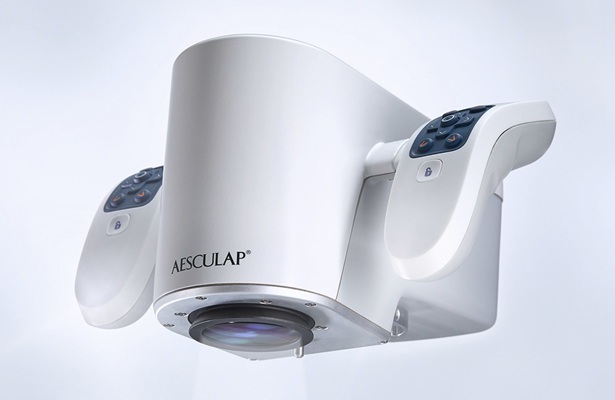
B. Braun Acquires Digital Microsurgery Company True Digital Surgery
The high-end microsurgery market in neurosurgery, spine, and ENT is undergoing a significant transformation. Traditional analog microscopes are giving way to digital exoscopes, which provide improved visualization,... Read more
CMEF 2025 to Promote Holistic and High-Quality Development of Medical and Health Industry
The 92nd China International Medical Equipment Fair (CMEF 2025) Autumn Exhibition is scheduled to be held from September 26 to 29 at the China Import and Export Fair Complex (Canton Fair Complex) in Guangzhou.... Read more