






New Endovascular Catheter Shows Unprecedented Ability to Treat Pulmonary Artery Obstruction
|
By HospiMedica International staff writers Posted on 20 Sep 2022 |


|
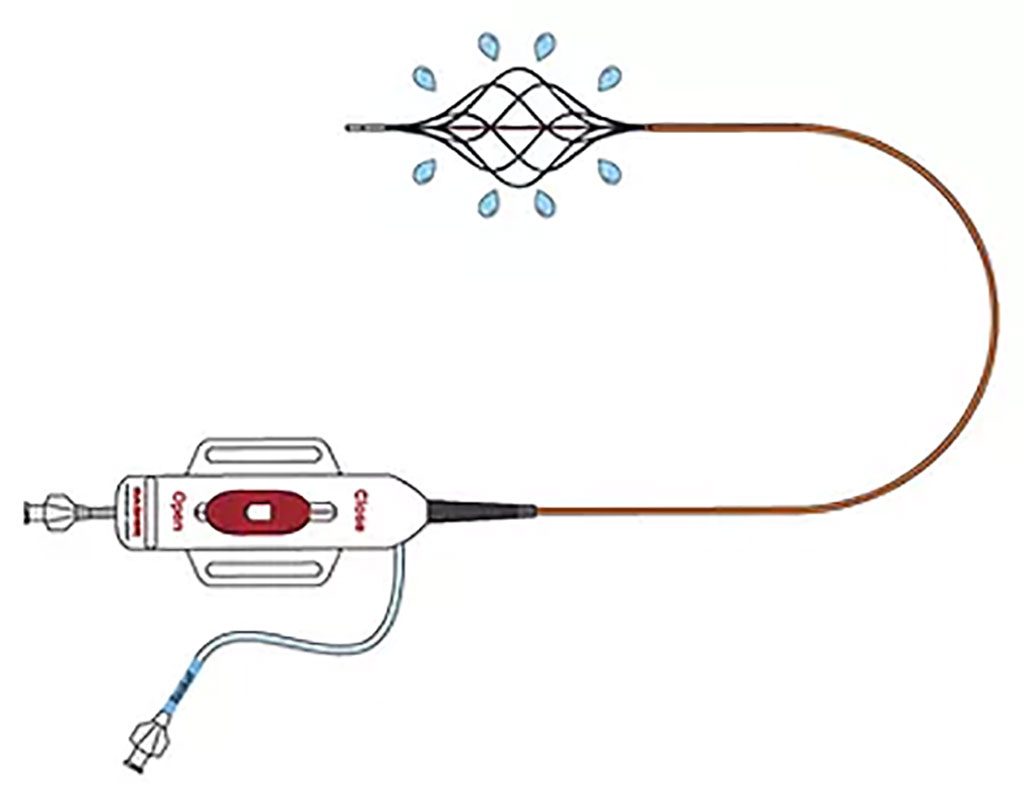
A breakthrough device significantly reduces the size of blood clots lodged in the pulmonary arteries, leading to improvement in heart function in patients with pulmonary embolism, according to findings of a clinical study.
The new device known as the BASHIR Endovascular Catheter was developed by researchers at the Lewis Katz School of Medicine at Temple University (Philadelphia, PA, USA) in association with THROMBOLEX, Inc. (New Britain, PA, USA). The BASHIR catheter is made of an expandable basket with mini-infusion catheters. Once placed inside a clot, the infusion basket expands, creating new channels in the clot and thereby increasing the surface area exposed to clot-dissolving drugs delivered through the catheters. The greater exposure area accelerates clot breakdown and the restoration of blood flow through the vessel. A key clinical feature of the BASHIR catheter is its ability to shorten treatment duration.
Evidence for the performance of the BASHIR catheter comes from data collected in the RESCUE trial, a clinical study designed to evaluate the safety and efficacy of the catheter as a novel therapy for pulmonary embolism. The magnitude of reduction in the size of clots obstructing the pulmonary artery in the RESCUE trial was significantly greater than reductions reported for therapies currently used in the treatment of pulmonary embolism. The BASHIR catheter was approved by the U.S. Food and Drug Administration (FDA) in 2019 for the treatment of blood clots in veins and arteries in the peripheral vasculature. THROMBOLEX now has FDA clearance on seven devices in the BASHIR family of catheters, all of which are currently in commercialization.
“For the first time, we are able to show that this treatment not only leads to a remarkable reduction in pulmonary artery obstruction in patients with pulmonary embolism but also is a very safe therapy,” said Riyaz Bashir, MD, FACC, Professor of Medicine, Director of Vascular and Endovascular Medicine in the Section of Cardiology Department of Medicine, at the Lewis Katz school of Medicine and Temple University Hospital, and co-inventor of the BASHIR Endovascular Catheter.
“With existing devices, treatment by infusion of clot-dissolving drugs can last as long as 10 hours,” explained Vladimir Lakhter, DO, Assistant Professor of Medicine at the Lewis Katz School of Medicine and an interventional cardiologist involved in the RESCUE trial. “With the BASHIR device, infusion lasts only five hours. Once the device is removed, we are able to see a dramatic decrease in strain on the heart, bringing significant relief for patients.”
Related Links:
Temple University
THROMBOLEX, Inc.





Latest Surgical Techniques News
- Ultrasound Technology Aims to Replace Invasive BPH Procedures
- Continuous Monitoring with Wearables Enhances Postoperative Patient Safety
- New Approach Enables Customized Muscle Tissue Without Biomaterial Scaffolds
- Robot-Assisted Brain Angiography Improves Procedural Outcomes
- Brain Mapping Technology Enhances Precision in Brain Tumor Resection
- Handheld Robotic System Expands Options for Total Knee Surgery
- VR Experience Reduces Patient Anxiety Before Kidney Stone Procedure
- Injectable Mini Livers Offer Hope for Patients Awaiting Transplant
- Pulsed Field Ablation Technology Cleared in Europe for Persistent AFib
- AI-Powered Imaging Brings Real-Time Margin Clarity to Breast Cancer Surgery
- Minimally Invasive Device Safely Treats Challenging Brain Aneurysms
- Surgical Robot Makes Complex Liver Tumor Surgery Safer and Less Invasive
- Neurostimulation Implant Reduces Seizure Burden in Drug-Resistant Epilepsy
- Minimally Invasive Procedure Effectively Treats Small Kidney Cancers
- Fluorescence Probe Paired with Engineered Enzymes Lights Up Tumors for Easier Surgical Removal
- Novel Hydrogel Could Become Bone Implant of the Future
Channels
Artificial Intelligence
view channel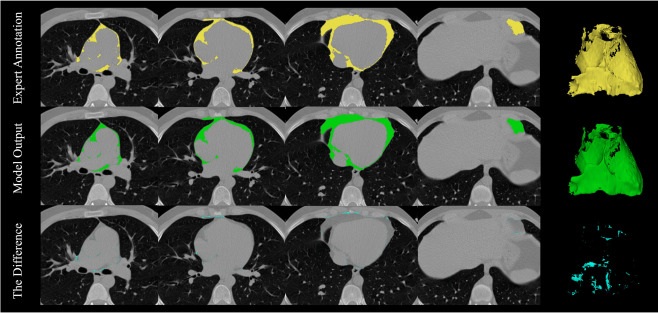
AI Analysis of Pericardial Fat Refines Long-Term Heart Disease Risk
Accurately identifying long-term cardiovascular disease risk in asymptomatic adults remains challenging for clinicians. Missed or underestimated risk delays preventive therapy and increases the chance... Read more
Machine Learning Approach Enhances Liver Cancer Risk Stratification
Hepatocellular carcinoma, the most common form of primary liver cancer, is often detected late despite targeted surveillance programs. Current screening guidelines emphasize patients with known cirrhosis,... Read more

Surgical Techniques
view channel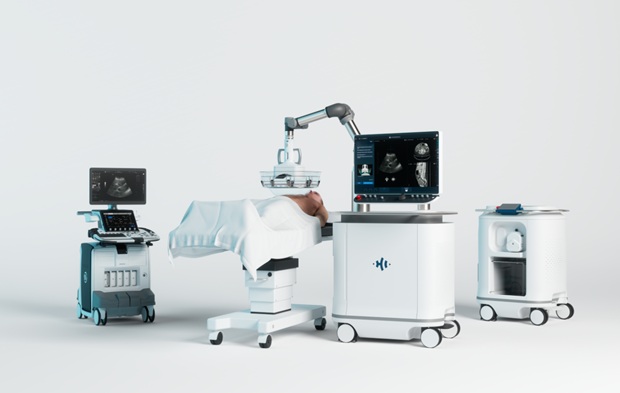
Ultrasound Technology Aims to Replace Invasive BPH Procedures
Benign prostatic hyperplasia (BPH) is a frequent cause of lower urinary tract symptoms in aging men and often requires invasive procedures or prolonged recovery. With prevalence expected to rise as populations... Read more
Continuous Monitoring with Wearables Enhances Postoperative Patient Safety
Postoperative hypoxemia on general surgical wards is common and often missed by intermittent vital sign checks. Undetected low oxygen levels can delay recovery and raise the risk of complications that... Read more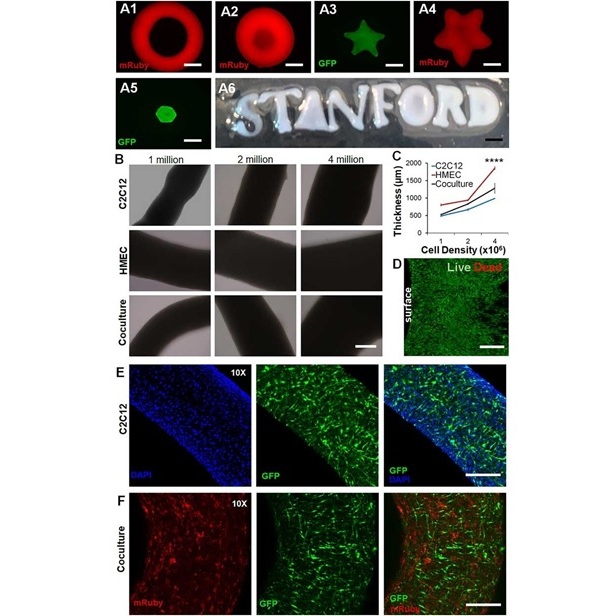
Patient Care
view channel
Wearable Sleep Data Predict Adherence to Pulmonary Rehabilitation
Chronic obstructive pulmonary disease (COPD) is a long-term lung disorder that makes breathing difficult and often disturbs sleep, reducing energy for daily activities. Limited engagement in pulmonary... Read more
Revolutionary Automatic IV-Line Flushing Device to Enhance Infusion Care
More than 80% of in-hospital patients receive intravenous (IV) therapy. Every dose of IV medicine delivered in a small volume (<250 mL) infusion bag should be followed by subsequent flushing to ensure... Read more

Health IT
view channel
EMR-Based Tool Predicts Graft Failure After Kidney Transplant
Kidney transplantation offers patients with end-stage kidney disease longer survival and better quality of life than dialysis, yet graft failure remains a major challenge. Although a successful transplant... Read more
Printable Molecule-Selective Nanoparticles Enable Mass Production of Wearable Biosensors
The future of medicine is likely to focus on the personalization of healthcare—understanding exactly what an individual requires and delivering the appropriate combination of nutrients, metabolites, and... Read more


Business
view channel
GE HealthCare Leads Major European Initiative to Advance Cardio-Oncology Care
Cardiovascular complications are increasingly recognized among people undergoing or recovering from cancer treatment, driven by pre‑existing disease and the cardiotoxic effects of chemotherapy, radiotherapy,... Read more

