One-Time Blood Test Predicts Which Hospitalized COVID-19 Patients Will Grow Worse
|
By HospiMedica International staff writers Posted on 28 Aug 2022 |


|
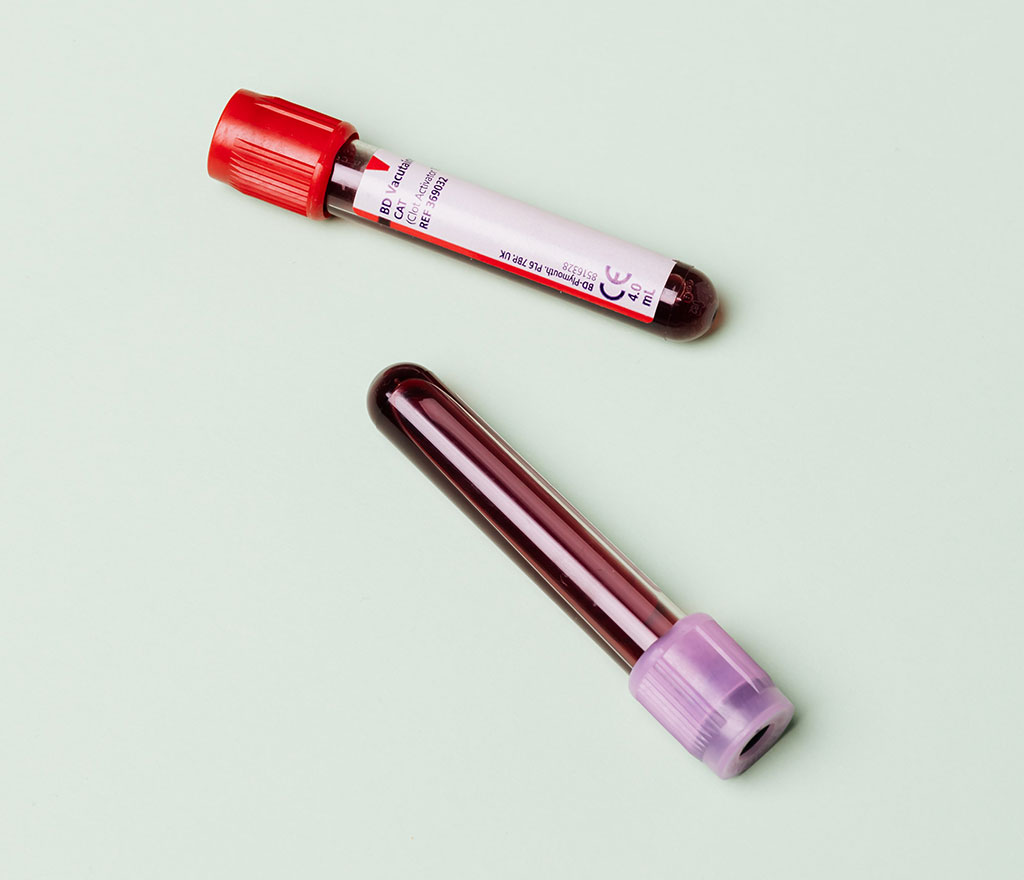
A one-time test could predict which people hospitalized with COVID-19 are likely to worsen significantly during their stay, even if they were admitted with relatively mild symptoms, according to a study of more than 2,500 people. The test measures patient blood levels of a protein on the virus that causes COVID-19. High levels of the protein correlated strongly with an increased need for respiratory support five days later, regardless of the patient’s disease severity when the test was conducted, the researchers found. People whose levels were high were also likely to be hospitalized significantly longer than those with lower levels.
The findings of the study by researchers at Stanford Medicine (Stanford, CA, USA) suggest that the virus may continue to replicate in a subset of hospitalized patients, and that those patients might benefit from antiviral treatments like monoclonal antibodies or remdesivir. Such antiviral treatments are now primarily used in outpatient settings after previous clinical trials showed they did not benefit hospitalized patients. Researchers at Stanford Medicine led an international group of investigators in analyzing the results of a large, multicenter clinical trial of antiviral therapies in hospitalized COVID-19 patients called the ACTIV-3, or TICO (therapeutics for inpatients with COVID-19) trial. The ACTIV-3 trial was designed to test five antiviral drugs versus a placebo in hospitalized COVID-19 patients. Rogers and her colleagues studied more than 2,500 people hospitalized for COVID-19 at multiple locations in the U.S., Europe, Asia and Africa between August 2020 and mid-November 2021 - a period that spanned the rise of the delta variant of the virus around the globe. Few of the patients were vaccinated.
Blood samples from patients were tested at the time of their enrollment in the study for the presence of the telltale protein from the nucleocapsid, or outer covering, of the SARS-CoV-2 virus, which causes COVID-19. The researchers found that 95% of the participants had detectable levels of this protein, called the N protein. Of them, 57% had levels equal to or higher than 1,000 nanograms per liter (a nanogram is one-billionth of a gram). On average, people with levels above 1,000 ng/L were sicker at the time of sample collection than those with lower levels of N protein in their blood. At first blush, the findings may seem obvious - more virus might suggest a higher burden of infection or that the immune system is not able to control the infection. But the researchers teased out some important subtleties when they compared the relative N protein levels in 1,085 patients randomly assigned to receive a placebo treatment with their symptoms five days after sample collection. Among the 257 people in the placebo group who did not initially need oxygen, 26% of those with levels of N protein of at least 1,000 ng/L had progressed to needing oxygen five days later. That’s compared with only 6% of people who had lower levels.
The levels of viral protein also correlated with the duration of a patient’s hospital stay, the researchers found. Patients with lower levels had a median hospital stay of four days, but those with levels above 1000 ng/L were in the hospital for a median of seven days. The difference was more striking in the group requiring non-invasive ventilation or a high-flow nasal cannulas (both of which deliver more oxygen into the lungs than regular breathing). Among these patients, 42% of them with levels above 1,000 ng/L were discharged by day 28 of their hospital stay, as compared with 73% for people with lower levels. The researchers also found that, at all stages of disease severity, men in the study tended to have higher levels of the N protein in their blood than women, even after adjusting for differences in rates of hypertension, heart disease and other possible confounding factors. Devising a point-of-care version of the test that could quickly identify patients with elevated viral levels may help doctors triage their care and allow targeted enrollment into future antiviral trials targeting the SARS-CoV-2 virus, according to the researchers.
“The way we’ve been thinking about COVID-19 is that antivirals are most helpful early in disease, to stop viral replication before a person becomes really sick,” said Angela Rogers, MD, associate professor of pulmonary and critical care. “When a person is sick enough to be hospitalized, it seems that the inflammatory response to the virus causes many of their clinical symptoms. Some have suggested that it is time to stop studying antivirals in the sickest patients who are hospitalized with COVID-19. But this study suggests that a subset of patients might benefit from antiviral therapies even after hospitalization.”
Related Links:
Stanford Medicine







Latest Point of Care News
- Handheld AI Device for Point-of-Care Skin Lesion Assessment Receives CE Mark
- Portable Immunoassay System Advances Toward Point-of-Care Biomarker Testing
- Portable MRI System Accelerates Emergency Brain Imaging and Triage
- Point-of-Care Viscoelastic Testing System Supports Obstetric Bleeding Management
- Portable MRI System Gains CE Mark for Point-of-Care Brain Imaging
- AI-Enabled Platform Supports Clinical Decision-Making in Melanoma Detection
Channels
Artificial Intelligence
view channel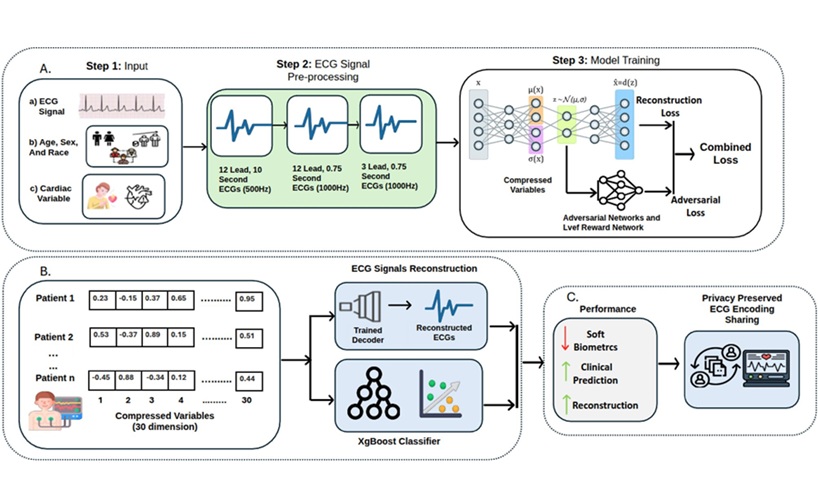
Privacy-Preserving AI Protects Sensitive Information in ECG Data
Artificial intelligence applied to electrocardiography can extract more than cardiac rhythm. Algorithms can infer age, sex, race, and even identity from electrocardiogram (ECG) signals, creating privacy... Read more
New AI ECG Tool Detects Early Heart Disease
Heart disease remains a leading cause of premature death, claiming almost 18 million lives each year. Early detection is crucial because timely intervention can change prognosis and conserve resources.... Read more

Critical Care
view channel
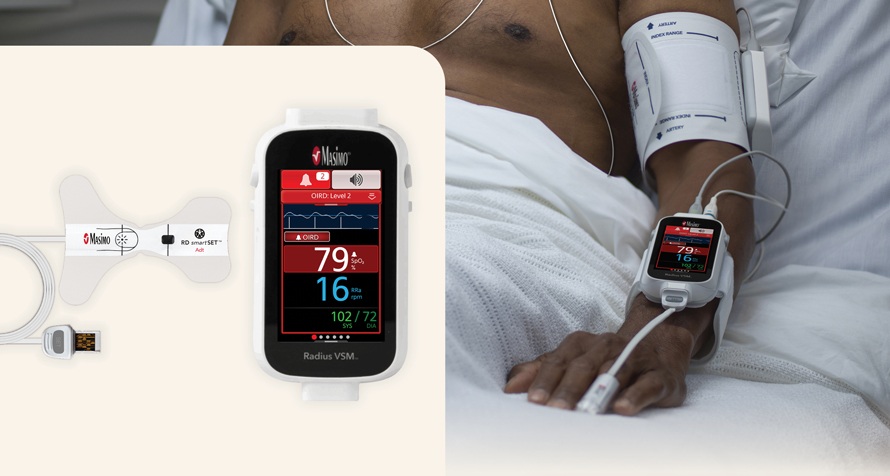
FDA-Cleared AI Wearable Monitor Detects Opioid-Related Respiratory Risk in Hospitals
Hospital patients receiving opioid therapy can develop respiratory compromise that is difficult to detect early. Continuous wearable monitoring with pattern-recognition capabilities can help clinicians... Read more

Surgical Techniques
view channel
AI Tool Predicts Surgical Scheduling Gaps to Improve OR Utilization
Operating room inefficiency strains hospital capacity, inflates costs, and contributes to clinician burnout. Accurate surgical scheduling remains difficult because case duration and perioperative logistics... Read more
Innovative Central Line System Reduces Steps and Procedure Time
Central line placement is routine in critical care and surgery, yet it typically involves multiple components and numerous handoffs. Each exchange can introduce contamination risk, procedural delays, and... Read more

Patient Care
view channel
AI Avatar Doctor Improves Patient Understanding Before Radiotherapy
Radiation oncology consultations require patients to grasp complex concepts quickly, yet anxiety and information overload often undermine understanding and informed consent. Poor comprehension can also... Read more
Wearable Sleep Data Predict Adherence to Pulmonary Rehabilitation
Chronic obstructive pulmonary disease (COPD) is a long-term lung disorder that makes breathing difficult and often disturbs sleep, reducing energy for daily activities. Limited engagement in pulmonary... Read more

Health IT
view channel
Digital Heart Model Supports Targeted Ablation in Atrial Fibrillation
Atrial fibrillation is an erratic, quivering heartbeat and a leading cause of stroke. Catheter ablation is widely used to interrupt arrhythmogenic tissue, yet many patients—especially with persistent ... Read more
AI Framework Helps Clinicians Create Trustworthy Risk Prediction Tools
Artificial intelligence (AI) is increasingly used to estimate risks for conditions such as sepsis, heart disease, and cancer, yet many models remain difficult for clinicians to interpret or trust.... Read more
Business
view channel
Danaher Completes Acquisition of Masimo to Expand Patient Monitoring Capabilities
Danaher Corporation (Washington, DC, USA) has completed its acquisition of Masimo Corporation (Irvine, CA, USA), a specialty diagnostics provider known for pulse oximetry and advanced patient monitoring... Read more